
Reviewed · HISTORICAL TOURS
Mexico City: Historical walking tour of Tenochtitlan
History gets under your feet here. This three-hour walk connects Aztec Tenochtitlan, Spanish Mexico, and modern Mexico City in one clear route through the Centro Histórico. I especially like the small groups, limited to 10 people, and the chance to learn from Prof. Cristina Ríos, a local guide with a PhD who explains history, art, architecture, and customs with real care.
I also like how much ground the tour covers without requiring museum tickets. You see major buildings, archaeological remains, murals, and lesser-noticed corners from the outside. The main consideration is that the route is fact-heavy and moves through busy downtown streets, so it suits adults and serious history fans better than young children or anyone seeking a light sightseeing stroll.
In This Review
- Key points to know before you book
- Why this walk helps make sense of Mexico City
- Starting at the Centro Cultural España and Templo Mayor
- Behind the Cathedral: colonial power beside an older city
- Cortés, Moctezuma, and the old Axayacatl Palace
- Iturbide Palace and Mexico’s changing identity
- San Francisco and the colonial street story
- Casa de los Azulejos and the Orozco mural
- Ending at Palacio de Bellas Artes
- How Prof. Cristina Ríos shapes the experience
- Price, pace, and practical value
- Optional sweets at Dulcería Celaya
- Who should book this Tenochtitlan walk?
- Should you book it?
- FAQ
- How long is the Mexico City Tenochtitlan walking tour?
- Where does the tour meet?
- Where does the tour finish?
- Does the tour enter the Templo Mayor Museum?
- Is the guide Prof. Cristina Ríos?
- What languages are available?
- Are entrance tickets included?
- Is food included?
- Are headsets provided?
- Is the tour suitable for children under 10?
Key points to know before you book
- Seven centuries in three hours: Follow the story from Tenochtitlan and the Mexica world through Spanish rule, independence, and later Mexican architecture.
- Prof. Cristina Ríos leads the walk: Her strongest subjects are pre-Hispanic history, colonial art, architecture, and the people connected to the city’s past.
- No museum admissions are included: You view Templo Mayor from outside and see several buildings externally, so plan extra time and money if you want to enter museums afterward.
- Small groups keep the discussion personal: Groups range from three to 10 people, with headsets provided when more than seven participants attend.
- A useful first-day activity: The route gives you a strong map of central Mexico City and ends at Palacio de Bellas Artes, where you can continue exploring on your own.
- Comfortable shoes matter: This is a three-hour urban walk with outdoor stops, sun exposure, and plenty of standing.
Why this walk helps make sense of Mexico City
Mexico City can feel like several cities placed on top of one another. That is not just a poetic way to describe it. The modern center occupies the area of the former Mexica capital, and later buildings were built around, over, and beside earlier sites.
This tour gives you a timeline for reading the streets. You begin with Tenochtitlan, move through the Spanish conquest and colonial period, then reach the nineteenth and twentieth centuries. Without that framework, the Centro Histórico can become a parade of handsome facades. With it, each stop has a reason.
Prof. Cristina Ríos is the main reason to choose this experience over a basic orientation walk. She explains details that are easy to miss, including the relationship between archaeology, religion, politics, and architecture. Several people praised her ability to answer questions, adjust the pace, and recommend additional places to visit or books to read.
I would not choose this tour if you want a quick photo walk with only a few facts. Ríos teaches in detail. That is its strength, but it also means you need to enjoy listening and thinking while you walk.
More History Tours in Mexico City
- Historic Downtown Walking Tour
★ 5.0 · 1,289 reviews - Historic Center Food Tour in Mexico City
★ 5.0 · 1,263 reviews - Mexico City: Historic Downtown Walking Tour
★ 4.8 · 1,039 reviews
Starting at the Centro Cultural España and Templo Mayor
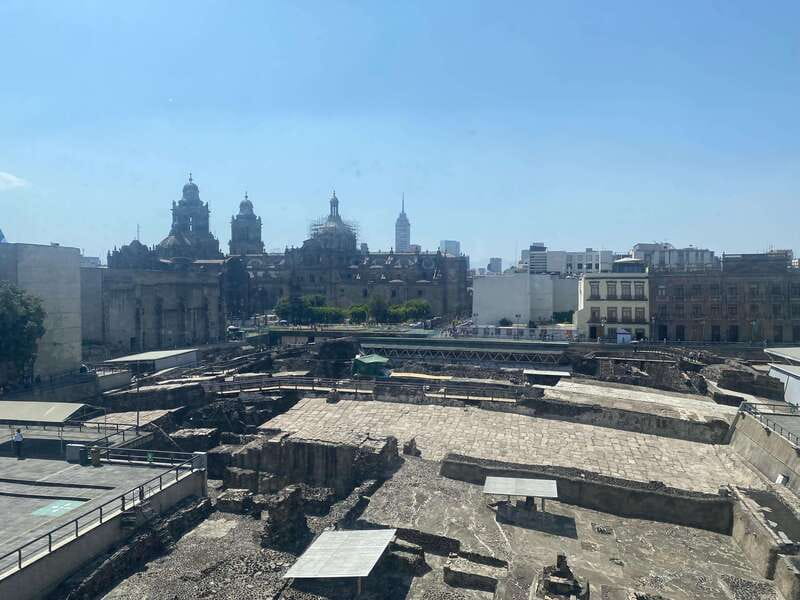
The meeting point is the entrance to the Centro Cultural España at Guatemala 18. The opening discussion uses models and the view of the Templo Mayor archaeological zone to explain the city before the Spanish conquest.
You do not enter the Templo Mayor Museum or the archaeological zone during this tour. Instead, you study the site from outside and receive an explanation of what you are seeing. This keeps the tour moving and avoids adding an admission fee, but you should leave time for a separate visit if the excavations and museum are a priority.
The Templo Mayor stop lasts about 40 minutes, making it the longest early stop. That is sensible. You need time to understand the scale of the former capital and how the remains fit into present-day Mexico City.
For me, this is where the tour earns its name. Tenochtitlan is not treated as a distant preface before the colonial buildings. It forms the base of the entire story. You begin to see the center as a place shaped by successive layers, not simply as a colonial district.
Behind the Cathedral: colonial power beside an older city
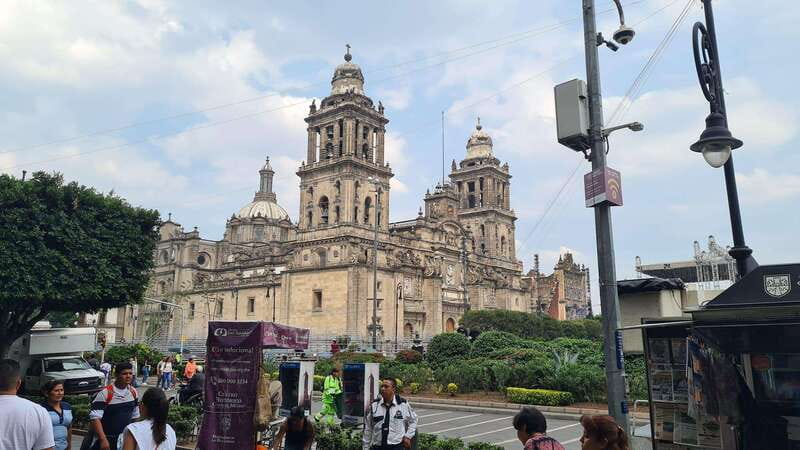
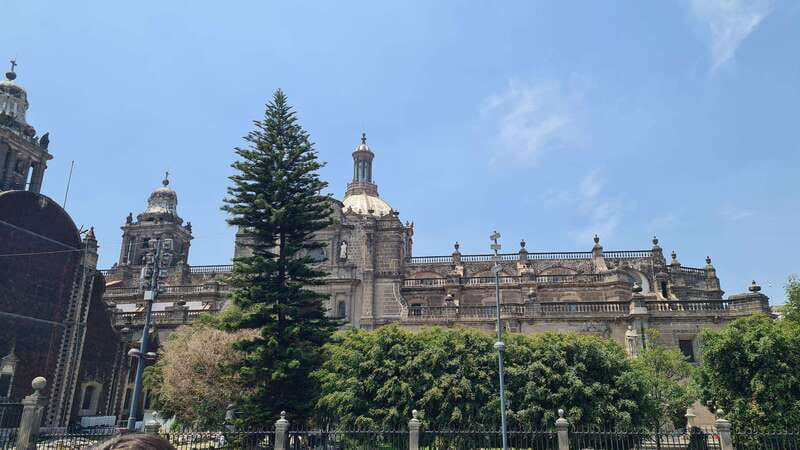
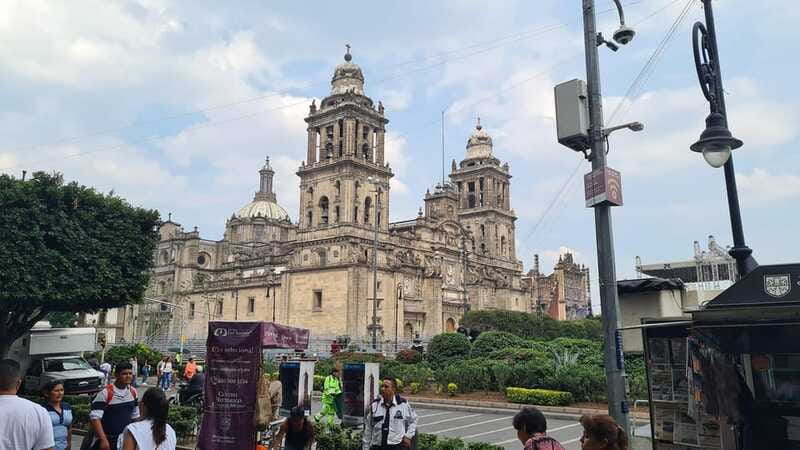
The walk continues toward Catedral Metropolitana, with about 20 minutes devoted to the cathedral area. The route includes the space behind the cathedral and the Animas del Purgatorio, along with discussion of the former Mexica and Spanish presence in this part of town.
This stop works best when you pay attention to contrast. The cathedral is one of the most imposing buildings in the center, yet the tour keeps bringing you back to what existed before it. Ríos explains how religious and political power took physical form in the city.
You will also hear about the Calmecac site at the Centro Cultural España. The Calmecac was connected with education for the Mexica elite, and the site museum helps connect the archaeological past with the cultural institutions of today. The tour does not turn this into a long museum visit, but it gives you a useful reason to return and look more closely.
The information here is not limited to dates and names. Ríos links buildings to customs, education, conquest, and changing ideas of authority. That broader approach was one of the most praised features of the experience.
Cortés, Moctezuma, and the old Axayacatl Palace
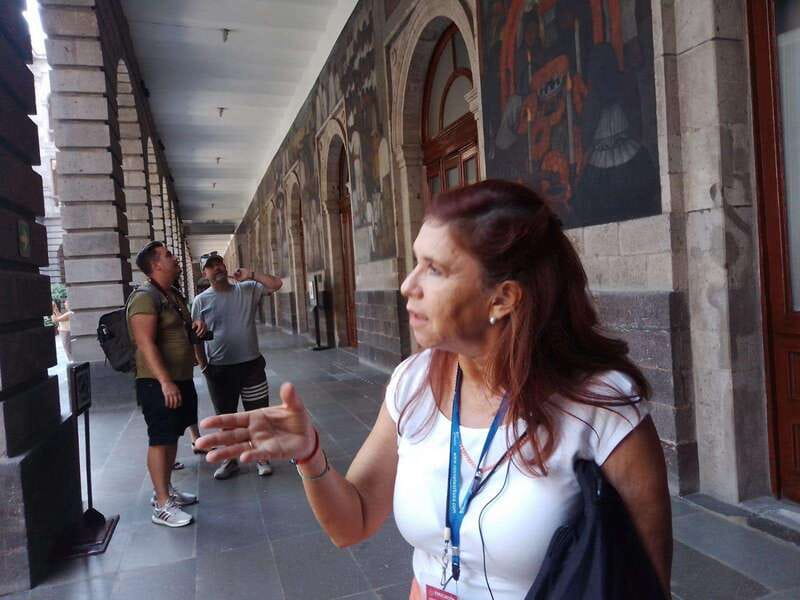
The next part of the route examines Cortés’s lodgings at the old Axayacatl Palace, also associated with the former houses of Moctezuma.
This is a powerful stop because the location brings the Spanish conquest into a specific physical setting. Instead of treating Hernán Cortés and Moctezuma as distant textbook figures, the guide explains how their stories connect to the buildings beneath and around you.
The route may also include an additional look at Cortés’s tomb when time and access allow. One person specifically valued being taken off the main route to see it. This is a good example of why a small group helps. Ríos can respond to questions and interests instead of delivering exactly the same script at exactly the same speed.
Still, do not expect every side stop to be guaranteed on every departure. The core route is clear, while extra details can depend on timing, conditions, or the group’s questions.
More Walking Tours in Mexico City
- Frida Kahlo VIP [Museum Tickets Included] Walk, Markets & Churros
★ 5.0 · 982 reviews - Walking Tour of the Historic Center of Mexico City
★ 5.0 · 870 reviews - Anthropology Museum Private Experience Walking Tour
★ 5.0 · 355 reviews - Walking Tour in Mexico City for Exploring their Cultural Heritage
★ 5.0 · 245 reviews
Iturbide Palace and Mexico’s changing identity
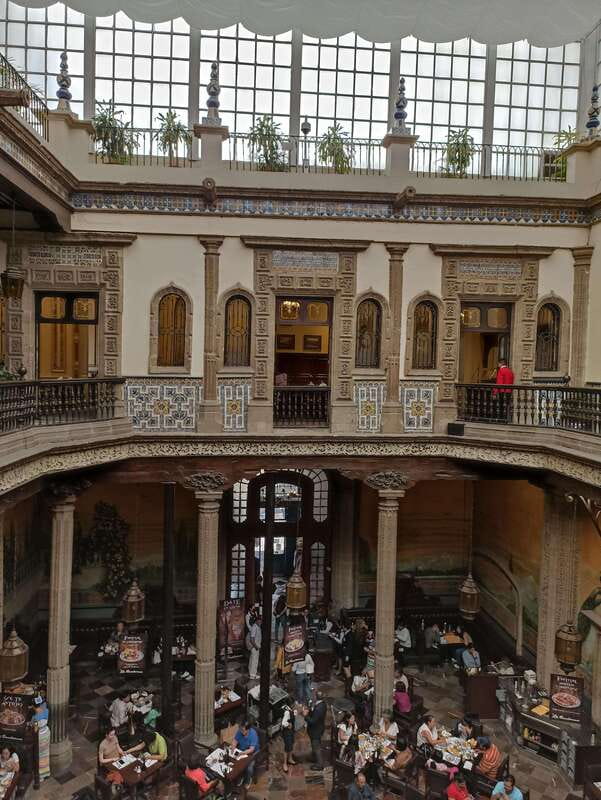
The Banamex Culture Palace, commonly known as Iturbide Palace, receives about 20 minutes. Its architecture gives Ríos a way to discuss the colonial period and later Mexican political identity.
This stop is especially useful if you enjoy buildings as historical evidence. A facade can tell you who had money, who held power, and what styles were considered important at a particular moment. Ríos is well suited to this kind of explanation because her background covers both history and architecture.
The site is viewed as part of the walking route rather than treated as a full interior museum visit. If you want a longer look at the building and its exhibitions, check whether you need separate admission and return after the tour.
I like this portion because it prevents the walk from becoming only an Aztec and conquest story. Mexico City’s past did not stop when Tenochtitlan fell. The city continued to change, and the buildings reflect those shifts.
San Francisco and the colonial street story
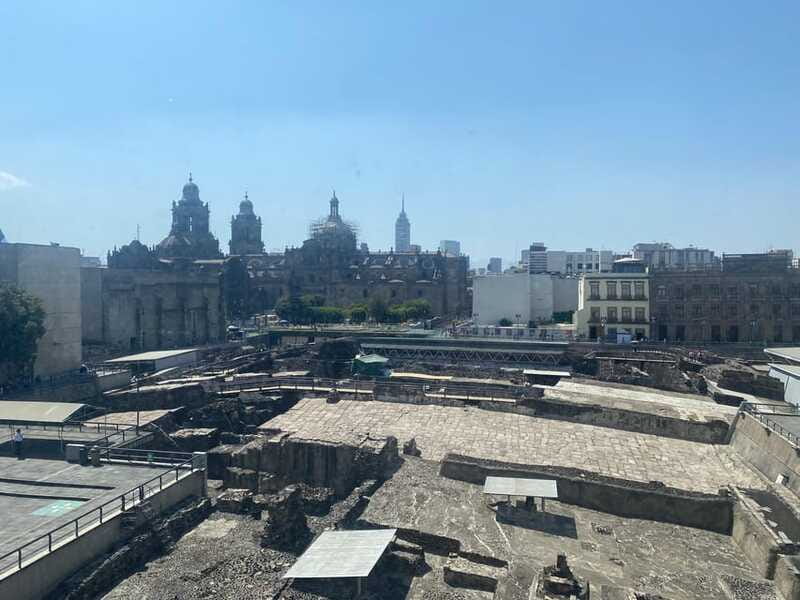
The Church of San Francisco is another short stop, focused on the facade. You will not spend a long period inside, but the exterior supports the discussion of colonial religious architecture and the institutions that shaped the city.
This is a recurring feature of the tour: the guide turns an outside view into a lesson. That keeps the price moderate and allows the group to cover more ground, but it also means you should not confuse this experience with a series of full museum or church entries.
If you walk the center on your own later, you will have a better idea of what to inspect. Look beyond the most famous building and consider the street plan, the facade, the materials, and the relationship between one structure and the next. Ríos repeatedly helps you ask those questions.
Casa de los Azulejos and the Orozco mural
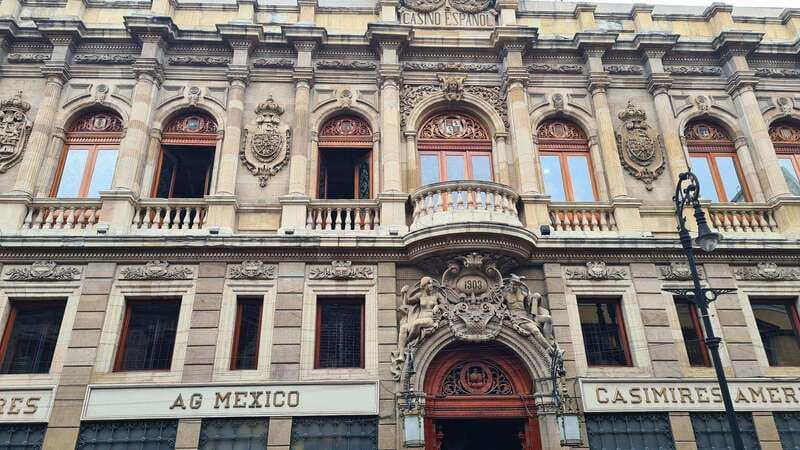
Casa de los Azulejos is one of the most rewarding stops on the route. The tour examines the outside of the tiled building and then includes a look inside at José Clemente Orozco’s mural, with a detailed explanation.
This is where the tour moves from grand historical events to visual interpretation. The building is memorable for its blue and white tilework, but the mural adds a twentieth-century political and artistic voice. Ríos explains what you are looking at rather than simply pointing out the artist’s name.
The stop lasts about 30 minutes, giving the group time to discuss both the building and the mural. If you like Mexican art history, this may be one of the tour’s best sections. One participant described the walk as especially strong on art history and architecture, and that fits this part of the route.
You should also note that the tour is not built around long indoor visits. The Casa de los Azulejos stop is a welcome exception, but you may still want to return later if you prefer to study the building at your own pace.
Ending at Palacio de Bellas Artes
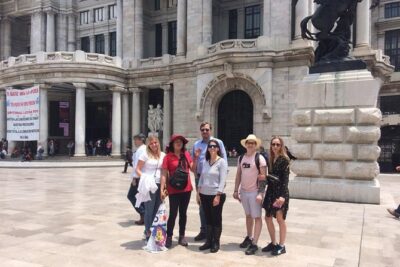
The route finishes at Palacio de Bellas Artes after a pass-by of the building that lasts about 30 minutes in the scheduled itinerary. The tour does not function as a full Bellas Artes museum visit, so treat the ending as an introduction.
That is a practical design. You finish near one of Mexico City’s major cultural centers, with the rest of your day still open. You can arrange your own visit to Bellas Artes afterward, or use Ríos’s recommendations to continue through the Centro Histórico.
Several people appreciated receiving suggestions for additional sights, places to eat, and further reading. One guide even helped a participant find a restaurant after the tour ended. These small touches make the walk more useful than a fixed list of monuments.
The endpoint also gives you a clear place to continue exploring. You are not dropped back at the starting point or left in an unfamiliar neighborhood.
How Prof. Cristina Ríos shapes the experience
The praise for Prof. Ríos is unusually consistent. People value her command of Aztec history, Spanish colonization, Mexican independence, architecture, art, and local customs. Just as important, they describe her as kind, patient, energetic, and willing to answer questions.
That combination matters. A guide can recite facts and still leave you lost. Ríos’s strength is building a connected story. She explains how ruins, murals, churches, palaces, and public spaces relate to one another.
Her English is described as clear and easy to follow. She also leads in Spanish, so check the departure language when booking. In noisy parts of downtown, audio equipment helps keep her voice audible. Headsets are provided when the group has more than seven people, while smaller groups may not need them.
The small-group limit of 10 makes it easier to ask questions. If you are the only participant or part of a very small group, the route can be adjusted to your interests. That flexibility is one of the better reasons to pay for this tour instead of joining a large, general city walk.
Price, pace, and practical value
At $43 per person, this is not the cheapest way to walk around central Mexico City. It can still be good value if you want a serious guide and a connected explanation of the city rather than a basic list of landmarks.
The price includes the specialized guide, detailed explanations, and audio equipment when needed. It does not include food, drinks, hotel transfers, or entrance tickets. Since several stops are viewed from outside, you should budget separately for any museums or interiors you decide to visit afterward.
The three-hour length is well chosen for the amount of ground covered. The walk is dense with information, but the pace has been described as comfortable, with opportunities for water and bathroom breaks. Wear comfortable shoes, bring sun protection, and carry a hat or sunglasses. Mexico City’s altitude and strong sun can make a normal city walk feel more demanding than expected.
The route is listed as wheelchair accessible. Still, the tour takes place on downtown streets and includes outdoor stops, so you should confirm any specific mobility needs before booking.
Children under 10 are not considered suitable for this experience. I would recommend it most for adults, older children who enjoy history, architecture-minded visitors, and anyone starting a first stay in Mexico City.
Optional sweets at Dulcería Celaya
Traditional Mexican sweets at Dulcería Celaya can be added as an optional part of the experience. The shop is a long-running Mexico City institution and gives the walking tour a small taste of everyday food culture.
Because food is not included, plan to pay separately if you choose this option. It is a pleasant add-on, but the main value of the tour comes from the guide and the historical interpretation, not from the snack.
If you prefer to keep moving, you can skip the sweets and use the time after the tour for lunch or another museum. Ríos is also a useful source for local food suggestions.
Who should book this Tenochtitlan walk?
You should book if you want to understand how the present city grew from Tenochtitlan, and if you enjoy a guide who explains the reasons behind what you see. It is particularly strong for people interested in Aztec history, colonial architecture, Mexican art, and the political story of the capital.
It is also a smart first-day activity. You will finish with a clearer sense of direction and a list of places to revisit, including Templo Mayor, Casa de los Azulejos, and Palacio de Bellas Artes.
You may want a different tour if you prefer entering every major attraction, taking frequent photographs, or listening to only a few short facts. This is a teaching-focused walk. At times, the amount of information may feel heavy, especially if you have little interest in architectural styles.
The tour accepts cancellations up to 24 hours before departure for a full refund, and you can reserve now and pay later. Those policies make it easier to fit the walk into a changing Mexico City schedule.
Should you book it?
Book this tour if history is a major reason you are visiting Mexico City. Prof. Cristina Ríos brings unusual depth to the route, and the small group makes it easier to ask questions and adjust the conversation.
For the best experience, schedule it early in your stay, wear comfortable shoes, and reserve extra time afterward for the Templo Mayor Museum and Palacio de Bellas Artes. Skip it only if you want a mostly visual stroll or need a tour built around full interior visits.
FAQ
How long is the Mexico City Tenochtitlan walking tour?
The tour lasts three hours.
Where does the tour meet?
The group meets at the entrance of the Centro Cultural España at Guatemala 18.
Where does the tour finish?
The tour finishes at Palacio de Bellas Artes.
Does the tour enter the Templo Mayor Museum?
No. You view the Templo Mayor models and the archaeological zone from outside. Museum admission is not included.
Is the guide Prof. Cristina Ríos?
The listed guide is Prof. Cristina Ríos, who has a PhD and leads the tour in English or Spanish.
What languages are available?
The tour is available in English and Spanish.
Are entrance tickets included?
No. Tickets are not included, so you pay separately for museums or other attractions you choose to enter.
Is food included?
No. Food and drinks are not included. Traditional sweets at Dulcería Celaya are an optional purchase.
Are headsets provided?
Headsets and audio equipment are provided when the group is larger than seven people.
Is the tour suitable for children under 10?
No. The experience is not considered suitable for children under 10.
More Guided Walks
- Muralist Art Semi Private Walking Tour in Mexico City Downtown
★ 5.0 · 188 reviews - Coyoacán Walking Tour: Access to Frida Kahlo Museum & Tacos
★ 5.0 · 181 reviews - Mexico City: Lucha Libre Show, Walking Tour & Tequila
★ 4.6 · 156 reviews - Teotihuacan Hot Air Balloon Ride with Optional Bike or Walking Tour
★ 5.0 · 144 reviews
More Ruins and Heritage Sites
- Mexico City Historical Centre Food Tour with 7 Authentic Tastings
★ 5.0 · 723 reviews - Walking Tour – Impressive murals in Historical Center of Mexico City
★ 5.0 · 224 reviews - Mexico City: Guided walking tour through the most historic parts of the city.
★ 4.5 · 172 reviews - Private Walking Tour Gems of the Historic Center of Mexico City
★ 5.0 · 87 reviews
Just added around Mexico City
- Neon Bike Party – Private Bike Tour★ 4.5 · 34 reviews
- Private Tour with Archaeologist and VR Experience at Teotihuacan★ 5.0 · 34 reviews
- Mexico City: Full-Day Taxco and Cuernavaca Tour★ 4.1 · 34 reviews
- Food and Historic Walking Tour: Private Tortilla Crawl in Mexico City Downtown★ 5.0 · 35 reviews
- Guided tour EN Teotihuacan – Breakfast EN cave-round transport★ 5.0 · 35 reviews
- Xochimilco, Coyoacan and Frida Kahlo Museum Tour★ 3.5 · 35 reviews
- Xochimilco: amanecer en kayak Ciudad de México★ 5.0 · 35 reviews
- Full-Day Private Tour of Mexico City: Teotihuacan and Xochimilco★ 5.0 · 35 reviews
Historical Tours, compared.

Mexico City Historical Centre Food Tour with 7 Authentic Tastings
Read our review →
Historical and Cultural Walking Tour of San Miguel de Allende
Read our review →
Historical and Cultural Walking Tour of San José del Cabo
Read our review →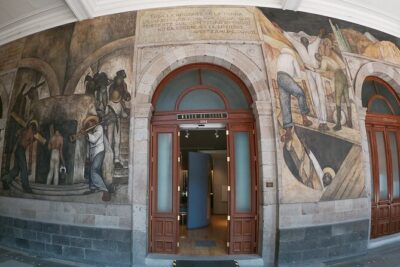
Walking Tour in Mexico City for Exploring their Cultural Heritage
Read our review →Browse the lists this tour appears in