
Reviewed · CITY TOURS
Turibus Hop On Hop Off Mexico City Tour
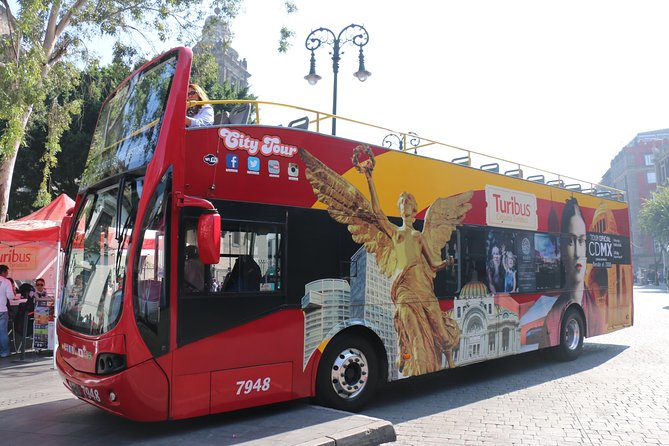
Mexico City rewards a broad first look. The Turibus makes that easy by linking the city’s main districts on four themed routes, with open-top views, digital commentary, and the freedom to get off when something catches your eye. I especially like the chance to build your own day instead of following a fixed group schedule, and the included coupon booklet adds a little extra value for local activities.
The main drawback is reliability. Traffic, events, demonstrations, street closures, and changing operating plans can affect routes and bus frequency. At present, the service notice says only the Historical Center Route operates from 9 a.m. to 7 p.m. until further notice, so you should confirm which routes are running before you depend on this bus for a full day of sightseeing.
In This Review
- Key points to know before boarding
- What the Turibus experience is really like
- Historical Center Route, from Reforma to the Zócalo
- Polanco Route, with museums and Avenida Presidente Masaryk
- South Route, from Roma to Coyoacán
- Basilica Route, with Garibaldi and Tlatelolco
- Audio commentary, seating, and the coupon booklet
- Timing, route changes, and practical value
- Who should book this Mexico City bus tour?
- Final verdict: book it for orientation, not precision
- FAQ
- How long does the Turibus Mexico City tour last?
- Which routes are included?
- Is the audio commentary available in English?
- Can I sit on the open top of the bus?
- Does the tour include food or drinks?
- What happens if the Basilica Route cannot reach the Basilica?
- Can I cancel for a full refund?
Key points to know before boarding
- Four city themes: Choose among the Historical Center, Polanco, South, and Basilica routes when they are operating.
- One ticket covers the network: Your ticket includes transportation between the listed stops on all routes.
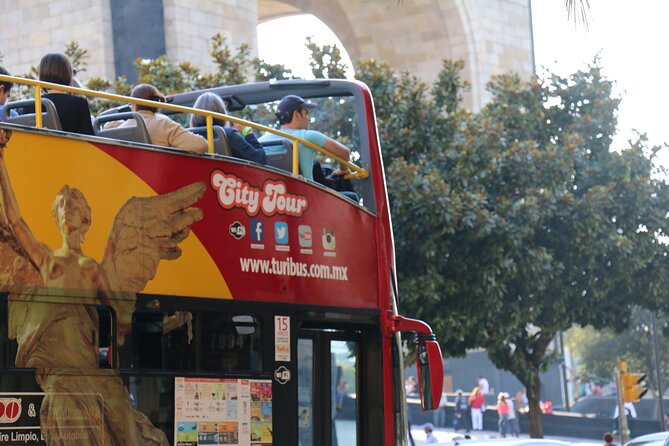
- Open air or air-conditioned seating: Sit on the upper deck for views or below for shelter and cooler air.
- Commentary in your language: Headphones connect you to a multilingual digital audio system.
- Sunday route changes: From 8 a.m. to 2 p.m., Ciclotón street closures can force buses onto alternate roads.
- Flexible stopping: You may finish at any stop, but bus delays and reduced frequency can affect how much you see.
What the Turibus experience is really like
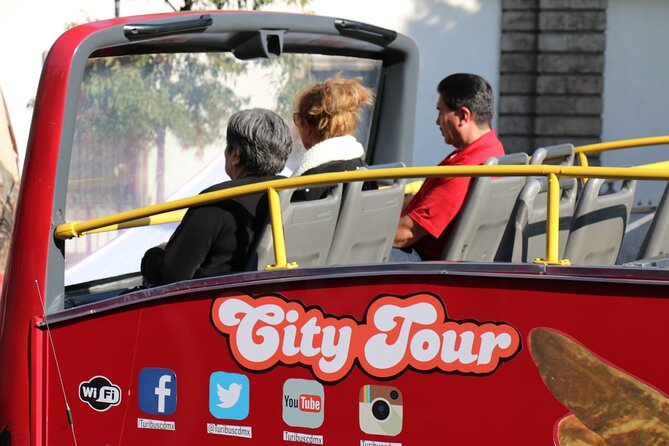
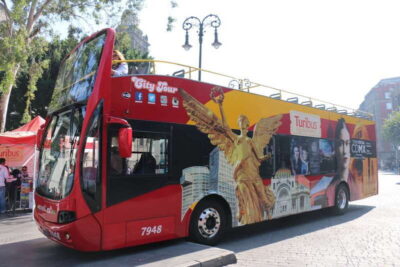
The basic idea is simple. Show your voucher at a Turibus stop, board, take the supplied headphones, and listen as the bus passes museums, monuments, shopping districts, and university sights. You can stay aboard for a city overview or get off at a stop and wait for a later bus.
The ride itself takes about three hours if you remain aboard, but the ticket is designed for more than a single circuit. Depending on the option selected when booking, it may be offered for one or two days. Another operating note says tickets are valid for one operating day, so check the exact validity attached to your booking rather than assuming a two-day ticket.
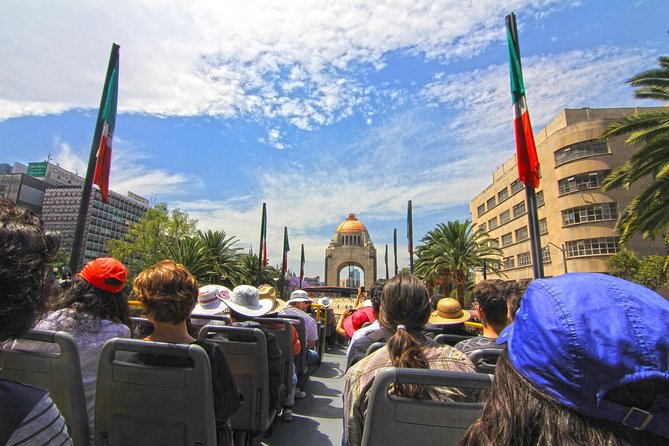
You have two seating choices. The open upper deck gives you better views and a clearer sense of the city’s scale. The lower level is air-conditioned and more practical in strong sun or poor weather. Headphones are supplied at the ticket office, and the digital commentary is available in multiple languages, including English.
This is not a guided walking tour. You will not have a guide beside you explaining every building or answering questions. The benefit is freedom. You can pause near the Zócalo, continue through Reforma, or use the bus simply to connect districts that would otherwise require several taxi rides or public transit changes.
More hop-on hop-off passes:
- Mexico City: Hop-on Hop-off Bus Tour
★ 4.0 · 1,043 reviews - Mexico City: Hop-on Hop-off City Tour by Turibus 1-Day Pass
★ 4.1 · 691 reviews - Mexico City: Hop-On Hop-Off Bus City Tour
★ 3.9 · 183 reviews
Historical Center Route, from Reforma to the Zócalo
The Historical Center Route gives you the most useful first ride if you have only a short time in Mexico City. It links major sights along Paseo de la Reforma with the city center, and its stops are close to several museums, plazas, and landmarks.
The route begins at Auditorio Nacional, one of the city’s major cultural venues. It is also a practical starting point for the Reforma corridor. From there, the bus moves to the Museo de Arte Moderno, a useful stop if you want modern Mexican art and a quieter museum break.
Next comes La Condesa, known for its cafés, restaurants, and leafy streets. The bus stop is useful for a pause between museums, though you should allow enough time for the next bus since frequency may change. Fuente de Cibeles offers another look at the Condesa and Roma area, with Mercado Roma nearby on the South Route.
The bus then passes Casa Lamm, a cultural center in the Roma area. This is a good stop if you prefer smaller cultural spaces and neighborhood streets to large national museums. From here, the route reaches the Angel of Independence, Mexico City’s best-known monument on Reforma.
The Angel area is one of the strongest places to get off and walk a little. It also appears on another Reforma route, so check the route color or signage before boarding again. Reforma 222 adds a modern shopping and commercial stop, while the Museo de Cera offers a lighter, family-friendly break.
Further along, Monument to Cuauhtémoc gives the route another major Reforma landmark. The bus then continues toward Avenida Juárez, where you are closer to the Historic Center and several important public spaces.
The Zócalo is the key stop. Mexico City’s main square is a sensible place to leave the bus and explore on foot. You can then continue to Plaza Manuel Tolsá, home to a well-known public square and the nearby Franz Mayer Museum. The Museo Franz Mayer stop suits anyone interested in decorative arts and design.
The route also includes Plaza de la República, Museo San Carlos, and Reforma L1. Plaza de la República is associated with the Monument to the Revolution, while Museo San Carlos provides another museum option away from the busiest center. The route returns to the Angel area and continues toward Paseo de la Reforma at Río de la Plata and the Museo Nacional de Antropología.
The Anthropology Museum is one of the most valuable stops on the entire network. It deserves far more time than a quick hop off, so plan it as a main stop rather than a casual interruption. If you want to see it properly, keep your schedule loose and do not assume the next bus will arrive immediately.
One important warning: the current service note says the Turibus is operating only the Historical Downtown Route from 9 a.m. to 7 p.m. until further notice. That may limit access to the full network, even though the ticket description includes all four routes. Confirm the operating plan before booking if your main goal is Polanco, Coyoacán, or the Basilica.
Polanco Route, with museums and Avenida Presidente Masaryk
The Polanco Route begins at Auditorio Nacional and heads through one of Mexico City’s more polished districts. The first stop, Auditorio, Bicigratis, connects with the bike-share area, while Calle Arquímedes places you near Polanco’s streets and dining areas.
Avenida Presidente Masaryk is the shopping-focused stop. It is useful if you want restaurants, boutiques, and a more modern side of the city. The route continues to Antara, a major shopping center, then to the Museo Soumaya.
Museo Soumaya is one of the route’s main reasons to ride. Its distinctive building and substantial art collection make it a strong museum stop, and the bus removes some of the hassle of arranging separate transport between the Historic Center and Polanco. Since the tour does not include museum admission, plan for that as a separate visit.
The route continues to Hipódromo de las Américas and Papalote Museo del Niño. The former is a major racing venue, while Papalote is aimed at children and families. These stops make the route more useful for mixed-age groups, though the route can feel less rewarding if your main interest is colonial architecture and central plazas.
The Polanco circuit is also a good example of the tour’s limits. The bus can show you the relationship between districts, but it cannot give each one enough time. If you get off at both Museo Soumaya and Papalote, you may spend much of the day waiting, walking, and visiting rather than riding. That is not a flaw if you plan for it. It is a problem only if you expect to cover every stop.
South Route, from Roma to Coyoacán
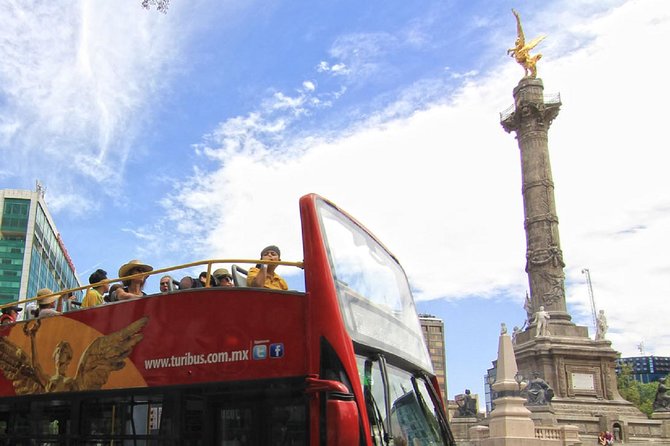
The South Route starts at Fuente de Cibeles, making it especially convenient if you are already in Roma or Condesa. It proceeds to Mercado Roma, a food-market stop that gives you a chance to pause for a meal, since lunch and drinks are not included in the tour.
The route then reaches the World Trade Center Mexico City and the Monumental Plaza de Toros México. These are useful city markers, but they are less likely to be short sightseeing stops than the museums and plazas found elsewhere.
At Avenida de la Paz, the route begins moving toward the southern districts. It continues to Estadio Olímpico Universitario, Perisur, and Avenida Centro Comercial. These stops show a more spread-out part of the city, and the bus is helpful here because distances between sights are longer.
The cultural heart of this route comes later. Mercado de flores San Ángel is a natural stop for anyone interested in local flower markets and neighborhood life. The route continues to Tlalpa Linares María Isabel, Universum, and University City.
Universum is a science museum, while University City and the Rectoría de la UNAM bring you to the National Autonomous University of Mexico campus. These stops suit you if you want a side of Mexico City beyond central monuments and major shopping districts. The route gives you a way to reach the university area without arranging separate transportation.
The bus then passes the Alfredo Guati Rojo National Watercolor Museum, followed by Coyoacán, Frida Kahlo Museum, and Aguayo. Coyoacán is one of the most appealing places to leave the bus and walk. The Frida Kahlo Museum is the major draw, but museum entry is not included, and you should treat it as a separate timed visit if you plan to go inside.
The South Route offers the most varied day, but it also demands the most patience. The stops are spread across a large part of the city, and traffic can make the circuit slow. I would use this route for one or two priority stops, not attempt every attraction in one ride.
A few more reviews worth comparing before you book
- Teotihuacan, Guadalupe Shrine & Tlatelolco Day Tour with Lunch
★ 5.0 · 11,603 reviews - Xochimilco, Coyoacan and Frida Kahlo with Optional Lunch
★ 4.5 · 7,320 reviews - Balloon flight + Breakfast in cave + Pyramids + Pick up CDMX.
★ 5.0 · 6,335 reviews - Teotihuacan pyramids morning or afternoon without tourist traps
★ 5.0 · 6,186 reviews
Basilica Route, with Garibaldi and Tlatelolco
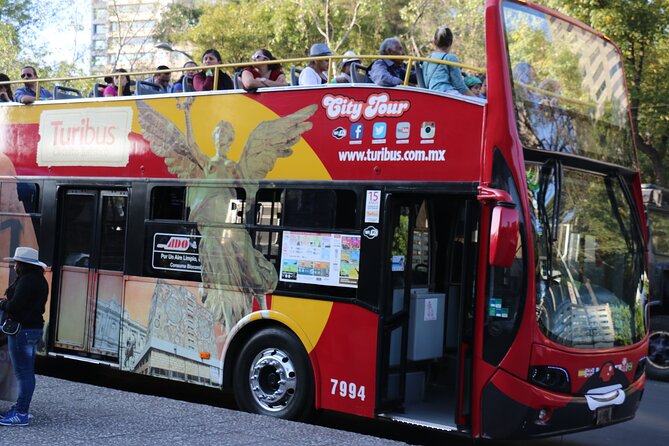
The Basilica Route begins at the Zócalo, then heads to Garibaldi Plaza. Garibaldi is closely associated with mariachi music and offers a very different atmosphere from the formal center. It can be an interesting short stop, though the bus timetable matters if you do not want to wait a long time for the next departure.
The route continues to Tlatelolco, an important archaeological and historical area. This is one of the route’s more meaningful stops, and it adds context that you will not get from a simple loop around Reforma.
Next comes the Basilica, the main reason to choose this route. The service note includes a clear contingency: if the bus cannot reach the Basilica for reasons beyond the operator’s control, the route will go to Plaza de las Tres Culturas instead. That alternate stop is also at Tlatelolco, so check the day’s route conditions if visiting the Basilica is essential.
The final listed stop is the Turibus stop at the Palace of the Counts of Miravalle. This route is shorter than the South circuit, but closures and city events can still affect the ride. It makes the most sense when you want to combine the Zócalo with Garibaldi, Tlatelolco, and the Basilica without arranging several separate journeys.
Audio commentary, seating, and the coupon booklet
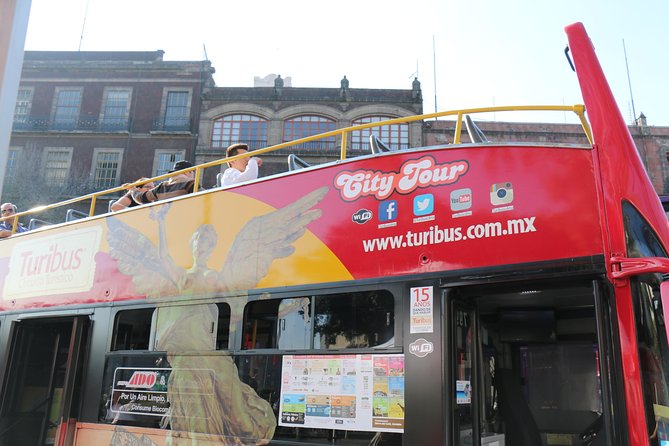
The digital audio system is a practical feature, especially if you do not speak Spanish. You receive headphones at the ticket office and can follow commentary about sights along the route in your selected language. It gives the ride structure, though it is still recorded commentary rather than personal guiding.
I like the choice between the upper and lower levels. The upper deck helps you see monuments and major avenues without a window in the way. The lower air-conditioned level is the better choice when the weather turns uncomfortable, and it is also a calmer place to listen.
The Mexico City coupon booklet is included with the ticket, along with a Mexico City Tour Stops guide. The discounts can improve the ticket’s value if you use them, but I would not book the tour for the booklet alone. Its worth depends on which local experiences interest you and whether the discounts apply to places you already planned to visit.
Timing, route changes, and practical value
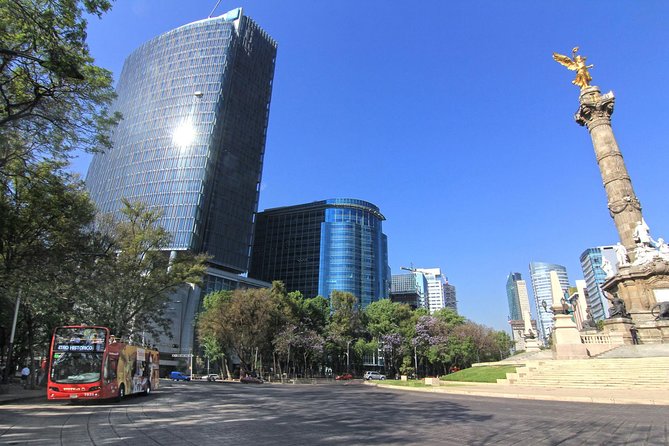
The tour is listed at about three hours, but that figure describes the ride more than a full sightseeing day. Once you get off at museums, markets, plazas, or neighborhoods, the schedule becomes much longer.
Bus frequency and routes can change without prior notice because of traffic, public celebrations, demonstrations, street closures, and safety measures. Sundays bring a known complication: from 8 a.m. to 2 p.m., Ciclotón closes some streets, and buses use alternate roads on certain routes.
The most important value question is not simply how much the ticket costs. It is how many separate journeys you would otherwise pay for and how much you value a simple overview. The ticket is more useful if you plan to ride several sections, use more than one route, and make at least a few stops. It is less useful if you stay on for one three-hour loop and do not use the coupon booklet.
The tour can also save mental energy. Mexico City is large, traffic is serious, and attractions are spread out. A bus route does not remove those problems, but it gives you a clear framework and avoids arranging a taxi each time you want to move from one district to another.
Still, do not treat the bus as a guaranteed timetable. Leave room in your day, especially if you have a timed museum entry or a flight to catch. If the current Historical Center-only schedule remains in effect, the ticket may not deliver the full network experience described here.
Who should book this Mexico City bus tour?
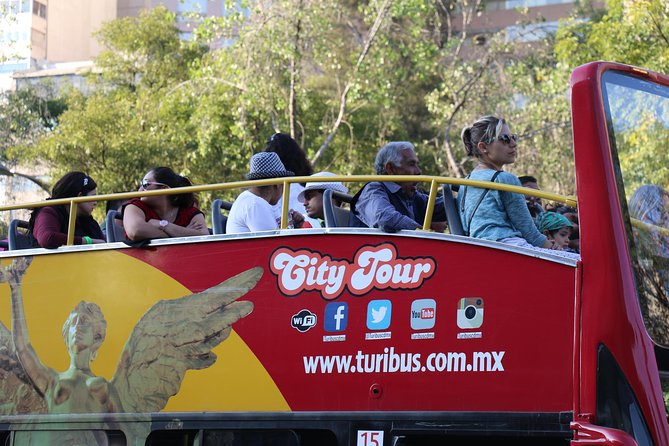
I would recommend it most strongly for a first visit, a short stay, families who want flexible transport, and anyone who wants to compare several parts of the city before choosing where to spend more time. It also suits you if public transit feels intimidating or if you prefer not to negotiate separate taxi rides.
The tour is less suitable if you want a specialist guide, fast point-to-point transport, or guaranteed access to every route. It also demands patience from anyone hoping to cover museums in Polanco, Coyoacán, the Anthropology Museum, and the Basilica all in one day.
The rating supplied for this experience is 3 out of 5 from 347 reviews, which fits the mixed practical picture. The concept is useful, the route coverage can be broad, and the open-top ride is a pleasant way to get oriented. But changing schedules, traffic, and the current limit to the Historical Center Route can reduce the value if you book with an ambitious plan.
Final verdict: book it for orientation, not precision
I would book the Turibus if I wanted an easy first look at Mexico City and was willing to adapt my plan. Choose one or two priority stops, use the audio commentary, and regard any extra stops as a bonus.
I would skip it if the full four-route network is essential and the current operating notice has not changed. Before paying, confirm whether Polanco, South, and Basilica buses are running, then choose the ticket duration carefully. Free cancellation is available when you cancel at least 24 hours before the experience, which gives you some protection if your plans change early enough.
FAQ
How long does the Turibus Mexico City tour last?
The sightseeing ride is approximately three hours if you remain on the bus. Hop-on hop-off use can extend your day because you may get off at stops and board a later bus.
Which routes are included?
The ticket includes the Historical Center, Polanco, South, and Basilica routes, with transportation between the listed stops. Current operating conditions may limit which routes are available.
Is the audio commentary available in English?
Yes. The tour includes a multilingual digital audio system, and English is one of the available languages.
Can I sit on the open top of the bus?
Yes. You may choose the open upper deck or the lower air-conditioned level.
Does the tour include food or drinks?
No. Lunch, beverages, and other services not specifically listed are not included.
What happens if the Basilica Route cannot reach the Basilica?
The route may go to Plaza de las Tres Culturas instead if the Basilica cannot be reached for reasons beyond the operator’s control.
Can I cancel for a full refund?
Yes, if you cancel at least 24 hours before the experience start time. Cancellations or changes made less than 24 hours before the start time are not accepted for a refund.
Just added around Mexico City
- Teotihuacan & Anthropology Museum, Templo Mayor & City Tour★ 4.5 · 109 reviews
- Mexico Private Food Tour With Locals Including 10 Tastings★ 4.5 · 109 reviews
- THE REAL CDMX: Under the skin of the city★ 5.0 · 111 reviews
- Mexico City: Mexican Folklore Ballet★ 4.5 · 111 reviews
- Teotihuacán plus Bike Tour★ 5.0 · 114 reviews
- Bike to taste the world’s best tacos – Mexico City★ 5.0 · 116 reviews
- EXCLUSIVE TOUR Chapultepec Castle – Small Groups★ 5.0 · 117 reviews
- Balloon flight with private transportation and guided tour to Teotihuacán★ 5.0 · 118 reviews
City Tours, compared.
Teotihuacan, Tlatelolco & Guadalupe Shrine Tour
Read our review →
Teotihuacan Hot Air Balloon Flight from Mexico City / Volare
Read our review →

The best tour to Teotihuacán from Mexico City
Read our review →
Browse the lists this tour appears in