

Reviewed · CITY TOURS
Mexico City: Hop-On Hop-Off Bus City Tour
See Mexico City from the open road. This $20 hop-on hop-off pass gives you a practical way to cover far-flung areas, from the Zócalo and Reforma to Coyoacán and UNAM. I like the three separate circuits and the freedom to get off when a neighborhood catches your eye. I also like that one ticket works for 24 hours from activation, rather than ending at midnight. The main caution is the audio system: one verified booking reported unstable WiFi, which made the English commentary impossible to hear.
This is a good first look at a city too large for a single walking route. You can use the bus for sightseeing, transport, or both. Still, the bus cannot replace time on foot in places such as Coyoacán, Roma, or the historic center, and Sunday’s Ciclotón can send buses onto alternate streets.
In This Review
- Key points at a glance
- Why this bus works in a city this large
- Finding the bus and getting started
- Green Circuit: Downtown, Reforma, Roma, Condesa, and Polanco
- Yellow Circuit: museums, temples, and Guadalupe
- Blue Circuit: Coyoacán, San Ángel, and UNAM
- The audio guide and the practical weak spot
- Building a smart one-day plan
- Who gets the most value from this ticket
- Cancellation, payment, and a simple booking tip
- Should you book this Mexico City bus tour?
- FAQ
- How much does the Mexico City Hop-On Hop-Off Bus City Tour cost?
- How long is the ticket valid?
- How many bus circuits are included?
- What does the Green Circuit visit?
- What does the Yellow Circuit visit?
- What does the Blue Circuit visit?
- Are headphones included?
- Is the bus wheelchair accessible?
Key points at a glance
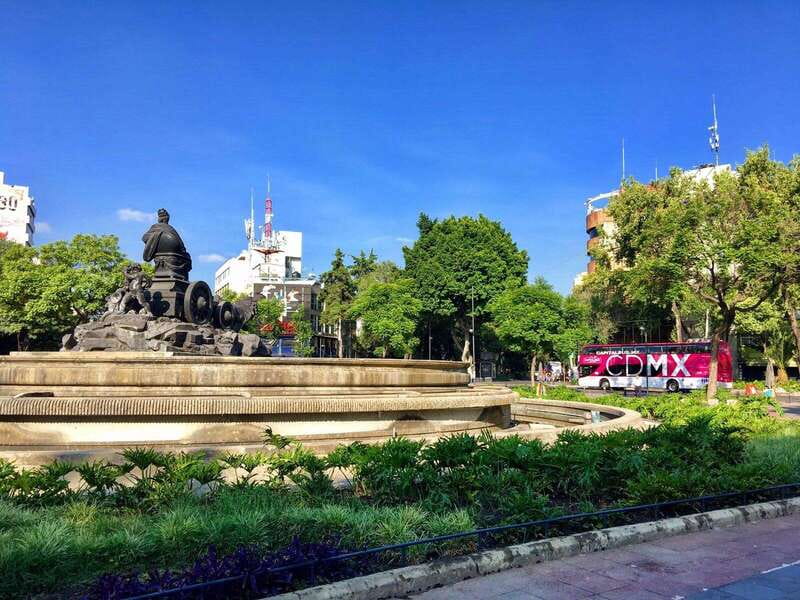
- Three routes cover very different Mexico City districts: Green serves Downtown, Reforma, Roma, Condesa, and Polanco; Yellow links Downtown with temples and the Basilica of Guadalupe; Blue reaches Coyoacán, San Ángel, and UNAM.
- The 24-hour ticket rewards early activation: Start in the morning if you want a serious chance to combine routes and make stops.
- Reforma is the best panoramic stretch: The Angel of Independence and Diana the Huntress give the Green route its most memorable views.
- Coyoacán adds the strongest neighborhood visit: The Blue route brings you near Frida Kahlo’s Blue House Museum and the parks of San Ángel.
- The onboard audio guide needs a backup plan: Headphones are not included, and unstable WiFi may affect the commentary.
- Sunday traffic changes the ride: From 08:00 to 14:00, Ciclotón road closures can push the buses onto alternate streets.
Why this bus works in a city this large

Mexico City is not a compact capital where you can stroll from one major sight to the next. The Zócalo, Polanco, Coyoacán, the Basilica of Guadalupe, and UNAM sit in different parts of the greater city. A taxi or ride-hailing service can connect them, but costs rise quickly and you miss the broad view from the road.
The bus offers a simpler plan. You get one ticket, three circuits, and the option to stay aboard for a city overview or step off for a closer look. I see the greatest value here as orientation. On your first day, the ride helps you understand how the central districts fit together before you choose where to spend more time.
The service costs $20 per person for one day. That is a fair price if you use several sections of the network, especially if you want to see both the historic center and the southern districts. It is less compelling if you only want the Zócalo and one nearby museum, since those areas are better explored on foot.
Your ticket is valid for 24 hours from first activation. That detail matters. If you begin late in the afternoon, you may get a scenic ride but little time to make useful stops. Start early, and you have more room to ride one circuit, pause in a neighborhood, and join another route later.
More hop-on hop-off passes:
- Mexico City: Hop-on Hop-off Bus Tour
★ 4.0 · 1,043 reviews - Mexico City: Hop-on Hop-off City Tour by Turibus 1-Day Pass
★ 4.1 · 691 reviews - Turibus Hop On Hop Off Mexico City Tour
★ 3.0 · 347 reviews
Finding the bus and getting started
At the meeting point, look for staff wearing pink vests. They validate your reservation, give directions, and exchange it for a bracelet. Arrive about 10 minutes early so this step does not eat into your sightseeing time.
Bring a passport or ID card, along with a sun hat and comfortable clothes. The bus operates rain or shine, so check the weather before you leave. Mexico City can bring strong sun, sudden rain, or both during one day, and the supplied information specifically says umbrellas are not allowed.
Food and drinks are not allowed on the bus. That makes planning simple but slightly less convenient on a long circuit. Have breakfast before you start, and plan your meal as a stop rather than expecting to snack during the ride.
The service is wheelchair accessible. Pets are not allowed, although assistance dogs are permitted. Hotel pickup and drop-off are not included, so you need to reach the meeting point on your own.
Green Circuit: Downtown, Reforma, Roma, Condesa, and Polanco

The Green route is the best choice for a broad first view of central Mexico City. It begins with the historic center and the Zócalo, then moves along Reforma before reaching the fashionable districts of Roma, Condesa, and Polanco.
The Zócalo is the symbolic heart of the capital. From the bus, you get a panoramic view rather than a close look at individual buildings. That is useful for orientation, but I would get off here if you want to examine the square, visit nearby historic sites, or walk the surrounding streets.
Reforma is the route’s great visual stretch. This major avenue is lined with imposing buildings and public monuments, including the Angel of Independence and Diana the Huntress. From the upper deck, you can take in the avenue’s scale without spending energy crossing its wide lanes.
The Angel of Independence is one of the city’s most recognizable markers. Diana the Huntress provides another strong photo point and helps break up the long avenue ride. The bus gives you the easy version of this sightseeing: sit back, watch the monuments pass, and decide which areas deserve a return visit.
Roma and Condesa offer a change in mood. The route passes through parts of two districts known for their streets, cafés, shops, and city life. The supplied details do not promise specific stops or included admissions there, so think of this section as a neighborhood overview. Get off when you want to walk, but allow enough time to catch the next bus or reconnect with the route.
Polanco gives the Green Circuit its polished northern end. You can use this section to compare the central districts with one of the city’s most fashionable areas. The bus is especially helpful here if you want to see the district without committing to a long walk from the historic center.
The drawback is pace. A panoramic ride can show you many places but cannot give each one enough time. I would not treat this circuit as a complete visit to Roma, Condesa, or Polanco. Use it to choose a district, then return on foot if you want a closer look.
Yellow Circuit: museums, temples, and Guadalupe
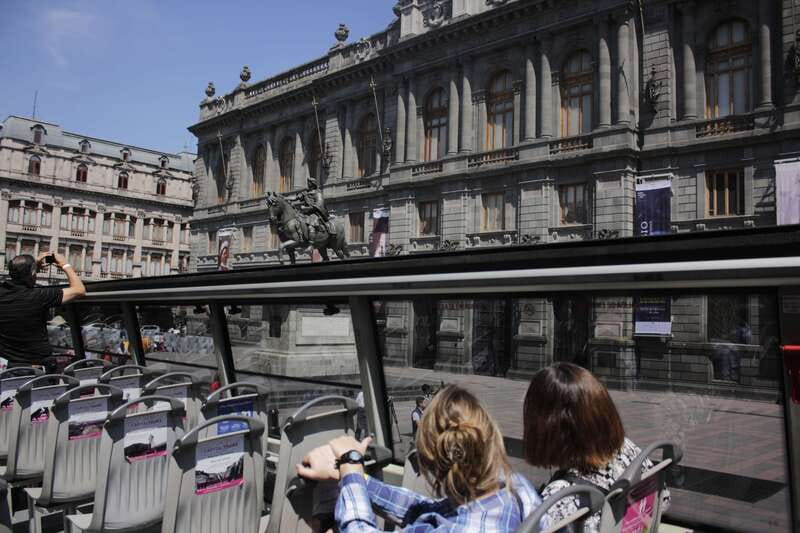
The Yellow route links Downtown with sites tied to Mexico’s art, faith, and public history. It includes the Franz Mayer Museum, the Basilica of Guadalupe, the Temple of San Judas Tadeo, and the Benito Juárez Hemicycle.
The Franz Mayer Museum gives the route an art and design angle. You may want to get off here if its collections appeal to you, but admission and time inside the museum are not included in the bus ticket. The value of this stop is that it places a major cultural institution within a route designed for wider city coverage.
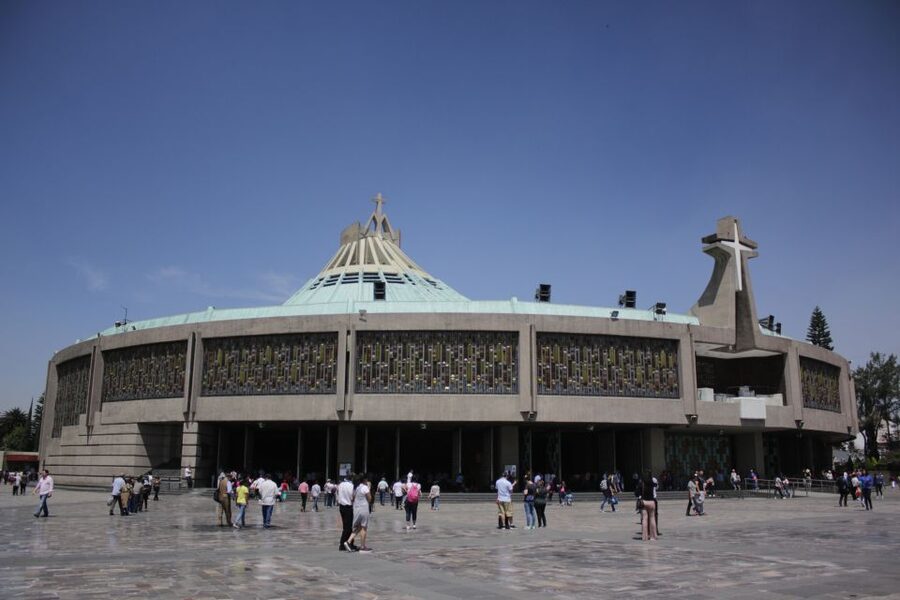
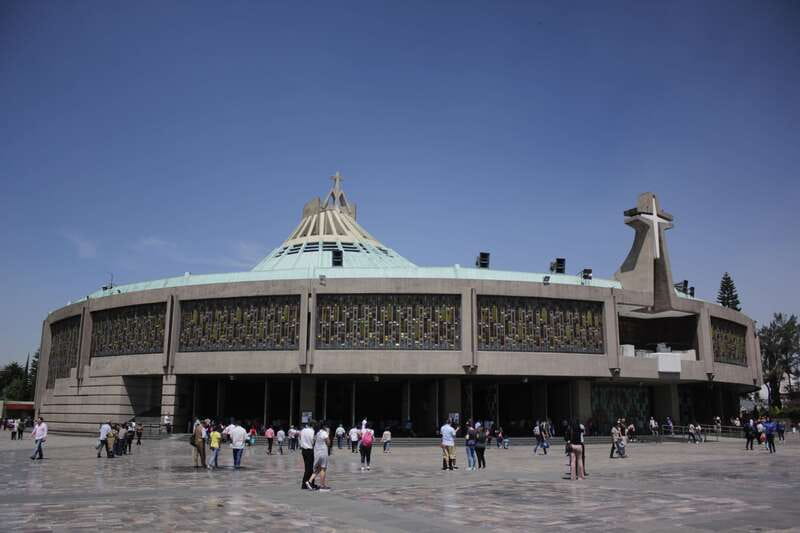
The Basilica of Guadalupe is one of the most important religious destinations in Mexico City. Even if you do not plan an extended visit, the Yellow Circuit lets you reach this part of the city without arranging separate transport. You should allow extra time if you want to explore the site beyond a quick look, since the bus ticket covers transportation, not a guided visit.
The Temple of San Judas Tadeo adds a more specific religious stop. Its inclusion shows that the route is not limited to postcard monuments. It also gives you a chance to see a place with a direct role in local devotion, though the available details do not specify visiting times or interior access.
Back in the central area, the Benito Juárez Hemicycle is one of the city’s key public monuments. It provides a clear connection to Mexico’s political history and works well as part of a Downtown walk. I would combine this stop with other central sights rather than making a separate trip only for the monument.
This route may be the hardest to fit into a rushed day. The destinations are spread out, and visits to the Basilica or museum can take longer than a simple bus stop. Choose Yellow when you care about Mexico City’s religious and civic identity, not just its main avenues.
A few more reviews worth comparing before you book
- Teotihuacan, Guadalupe Shrine & Tlatelolco Day Tour with Lunch
★ 5.0 · 11,603 reviews - Xochimilco, Coyoacan and Frida Kahlo with Optional Lunch
★ 4.5 · 7,320 reviews - Balloon flight + Breakfast in cave + Pyramids + Pick up CDMX.
★ 5.0 · 6,335 reviews - Teotihuacan pyramids morning or afternoon without tourist traps
★ 5.0 · 6,186 reviews
Blue Circuit: Coyoacán, San Ángel, and UNAM
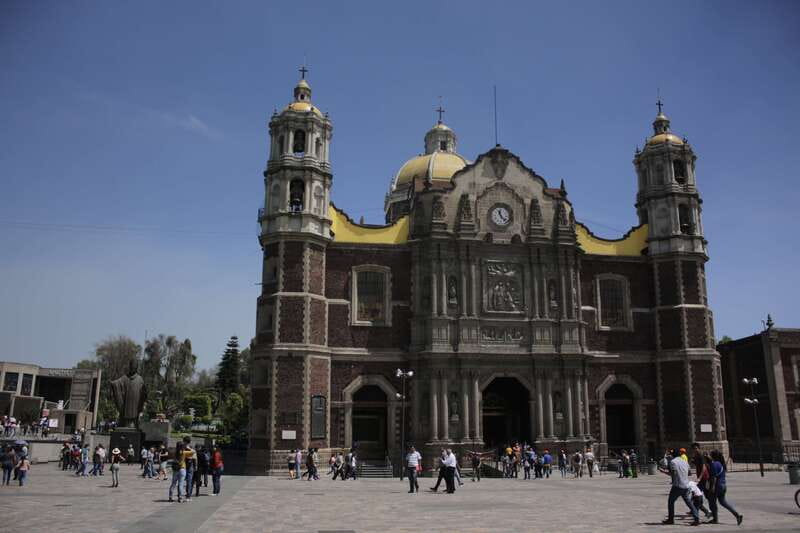
The Blue route heads south, where Mexico City feels different from the central districts. Its main draws are Coyoacán, the parks of San Ángel, and the campus of the National Autonomous University of Mexico, known as UNAM.
Coyoacán is the strongest reason to choose this circuit. The district is associated with Frida Kahlo’s Blue House Museum, officially the Frida Kahlo Museum. The bus takes you to the area, but the museum admission is not part of the $20 ticket. If you want to enter, check your timing carefully and expect the stop to take much longer than a quick photo break.
Even without the museum, Coyoacán is worth treating as a walking stop. The bus offers the connection; your own time on the streets supplies the real sense of place. I would avoid trying to see Coyoacán, San Ángel, and UNAM in detail while also completing the other two routes.
San Ángel contributes parks and a quieter southern setting. The information provided does not name individual parks or promise a guided walk, so consider this a chance to get off and explore at your own speed. The Blue route is useful here because it connects areas that are not natural extensions of a Downtown walking day.
UNAM adds another kind of stop. Its campus is an important part of Mexico City’s public and cultural life, and the route lets you see it alongside the southern neighborhoods. You may find that the campus needs its own time, especially if you want to go beyond a passing view.
Blue is the route I would prioritize if you have a second day or if Coyoacán is high on your list. It covers the greatest distance from the central sights, so the bus saves more effort here than it does on the compact historic-center sections.
The audio guide and the practical weak spot
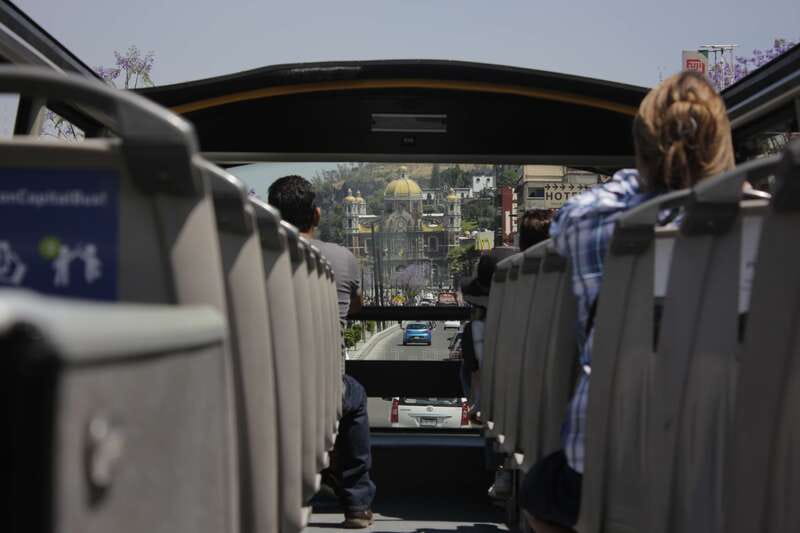
The onboard audio guide is meant to supply context as you pass monuments and neighborhoods. That is helpful on a bus, where you see many places quickly and may not know which building or statue you are passing.
You need to bring your own headphones. They are not included, and the experience information does not specify what type of connection the bus uses. Bring a dependable pair, but keep your expectations realistic because the commentary may depend on onboard WiFi.
One verified booking from February 18, 2026, reported that the WiFi would not remain stable, so the English audio could not be heard. That is a serious issue if the narration is the main reason you are choosing a guided bus rather than ordinary public transport.
I would treat the audio as a useful extra, not the entire experience. Before setting off, confirm that it is working. If it fails, you can still use the bus for views and transport, but you should not expect the same historical context. The rating of 3.9 from 183 reviews suggests a generally mixed-to-positive experience rather than a sure thing for every passenger.
Building a smart one-day plan
The three routes operate every day, but one day is not enough for a detailed visit to every district. The ticket is best used with priorities.
For a first visit, I would begin on Green to see the Zócalo and Reforma. You can stay aboard for the panoramic section, then get off in one district, such as Roma, Condesa, or Polanco. After a proper walk and meal outside the bus, you can decide if you still have the energy for Yellow or Blue.
If Coyoacán matters most, start with Blue. That protects your main goal from delays or fatigue later in the day. The 24-hour validity gives you flexibility, but the ticket still covers only one day, and long routes can consume more time than expected.
Yellow works best for a focused day centered on museums, temples, and the Basilica of Guadalupe. Trying to add a long museum visit, a full religious-site visit, and two other circuits could turn the day into a series of rushed bus connections.
Sunday requires extra care. From 08:00 to 14:00, Mexico City’s Ciclotón closes or changes some streets for cycling, and the buses use alternate streets. That may alter the route or slow the ride. If your schedule is tight, avoid building your plan around exact arrival times during that window.
The bus runs in rain or sun, so weather should shape your stop choices. A covered museum or shorter neighborhood walk makes more sense during rain, while the upper deck may be most enjoyable on a clear day. Since umbrellas are not allowed, bring a rain plan that fits the rules.
Who gets the most value from this ticket
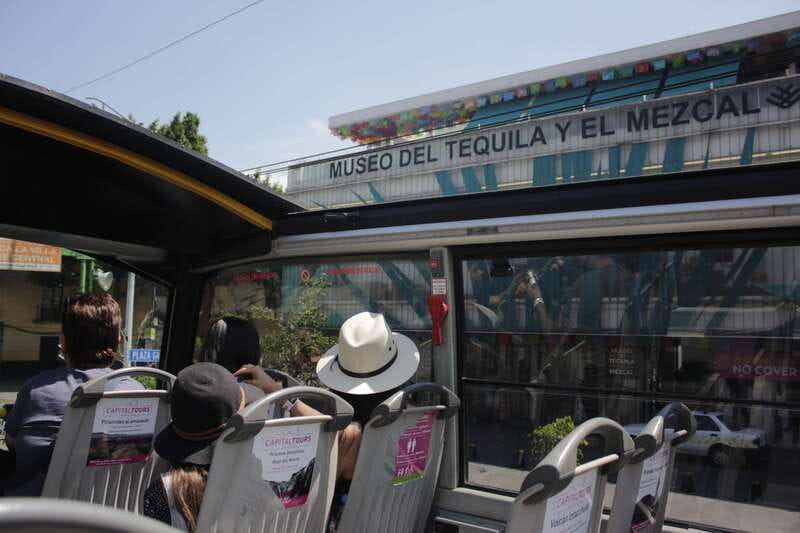
I would recommend the tour to you if you want a city overview before choosing where to spend your limited time. It also suits families, first-time visitors, and anyone who would rather avoid arranging separate transport between central and southern districts.
The bus is a good fit if you like flexible sightseeing. You can remain seated for a panoramic ride, then hop off at a place that interests you. Wheelchair accessibility also makes it a practical option for visitors who need an accessible sightseeing vehicle.
I would be more cautious if you want a fully narrated tour with guaranteed audio performance. The WiFi problem reported in English is the clearest warning. I would also look elsewhere if you prefer small groups, personal guiding, or long visits inside museums and monuments.
The tour does not include meals, drinks, hotel transfers, museum admission, or a named personal guide. You are paying for the network, the ride, the audio system, and the freedom to choose your stops.
Cancellation, payment, and a simple booking tip
You can cancel up to 24 hours before the activity for a full refund. You can also reserve now and pay later, which helps if your Mexico City plans are still changing.
At the meeting point, arrive 10 minutes early and exchange your reservation for the bracelet. Bring identification, your own headphones, a hat, and comfortable clothing. Those small preparations matter more here than packing a full day bag, since food and drinks are not allowed aboard.
Should you book this Mexico City bus tour?
Book it if you want an affordable first-day survey of a huge city, especially if you plan to use at least two circuits. The Green route gives you the best overview, Blue connects you to Coyoacán and UNAM, and Yellow reaches destinations that are less convenient to combine on foot.
Skip it if your plans focus only on the historic center, or if dependable live commentary is essential. For the best value, start early, pick one main route, use a second route for a shorter ride, and allow real walking time in the neighborhoods that interest you most.
FAQ
How much does the Mexico City Hop-On Hop-Off Bus City Tour cost?
The listed price is $20 per person for one day.
How long is the ticket valid?
The ticket is valid for 24 hours from the time you first activate it.
How many bus circuits are included?
One ticket includes three circuits: Downtown to Polanco, Downtown to Temples, and Downtown to South.
What does the Green Circuit visit?
The Green Circuit covers Downtown, the Zócalo, Reforma Avenue, the Angel of Independence, Diana the Huntress, and parts of Roma, Condesa, and Polanco.
What does the Yellow Circuit visit?
The Yellow Circuit includes Downtown sights and access to the Franz Mayer Museum area, the Basilica of Guadalupe, the Temple of San Judas Tadeo, and the Benito Juárez Hemicycle.
What does the Blue Circuit visit?
The Blue Circuit travels through southern Mexico City, including Coyoacán, the area of Frida Kahlo’s Blue House Museum, San Ángel parks, and the UNAM campus.
Are headphones included?
No. Headphones are not included, so you should bring your own.
Is the bus wheelchair accessible?
Yes, the activity is listed as wheelchair accessible.
Just added around Mexico City
- Teotihuacan & Anthropology Museum, Templo Mayor & City Tour★ 4.5 · 109 reviews
- Mexico Private Food Tour With Locals Including 10 Tastings★ 4.5 · 109 reviews
- THE REAL CDMX: Under the skin of the city★ 5.0 · 111 reviews
- Mexico City: Mexican Folklore Ballet★ 4.5 · 111 reviews
- Teotihuacán plus Bike Tour★ 5.0 · 114 reviews
- Bike to taste the world’s best tacos – Mexico City★ 5.0 · 116 reviews
- EXCLUSIVE TOUR Chapultepec Castle – Small Groups★ 5.0 · 117 reviews
- Balloon flight with private transportation and guided tour to Teotihuacán★ 5.0 · 118 reviews
City Tours, compared.
Teotihuacan, Tlatelolco & Guadalupe Shrine Tour
Read our review →
Teotihuacan Hot Air Balloon Flight from Mexico City / Volare
Read our review →


The best tour to Teotihuacán from Mexico City
Read our review →

Browse the lists this tour appears in