
Reviewed · COOKING CLASSES
Oaxacan Vegetarian Cooking Class
Oaxaca tastes best from a market basket. This four-hour experience combines a walk through the Merced neighborhood with a hands-on vegetarian cooking class, giving you a closer look at local produce, traditional techniques, and the stories behind Zapotec food. I especially like the market stop and the chance to prepare a full meal rather than simply watch a chef work.
I also like the relaxed neighborhood route, with churches, parks, and colorful quarry-stone houses along the way. The main consideration is that this is shared cooking: you may be assigned only one or two tasks, so you will not necessarily prepare every dish from start to finish. Some past participants also raised concerns about hand-washing, cleaning duties, and recipes not always being provided.
In This Review
- Key points to know before booking
- A neighborhood walk before the cooking begins
- Shopping for vegetables at a local market
- Returning to the Etnofood kitchen
- What you may cook during the four hours
- Learning with Victor and the teaching team
- Eating together at the end
- The rustic side of the experience
- Is $70.72 a good value?
- Who should book this Oaxaca cooking class?
- Should you book it?
- FAQ
- How long does the Oaxacan vegetarian cooking class last?
- Where does the experience begin and end?
- Is the cooking class offered in English?
- What food is included?
- Is the menu always the same?
- Is this a private activity?
- What is the cancellation policy?
Key points to know before booking
- The market walk comes first: You browse a local neighborhood market, taste ingredients such as quesillo, and help choose produce for the meal.
- The class is collaborative: Groups prepare dishes together, often including mole, rice, vegetables, tortillas, quesadillas, salsa, and dessert.
- Victor is the central guide: He is praised for explaining Oaxacan food, Zapotec traditions, family recipes, and cooking techniques with humor and warmth.
- The setting is rustic: Expect traditional cooking methods and a practical kitchen rather than a polished demonstration studio.
- The food is substantial: Snacks, lunch, drinks, cooking equipment, and materials are included, along with alcoholic beverages.
- It suits vegetarians and curious omnivores: The recipes focus on plant-based Oaxacan cooking, but you should clarify any strict dietary requirements before joining.
A neighborhood walk before the cooking begins
The experience starts at TeoLabXicoténcatl 609 in central Oaxaca, at 10:00 in the morning or 4:00 in the afternoon, according to the available schedule. From there, you walk into the Merced neighborhood with a chiquigüite and mandil, a traditional basket and apron used for the market visit.
This small detail sets the tone. You are not being whisked straight into a kitchen. You are first given a local errand to perform, with the basket making you part of the scene rather than simply an observer.
The route passes churches, parks, trees, and colonial houses made from pink, green, and yellow quarry stone. I like this opening because it gives the class a sense of place. You are seeing one of Oaxaca’s traditional neighborhoods while learning that food is tied to streets, families, religious celebrations, and local agriculture.
The walk is also useful if you are still getting your bearings in central Oaxaca. It is not presented as a major sightseeing tour, so do not book this mainly for landmark coverage. Its value is in the smaller details: the neighborhood atmosphere, the parks, the churches, and the transition from city walking to food shopping.
Bring comfortable shoes. The activity lasts about four hours and includes walking before the kitchen work begins.
More Cooking Classes in Oaxaca
- Flavors of Oaxaca: Cooking Class with No Set Menu and Local Market Tour
★ 4.5 · 333 reviews - Traditional Oaxaqueña Cooking with Grandma’s Recipes
★ 5.0 · 260 reviews - The Real Traditional Oaxaca culinary Cooking experience
★ 5.0 · 251 reviews
Shopping for vegetables at a local market
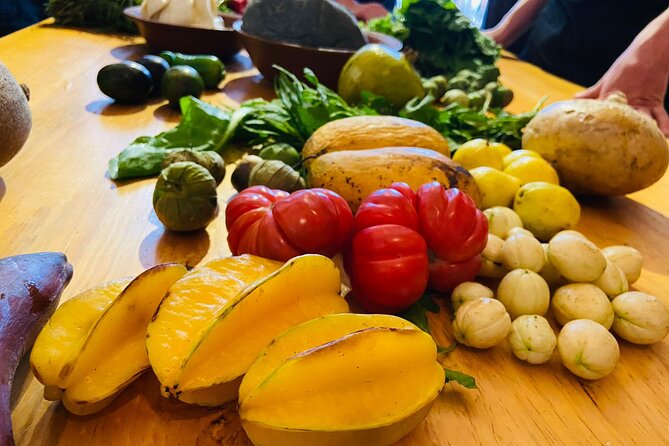
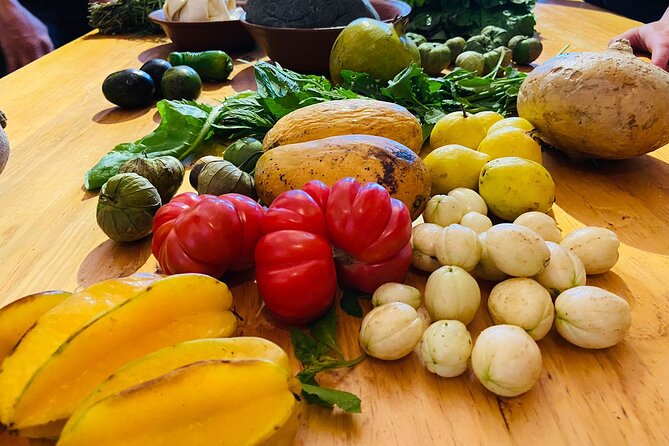
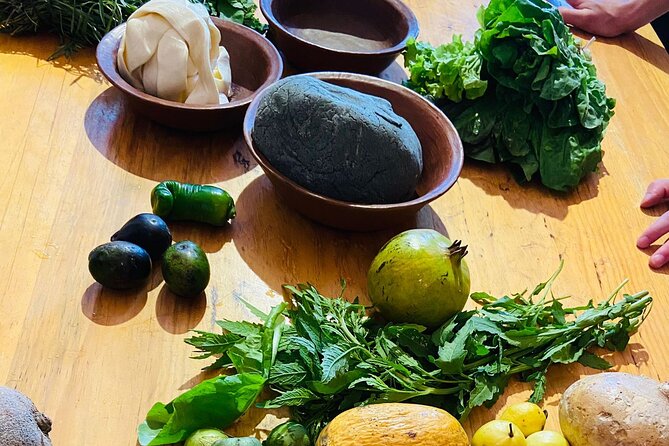
Halfway through the walk, you meet producers who bring fresh organic vegetables from a town near Oaxaca City. The produce is harvested in the morning, which gives you a direct connection to the ingredients that will appear on your plate later.
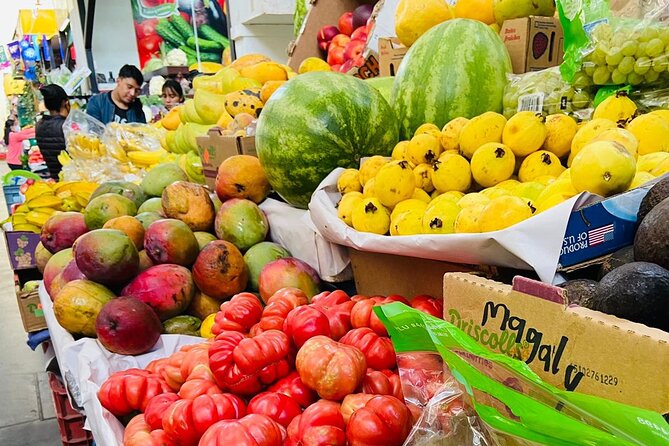
You then visit market vendors in the neighborhood market, taste snacks, and help buy supplies for the meal. The exact market visit can vary in feel. A morning session may offer more activity and a wider selection, while an afternoon visit could be quieter or, on some days, close to the end of business.
That timing matters. If the market is central to your interest, I would choose the morning departure when possible. The afternoon version still includes the cooking class, but the shopping portion may feel shorter if vendors are packing up.
The tasting can include local cheese, especially quesillo, and other market snacks. One account also describes trying crickets, so strict vegetarians should ask exactly what will be offered during tastings. The cooking itself is designed around vegetarian food, but a market visit in Oaxaca may include foods outside a strictly vegetarian menu.
The market is where the class gains much of its character. You learn what local ingredients look like before they are chopped, toasted, blended, or folded into dough. That makes the later cooking easier to understand. A chile, herb, squash, or seed is no longer just a line on a recipe sheet. You have seen it in its everyday setting and tasted it in a simple form.
Returning to the Etnofood kitchen
After shopping, the group returns to the starting area for the cooking portion. The operation is connected with Etnofood Experiencias, and past sessions have taken place in a rustic kitchen or cultural-center setting. One participant described the space as especially appealing because it also hosts art workshops.
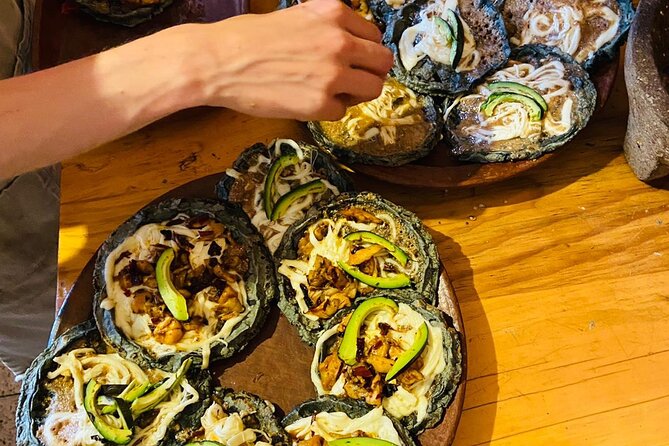
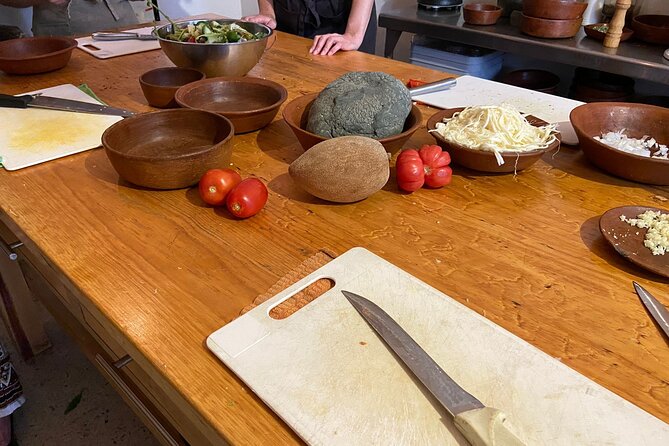
Do not expect a sleek cooking school with each person working at a private station. The appeal here is traditional equipment, shared preparation, and a meal made by the entire group. You may chop cactus and other vegetables, prepare masa, press tortillas, stir rice, sauté squash, grind salsa in a molcajete, or help build a mole.
The size of the group can vary. Sessions have included small groups of nine or ten, while one class had around twenty people. The instructors have generally handled the work in an organized way, assigning jobs so that everyone can contribute. Still, larger groups naturally mean less time at the main cooking station.
This is the key difference between this class and a highly structured culinary workshop. You are part of a team. That creates a friendly, social meal, but it also means your personal cooking experience depends on the task you receive.
If you want to master every recipe step, speak up and ask to try more than one job. If you prefer a social activity with guidance and shared food, the group format should suit you well.
What you may cook during the four hours
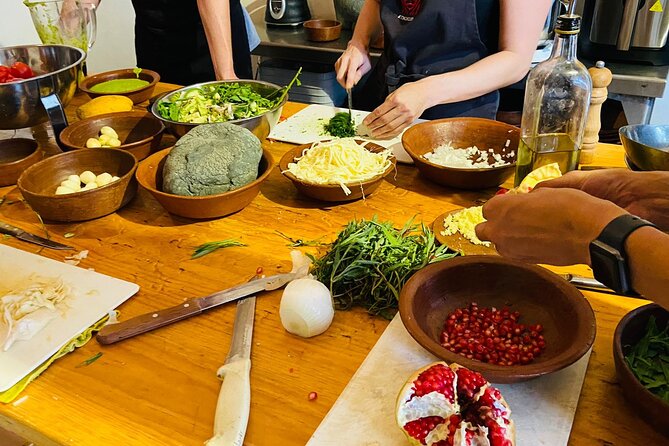
The menu changes, so you should not treat the published sample as a fixed promise. The basic format includes a fresh salad, a traditional Oaxacan main dish, and a sweet surprise. Lunch, snacks, bottled water, alcoholic beverages, kitchen equipment, and cooking materials are included.
The dishes described in past sessions give you a good idea of the range:
- Mole with mushrooms or other vegetables
- Rice with herbs
- Sautéed zucchini and chayote
- Squash blossoms
- Huitlacoche
- Fresh and roasted salsa
- Quesadillas with quesillo and epazote
- Memelas, empanadas, and tortillas made from masa
- Fresh fruit with chile
- Fruit-based aguas frescas
- A dessert selected for the class
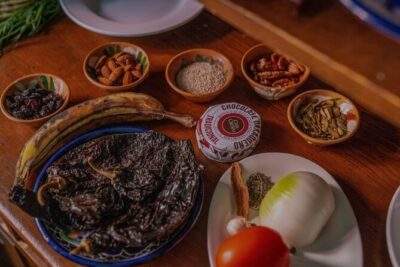
The mole is often the star. One version includes nuts, cinnamon, sesame seeds, chiles, plantain, guayaba, roasted garlic, yerba santa, and other local ingredients. Some groups have finished the sauce with a little mezcal before blending it.
That description tells you what makes this class more than a simple vegetarian lunch. You learn how Oaxacan flavor is layered. Ingredients are toasted, ground, blended, and adjusted rather than dumped into a pot all at once.
The cooking can also show you how much traditional Oaxacan food depends on plants, seeds, herbs, corn, and chiles. The class presents Zapotec cooking as traditionally vegetarian in many settings, with meat more associated with special celebrations. That cultural context gives the recipes meaning without turning the session into a lecture.
More hands-on cookery sessions:
- Traditional Cooking Class with Minerva Lopez
★ 5.0 · 197 reviews - Oaxaca: Vegetarian Cooking Class
★ 4.8 · 139 reviews - Cabo San Lucas Mexican Cooking Class Experience and Local Markets
★ 5.0 · 915 reviews - Puerto Vallarta Cooking Class Experience with Market Tour
★ 5.0 · 698 reviews
Learning with Victor and the teaching team
Victor is frequently named as the main teacher, and his personal connection to the food is a major part of the experience. He has spoken about his mother, a traditional Zapotec chef, and about recipes passed down from his grandmother.
That family link helps explain why the teaching feels personal. Victor does not simply identify ingredients or recite steps. He explains how he came to cook, why certain foods matter, and how the flavors are built. He also shares stories about Oaxaca’s food culture and Zapotec traditions.
His style is energetic and encouraging. He has helped people who do not speak Spanish confidently, and he includes language and cultural lessons during the activity. If you enjoy meeting a guide with a strong personality, you will probably appreciate him.
Other instructors may lead your session. Quetzal or Quetzali has guided groups through a smaller market and then given clear kitchen instructions, while Armando has adjusted a menu for a food allergy. The exact guide can affect the tone, but the teaching team has been described as friendly and well organized.
The best way to get more from the class is to ask questions. Ask why a chile is toasted, how a salsa changes when roasted, or what makes one mole different from another. The staff appear willing to explain, and the experience rewards curiosity.
Eating together at the end
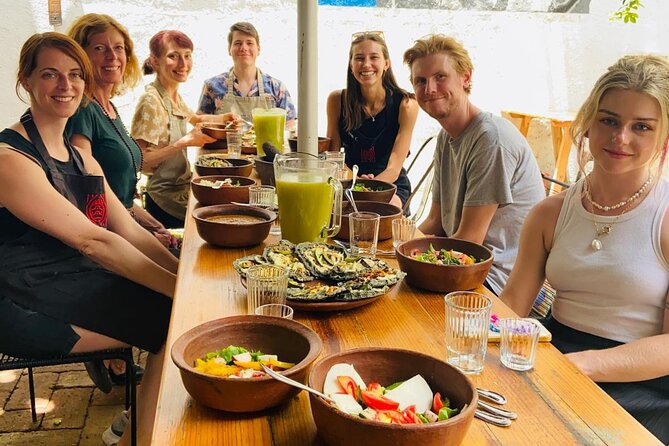
Once the cooking is finished, everyone sits down to share the meal. The group prepares a vegetarian banquet rather than a single plated dish, so you get to taste the full range of the afternoon’s work.
Portions have been described as generous, and the pace is not meant to rush you out the door. Victor sometimes eats with the group, which gives the final meal a more informal, family-style feeling.
This shared table is one of the strongest parts of the class. You have walked through the neighborhood, shopped together, divided up the kitchen work, and then sit down with the results. Even if you did not personally prepare every dish, you can see how each person’s task contributed to the meal.
Drinks may include agua de frutas, bottled water, and alcoholic beverages. Chocolate de olla has also been served as an opening toast in one session. Because alcohol is included, tell the team if you prefer not to drink or need to avoid it.
The rustic side of the experience
The rustic kitchen is part of the charm, but it also calls for realistic expectations. You may work with traditional stoves, shared utensils, and group equipment. This is closer to a communal cooking session than a spotless professional kitchen.
One participant specifically raised a concern about hand-washing while handling food and utensils. Another noted that the group helped clean pots and dishes, despite not expecting that responsibility, and that promised recipes were not always supplied.
Those are fair points to consider. If kitchen hygiene is a major concern for you, ask about the current procedures before booking. You may also want to confirm whether recipe cards or QR-code recipes will be available. Some sessions have provided recipes through QR codes or allowed participants to photograph them, but this does not appear perfectly consistent.
The cleaning issue is less serious for people who enjoy a communal kitchen, but it can surprise you if you expect a fully catered activity. I would treat light cleanup as possible and ask at the start how the kitchen will be divided.
Is $70.72 a good value?
At $70.72 per person, the price is reasonable if you value the full four-hour package rather than just the meal. You are paying for a neighborhood walk, market shopping, tastings, instruction, ingredients, kitchen use, drinks, and lunch.
A restaurant meal could cost less, especially for a simple vegetarian plate. It would not give you the market context, the shared preparation, or the chance to learn how to make mole, tortillas, salsa, and other dishes.
The price looks strongest for visitors who want a cultural activity with food at its center. It is less compelling if you want a private lesson with individual attention or a polished professional kitchen.
The activity is private for your booked party according to the official details, but the cooking format described by participants is clearly collaborative and can include several groups or a sizable class. Clarify the group arrangement if privacy is important to you.
With a 4.8 rating from 235 reviews and 96 percent recommendation, the experience has a strong record. I would still pay attention to the practical tradeoffs: changing menus, shared jobs, rustic facilities, and possible recipe or hygiene inconsistencies.
Who should book this Oaxaca cooking class?
I would recommend it to vegetarians who want more than a restaurant meal, food-focused visitors who enjoy markets, and anyone curious about Zapotec ingredients and family cooking traditions.
It also works well for couples, friends, and solo visitors. Solo participants can join a group activity without needing to organize a private class, while couples and friends get an easy shared project during a stay in Oaxaca.
You do not need to be an expert cook. The staff assign manageable tasks and guide the process step by step. The class also suits people who eat meat but want to understand Oaxaca’s plant-based cooking. Several dishes are naturally filling and complex without relying on meat.
I would hesitate if you dislike group activities, do not want to walk, or expect to prepare every dish alone. I would also contact Etnofood before booking if you have a serious allergy, follow a strict vegan diet, or need guaranteed written recipes.
The class is offered in English, and service animals are allowed. It is near public transportation, but the activity begins and ends at TeoLabXicoténcatl 609. Confirmation is sent within 48 hours, subject to availability. You can cancel for a full refund up to 24 hours before the start time; cancellations inside that window are not refunded. Poor weather may lead to a new date or a full refund.
Should you book it?
Book this class if you want to understand Oaxaca through its ingredients, not just eat them. The market walk, Victor’s family stories, the hands-on mole, and the final shared meal create a strong four-hour introduction to local food.
Choose the morning session if the market matters most to you. Ask about the day’s menu, hygiene practices, cleaning duties, and recipes if those details affect your decision.
I would book it for a social, practical, and flavorful look at Oaxacan cooking. Just remember that the class is communal and rustic. You are joining a working kitchen, not a private chef lesson, and that is exactly where much of its charm comes from.
FAQ
How long does the Oaxacan vegetarian cooking class last?
The experience lasts approximately four hours, including the neighborhood walk, market visit, cooking session, and shared meal.
Where does the experience begin and end?
It begins at TeoLabXicoténcatl 609, Centro, 68000 Oaxaca de Juárez, Oaxaca, Mexico. It ends back at the meeting point.
Is the cooking class offered in English?
Yes. The experience is offered in English.
What food is included?
The experience includes snacks, lunch, bottled water, alcoholic beverages, cooking materials, and kitchen equipment. The meal generally includes a salad, a traditional Oaxacan main dish, and dessert.
Is the menu always the same?
No fixed menu is guaranteed. Dishes described for different sessions have included mole, rice, vegetables, tortillas, quesadillas, salsas, memelas, empanadas, fruit, and dessert.
Is this a private activity?
The activity is described as private, with only your group participating. The cooking itself uses a collaborative format, and the size of the cooking group can vary.
What is the cancellation policy?
You can cancel at least 24 hours before the start time for a full refund. Cancellations or changes made less than 24 hours before the experience are not accepted or refunded. If poor weather causes cancellation, you will be offered another date or a full refund.
More Vegan & Vegetarian
- Mexico City Vegan & Vegetarian Street Food Adventure
★ 5.0 · 176 reviews
Just added around Oaxaca
- Oaxaca: Early Arrival at Hierve el Agua + Pickup + Admission★ 4.4 · 105 reviews
- Private Transportation from Oaxaca Airport to Hotel★ 4.5 · 107 reviews
- Art walk & Cacao delight★ 5.0 · 111 reviews
- Tule, Mitla & Hierve el Agua Full-Day Tour with Certified Guide★ 4.5 · 114 reviews
- Boil the Water, Mitla, Tule, Mezcal and more★ 4.0 · 118 reviews
- Small Group Boerve del Agua and Mezcal Tour from Oaxaca Centro★ 5.0 · 118 reviews
- Private Minivan: Huatulco International Airport (HUX)★ 4.0 · 119 reviews
- Street Art Bike Ride★ 5.0 · 125 reviews
Cooking Classes, compared.
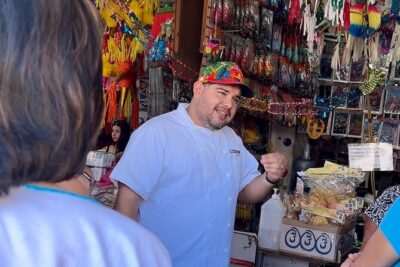
Cabo San Lucas Mexican Cooking Class Experience and Local Markets
Read our review →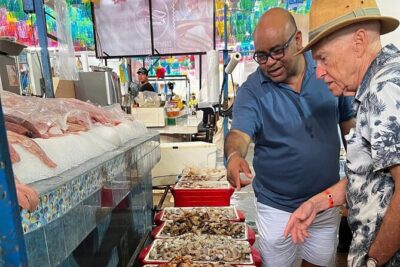
Puerto Vallarta Cooking Class Experience with Market Tour
Read our review →
Mexican Cooking from Scratch in a Local Home in Tulum
Read our review →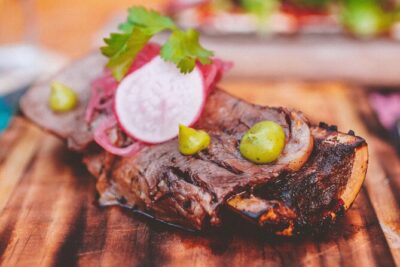
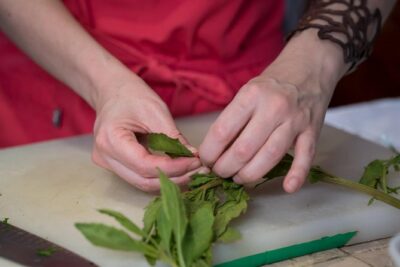
Mexican Cooking Class with Food Market Visit in Mexico City
Read our review →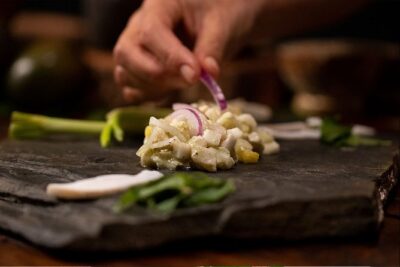
Flavors of Oaxaca: Cooking Class with No Set Menu and Local Market Tour
Read our review →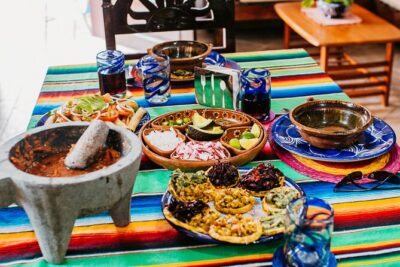
Browse the lists this tour appears in