
Reviewed · COOKING CLASSES
Playa del Carmen Mexican Cooking Class
Good food tells a bigger story. This three-hour class with Chef Alma offers a warm look at Mexican home cooking, from hand-pressed tortillas and fresh salsa to poblano mole, rice, tamales, and enchiladas. I like the hands-on format, and I especially like that you eat the meal you prepare rather than watching a chef do all the work. The small maximum of eight people also gives the lesson a personal feel.
The class is priced at $113.20 per person, which is fair if you value instruction, lunch, ingredients, cultural background, and a recipe collection. The main drawback is practical: you must make your own way to the meeting point at 50 Avenida Nte., and the menu can change, so you should share dietary needs or allergies before booking.
In This Review
- Key points to know before you book
- A three-hour morning in a local kitchen
- Why tortilla making is the star
- Salsa, guacamole, and the logic of Mexican flavor
- Traditional dishes and clay cookware
- The cultural side of the class
- A family welcome, not a large-group production
- What you eat at the end
- Recipes you can take home
- Price, timing, and transport
- Food restrictions, children, and mobility needs
- Who will enjoy this class most?
- Should you book the Playa del Carmen cooking class?
- FAQ
- Where does the cooking class begin?
- What time does the class start?
- How long does the experience last?
- Where does the experience end?
- Is hotel pickup included?
- What food is included?
- Is a vegetarian option available?
- What language is the class offered in?
- How many people can join?
- Can children attend?
Key points to know before you book
- Make tortillas from masa: You will handle the dough, press the tortillas, and cook them, making this one of the most memorable parts of the class.
- Chef Alma leads the lesson: Her teaching combines cooking skills with stories about Playa del Carmen, Mexican food, and regional traditions.
- Small groups keep it personal: The class accepts no more than eight people, a good size for questions and shared kitchen work.
- Lunch is your own cooking: Ingredients, bottled water, and the meal are included, so you taste the results at the end.
- Salsas are a major focus: You may work with a molcajete, fresh chiles, guacamole, and traditional sauces such as poblano mole.
- Plan your transport: Hotel pickup and drop-off are not included, and the class begins at 10:00 a.m. at its listed Playa del Carmen meeting point.
A three-hour morning in a local kitchen
The class begins at 10:00 a.m. in Playa del Carmen, at Electrica y Plomeria Silva, 50 Avenida Nte., Ejidal, 77712 Playa del Carmen. It ends at the same place, so plan for roughly three hours from arrival to the final meal.
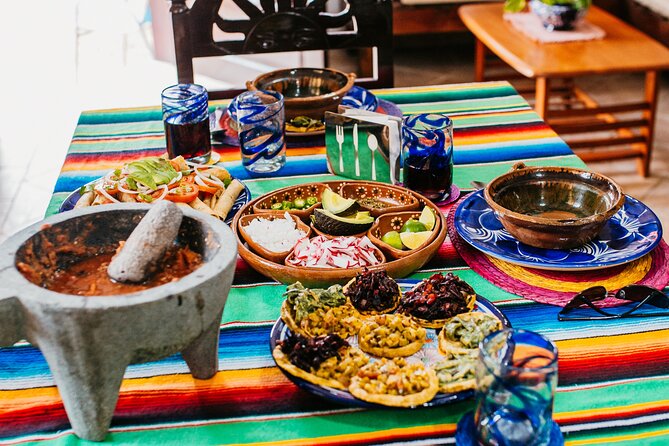
This is not a cooking demonstration where you sit at the edge of the room and take notes. You work with the ingredients. The exact menu may vary, but the class has included homemade tortillas, several salsas, guacamole, rice, enchiladas, tamales, peppers, onions, soup, agua fresca, and tequila drinks.
That variety gives you more than one recipe to remember. You learn how Mexican cooks build a meal, starting with masa, chiles, herbs, vegetables, sauces, and simple cooking methods.
Chef Alma is the central personality of the experience. She is often joined by her daughter or another family member, creating the feel of a small family kitchen rather than a formal culinary school. Her teaching also reaches beyond recipes. She explains where dishes come from, how ingredients are used in different parts of Mexico, and how Playa del Carmen developed.
More hands-on cookery sessions:
- Mexican Cooking Class 1 or 3 Courses Tequila and Mezcal Tasting
★ 5.0 · 151 reviews - Cabo San Lucas Mexican Cooking Class Experience and Local Markets
★ 5.0 · 915 reviews - Puerto Vallarta Cooking Class Experience with Market Tour
★ 5.0 · 698 reviews
Why tortilla making is the star
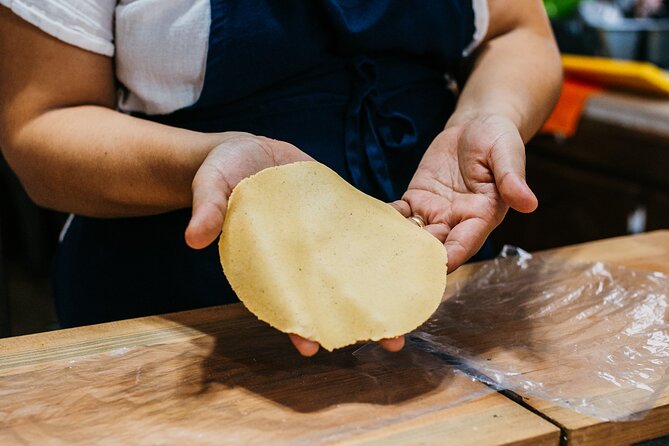
The tortilla lesson is likely to be the most useful part of the morning. You learn to work with masa, form the dough, press it, and fry it. Several class descriptions point to comparisons between different types of masa and how the choice affects tortilla dough.
That matters because tortillas look simple, but their texture depends on small details. The class gives you a chance to feel the dough instead of relying only on measurements. You also see how a fresh tortilla behaves in the pan and how it becomes part of the finished meal.
I like this kind of instruction because it travels well. You may not recreate every dish at home, but tortilla making gives you a skill you can practice again. It also changes the way you look at a tortilla on your plate. After making one yourself, it is easier to understand why freshness and texture matter.
The process is also social. Pressing and cooking tortillas gives everyone a clear task, and it tends to be less intimidating than tackling a complicated sauce right away.
Salsa, guacamole, and the logic of Mexican flavor
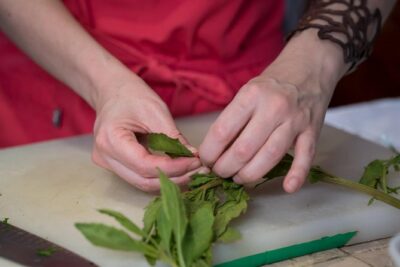
Salsas receive serious attention here. You may grind ingredients in a molcajete, the traditional stone tool used to crush chiles, herbs, and other ingredients. This is slower than using a blender, but it shows how texture develops and why a salsa can taste different when ingredients are crushed by hand.
The class has included fresh salsa and guacamole with a touch of habanero. You are not simply handed a finished bowl. You get to taste ingredients, follow the process, and adjust your sense of heat and balance.
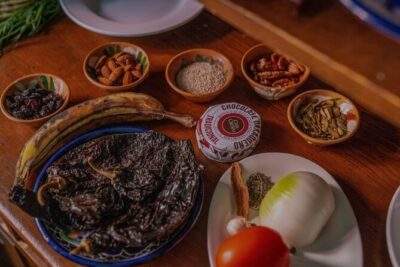
One especially useful lesson is that Mexican sauces are not all alike. Chef Alma explains the role of different sauces in traditional cooking, including a poblano mole used for enchiladas. This helps you understand that salsa, guacamole, mole, and other sauces each have their own purpose, texture, and level of preparation.
For you, the payoff is practical. You leave with ideas for using everyday ingredients in more interesting ways. A simple tomato, onion, chile, herb, or avocado can become several very different dishes depending on how you prepare it.
Traditional dishes and clay cookware
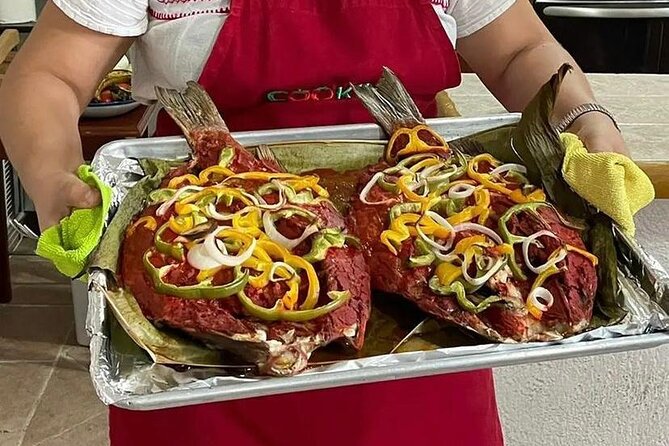
The cooking extends beyond snacks. Depending on the day, you may prepare chicken poblano enchiladas, cilantro rice, tamales, peppers and onions, or soup. One menu included tamales, guacamole, tortillas, salsa, and guava agua fresca, while another featured enchiladas and rice.
This changing menu is worth keeping in mind. You should book the class for the cooking format and teaching, not for one guaranteed dish. If tamales are your main goal, ask ahead of time if they will be included on your date.
Traditional clay dishes, called cazuelas, have also been part of the cooking. They give the meal a clear connection to older Mexican kitchen methods and make the class feel less like a standard restaurant lesson.
The food is described as authentic and homestyle, but the real value is in seeing how the meal comes together. You are likely to use fairly simple ingredients, then learn how preparation, grinding, roasting, seasoning, and cooking time shape the final flavor.
A few more reviews worth comparing before you book
- La Paz World Class Snorkeling in Balandras Hidden Beaches
★ 5.0 · 582 reviews - Authentic Mexican Legacy Cooking Class in Cabo San Lucas
★ 5.0 · 530 reviews - Mexican Cooking Class with Food Market Visit in Mexico City
★ 5.0 · 506 reviews - Los Cabos Surf Lesson at Costa Azul
★ 5.0 · 398 reviews
The cultural side of the class
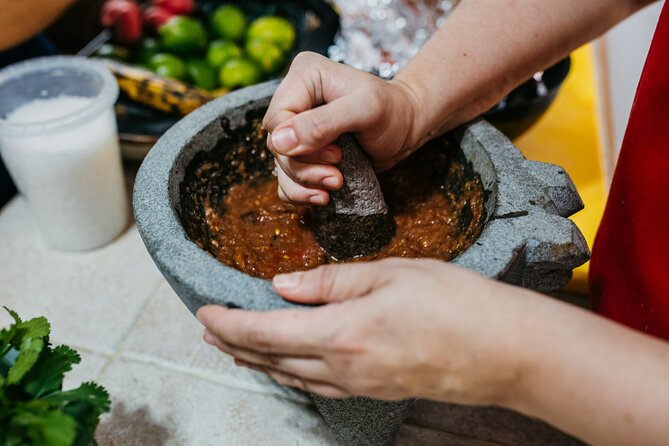
Food is the gateway, but Playa del Carmen itself gets attention. Chef Alma begins with background about the city and surrounding areas, then connects local culture with Mexican cooking.
That is a useful addition for anyone who has spent most of a Playa del Carmen holiday around the beach, hotels, and central tourist streets. The class gives you a different way to understand the place, through its food traditions and the stories attached to them.
Chef Alma also draws on knowledge from several regions of Mexico, not just Quintana Roo. That makes the class broader than a narrow regional menu. You can learn about dishes and ingredients that reflect the country’s wider cooking traditions while still hearing about Playa del Carmen.
I value this balance. A cooking class is more memorable when you understand why a dish matters, not only which ingredient goes in first. The cultural talk also gives you useful context for later meals in Mexico, especially when you encounter unfamiliar sauces, chiles, masa dishes, or regional specialties.
A family welcome, not a large-group production
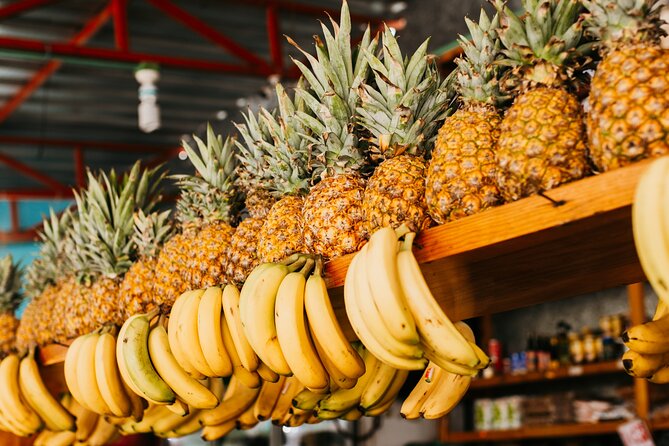
The maximum group size is eight people. That is small enough for direct help with pressing tortillas, chopping, grinding, stirring, and seasoning.
A group of this size also suits solo visitors, couples, friends, and families. Solo participants can join without being lost in a crowd, while couples and families can divide tasks and share the meal afterward.
The family-run setting is part of the charm. Chef Alma and her daughter have been described as a strong mother-daughter team, and the tone is warm and informal. You should expect a personal kitchen experience rather than a polished show built around a large commercial operation.
There is one trade-off. A home-style setting may feel less structured than a professional school. If you want exact culinary measurements, formal chef credentials, or a fixed menu, this may not be the best match. If you want conversation, local insight, and direct participation, the relaxed format works well.
What you eat at the end
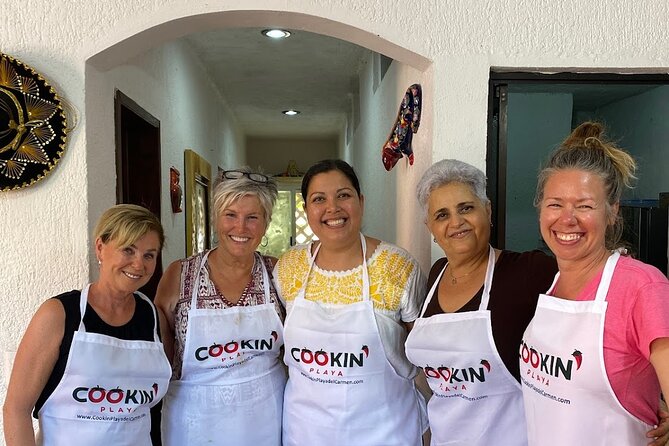
Lunch is included, and you eat the food prepared during the lesson. This is important because the meal becomes part of the class, not a separate restaurant stop.
The portions and final dishes can vary with the menu, but the range is substantial. You might sit down to tortillas, several salsas, guacamole, rice, enchiladas, vegetables, soup, tamales, or drinks prepared during the session.
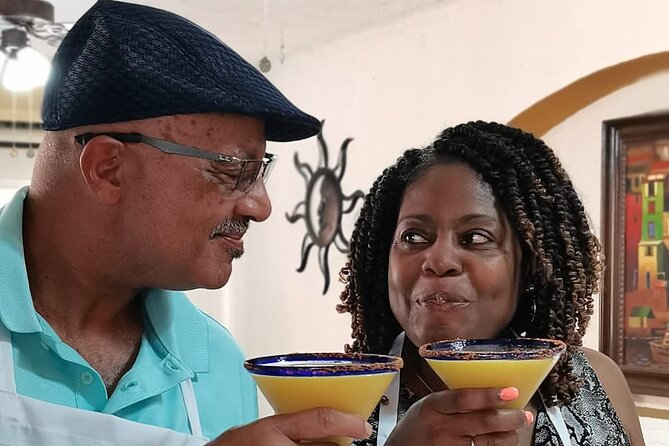
The class has also included tequila drinks made as part of the experience. If you do not drink alcohol, you should clarify the available alternatives when discussing your needs. Bottled water is included.
The meal provides a useful test of what you have learned. You can taste the difference between a sauce made with care and one treated as a quick topping. You also get a chance to ask last questions while the cooking is still fresh in your mind.
Recipes you can take home
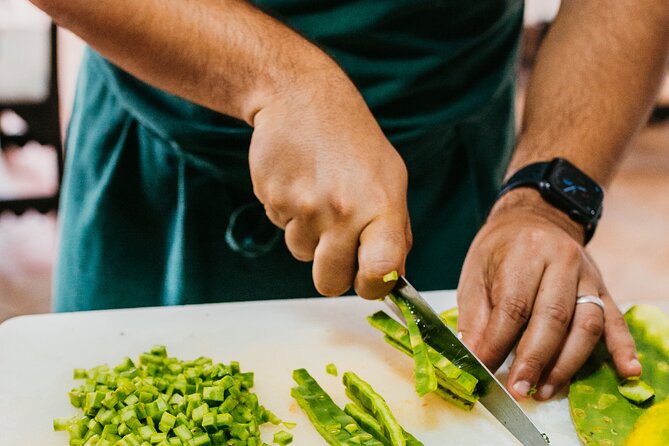
A major benefit is the recipe material provided after class. One participant received 43 family recipes, while another received a PDF with many dishes to try later.
That turns the morning into something more lasting than a one-time meal. You can revisit the salsa, tortilla, guacamole, tamale, rice, or enchilada techniques after returning home. You may need to adjust for ingredient availability, but the recipes give you a starting point.
I would treat the recipe collection as a bonus rather than the main reason to book. The strongest value comes from seeing and doing the techniques. Still, written recipes are useful because cooking instructions can blur together after a full morning of food and conversation.
A smart move is to take notes on the details that matter most to you: how soft the masa should feel, how much chile heat you prefer, and which step gives a sauce its texture.
Price, timing, and transport
At $113.20 per person, this is not the cheapest way to eat Mexican food in Playa del Carmen. You can find a lower-cost lunch elsewhere. But the price includes all ingredients, bottled water, a three-hour cooking lesson, instruction from a master chef, and the meal you prepare.
The small group adds value. You are paying for access to the kitchen and for guidance while you work, not just for a plate of food. If you are curious about Mexican cooking and expect to use the recipes later, the cost is easier to justify.
The 10:00 a.m. start works well for a morning activity. You can cook before the heat of the afternoon, finish with lunch, and still have much of the day available. The class is also a good break from sun and sightseeing.
Hotel pickup and drop-off are not included. The meeting point is near public transportation, and several participants have walked there from downtown Playa del Carmen. Still, you should confirm your route and allow time to find 50 Avenida Nte. The stated end point is the same as the start.
The activity is commonly booked well ahead, with an average lead time of 26 days. If your dates are fixed, booking early is sensible, especially because the class is limited to eight people.
Food restrictions, children, and mobility needs
Vegetarian cooking is available if you request it when booking. You should also report food allergies, other restrictions, or mobility issues in advance.
Children must be accompanied by an adult. The class can suit families, but the hands-on work means younger children may need close help around hot cookware, knives, and food preparation. The available information does not promise specific wheelchair access, so ask directly about your needs before paying.
The class is offered in English and Spanish. The listed ticket is mobile, and confirmation is sent at booking.
Cancellation is flexible enough for normal trip planning: you can cancel up to 24 hours before the experience for a full refund.
Who will enjoy this class most?
You should consider booking if you:
- Want a small, personal cooking lesson rather than a large group show.
- Like learning through your hands, especially with tortillas, salsas, masa, and a molcajete.
- Want cultural background about Playa del Carmen and Mexican food.
- Enjoy eating lunch as part of the lesson.
- Hope to recreate dishes at home.
- Are looking for an activity away from the beach and the usual tourist routine.
It may be less suitable if you want a guaranteed menu, hotel transportation, or a formal culinary-school setting. The three-hour format is also focused on a full meal, so it is not simply a quick tortilla workshop.
Should you book the Playa del Carmen cooking class?
I recommend it for most food-loving visitors, especially couples, families, solo participants, and anyone who wants a more personal view of Mexican culture. Chef Alma’s warmth, the tortilla work, the salsa lessons, and the home-style meal give the experience real substance.
The strongest reason to book is not just the food. It is the chance to understand how the food is made and why it matters. Add the small group, recipe material, flexible dietary options, and full lunch, and the $113.20 price offers solid value.
Book early if you need a particular date. Before confirming, ask about the menu, tell the host about allergies or mobility concerns, and plan your route to the Ejidal meeting point. If those details work for you, this is one of the better ways to spend a morning in Playa del Carmen.
FAQ
Where does the cooking class begin?
It begins at Electrica y Plomeria Silva, 50 Avenida Nte., Ejidal, 77712 Playa del Carmen, Quintana Roo, Mexico.
What time does the class start?
The class starts at 10:00 a.m.
How long does the experience last?
The cooking class lasts approximately three hours.
Where does the experience end?
It ends back at the same meeting point where the class begins.
Is hotel pickup included?
No. Hotel pickup and drop-off are not included.
What food is included?
All ingredients, bottled water, and lunch are included. You eat the food you prepare during the class.
Is a vegetarian option available?
Yes. A vegetarian option is available, but you must request it when booking.
What language is the class offered in?
The class is offered in English and Spanish.
How many people can join?
The activity has a maximum of eight participants.
Can children attend?
Yes. Children may attend, but they must be accompanied by an adult.
Just added around Playa del Carmen
- Off Road ATV Tour at the Akumal Monkey Rescued Animals Sanctuary★ 4.5 · 105 reviews
- 5H 42′ Azimut Yacht All-Inclusive from Tulum & Playa del Carmen.★ 5.0 · 105 reviews
- 4 Hour – 72′ Bruce Roberts, Tulum, Playa del Carmen, Riviera Maya★ 5.0 · 105 reviews
- 5-Hour 38’Luxury Catamaran All-Inclusive Tulum & Playa del Carmen★ 5.0 · 106 reviews
- Tulum All Inclusive 4h – Luxury 58′ Azimut Yacht★ 5.0 · 107 reviews
- VIP Tulum Ruins Private Tour with Snorkeling in Stunning Cenote★ 5.0 · 107 reviews
- Private Tour to Chichen Itza, Cenote Oxman and Valladolid★ 5.0 · 110 reviews
- 3 in 1 Private Tour Tulum Cenote and Snorkeling in the reef★ 5.0 · 111 reviews
Cooking Classes, compared.
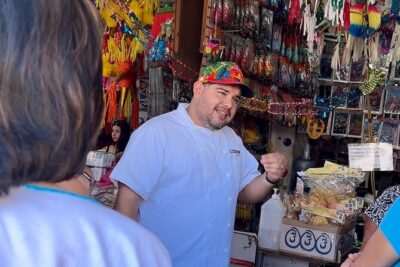
Cabo San Lucas Mexican Cooking Class Experience and Local Markets
Read our review →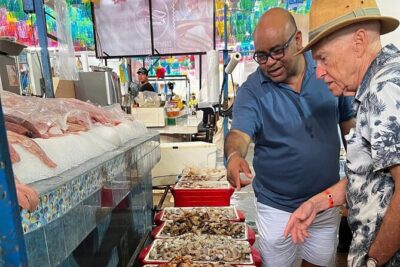
Puerto Vallarta Cooking Class Experience with Market Tour
Read our review →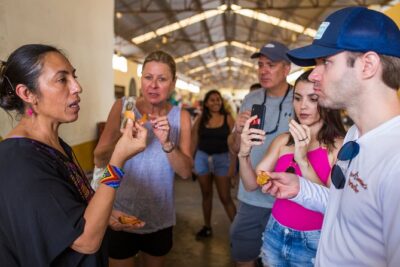
Mexican Cooking from Scratch in a Local Home in Tulum
Read our review →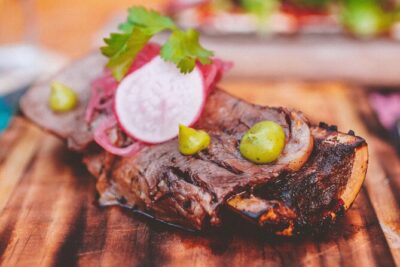
Mexican Cooking Class with Food Market Visit in Mexico City
Read our review →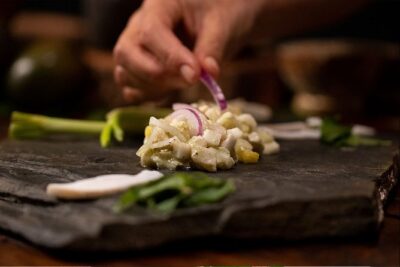
Flavors of Oaxaca: Cooking Class with No Set Menu and Local Market Tour
Read our review →
Taste of the Yucatan: Merida Cooking Class and Market Visit
Read our review →Browse the lists this tour appears in