
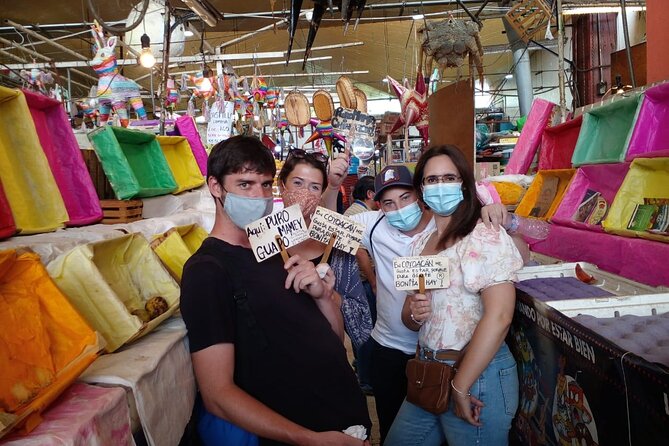
Reviewed · CITY TOURS
Private City Tour Mexico City – Best Rated
Mexico City reveals itself one block at a time. This private two-hour walk gives you a personal introduction to Centro Histórico, linking grand palaces, Aztec ruins, churches, food traditions, and the city’s enormous central square. I like the private format, which lets you ask questions and adjust the pace, and I like the useful advice guides provide for the rest of your visit. A possible drawback is the amount of ground covered in two hours: you will see many places, but several stops are brief rather than full museum visits.
The meeting point at Palacio de Bellas Artes is central and easy to reach by public transportation. Guides such as Brenda, Daniel, Rosa Maria, Joss, Ricardo, and Alejandro have received especially warm praise for their history, friendliness, communication, and ability to adapt when protests, parades, crowds, or late arrivals disrupt the plan. Still, this is a walking tour, not a vehicle tour, and some people record more than 10,000 steps during a longer version of the route.
In This Review
- Key Things to Know Before You Book
- Why This Private Walk Works as a First-Day Introduction
- Bellas Artes Begins the Story in Grand Style
- A Survivor of Earthquakes and the Palacio Postal
- El Caballito and the Plaza Near the National Art Museum
- Palacio de Minería and the Blue-and-White House of Tiles
- Pastelería Ideal Turns History Into a Tasting
- Templo Mayor Puts Aztec Mexico Under Your Feet
- Zócalo, the Center of the Center
- The Metropolitan Cathedral Finishes With Big Stories
- How Much Walking and Flexibility Should You Expect?
- Price, Value, and Who Should Book
- Should You Book This Mexico City Tour?
- FAQ
- How long does the private Mexico City tour last?
- What language is the tour offered in?
- Where does the tour begin?
- Where does the activity finish?
- Is private transportation included?
- Does the tour include a pastry tasting?
- Are admission tickets included at every stop?
- Can I cancel for a full refund?
Key Things to Know Before You Book
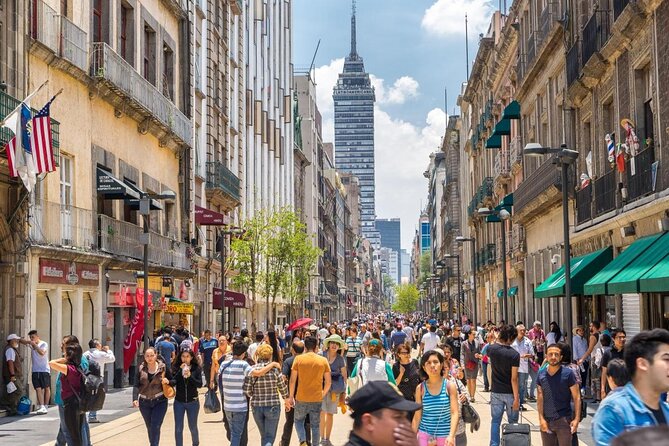
- Begin at Bellas Artes: The opening stop gives you an instant introduction to Mexican art, architecture, and the city’s historic core.
- Private means flexible: Only your group takes part, so you can ask questions, request photos, and spend more time on subjects that interest you.
- Eight major stops in about two hours: Expect a brisk overview of palaces, plazas, ruins, religious buildings, and local food culture.
- A pastry tasting adds a local touch: Pastelería Ideal is not just a photo stop, but a chance to try Mexican baked goods.
- No private transportation is included: You meet at Palacio de Bellas Artes and finish back there.
- Plan around closures and public events: Museums may be closed on Mondays, and demonstrations or parades can change the route.
Why This Private Walk Works as a First-Day Introduction
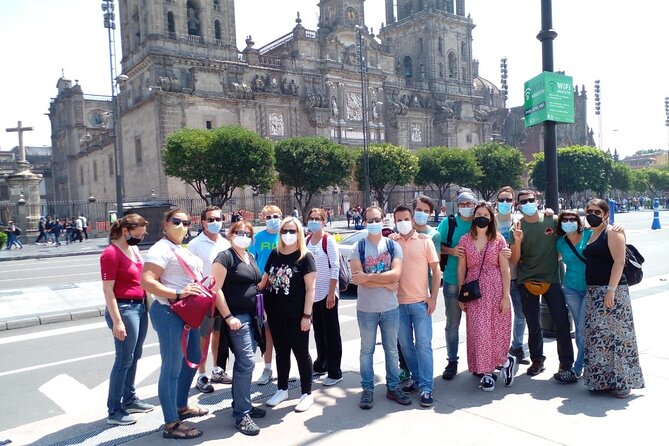
Mexico City’s historic center can feel like several cities pressed into one. You move from colonial architecture to pre-Hispanic ruins, then from a grand cathedral to a working post office and a pastry shop that has served generations of local customers.
That mix is the main strength of this tour. You are not spending two hours on one building or one period. Instead, your guide gives you a framework for understanding how the city developed and why its central streets matter.
I would book this early in a Mexico City visit. The route gives you a useful sense of direction, and several guides provide suggestions for museums, restaurants, neighborhoods, and attractions to visit afterward. One guide, Ernesto, helped first-time visitors decide how to spend the next few days. Rosa Maria also offered restaurant advice and made a taco stop during a private outing.
The private setup matters most for questions. If you want to understand the Spanish conquest, Mexican baking, church architecture, Day of the Dead traditions, or modern city life, you can ask without waiting for a group to catch up. Guides have also been praised for taking pictures, communicating clearly before the meeting, and speaking excellent English.
The tradeoff is pace. Eight stops in roughly two hours leaves little room for long interior visits. Think of this as a guided orientation with memorable snapshots, not a series of complete museum tours.
A few more reviews worth comparing before you book
- Teotihuacan, Guadalupe Shrine & Tlatelolco Day Tour with Lunch
★ 5.0 · 11,603 reviews - Xochimilco, Coyoacan and Frida Kahlo with Optional Lunch
★ 4.5 · 7,320 reviews - Balloon flight + Breakfast in cave + Pyramids + Pick up CDMX.
★ 5.0 · 6,335 reviews
Bellas Artes Begins the Story in Grand Style
The tour starts outside Palacio de Bellas Artes, one of Mexico City’s most recognizable buildings. Your guide uses the palace to introduce the city and explain the role of art in Mexican culture.
The building gives you plenty to discuss before you even move on. Its architecture and artistic importance make it a fitting starting point, especially if you want a quick explanation of Mexico’s visual traditions rather than a simple photo opportunity.
The listed time here is about 15 minutes, with no admission ticket included because the stop begins as an exterior introduction. If you want to return later for a longer visit, ask your guide about opening arrangements and current entry details.
This is also the practical meeting point. Confirm the exact location in advance, then allow time to find the palace entrance area. Support through WhatsApp begins after booking, which can be useful if you need help locating your guide.
A Survivor of Earthquakes and the Palacio Postal
One nearby stop focuses on a building that was once the tallest in Latin America and has survived three major earthquakes. The description does not identify the structure by name, but the point is clear: Mexico City’s buildings have had to endure serious seismic events.
That short explanation adds useful context to the streets around you. The city is not simply old and grand. Its architecture has also been tested by earthquakes, repairs, changing construction methods, and the constant pressure of a large capital.
Next comes Palacio Postal, one of the tour’s most photogenic stops. Italian marble and gold decoration give this working post office an almost theatrical look. It is still used as a post office today, which makes the visit more interesting than seeing a preserved building with no daily purpose.
The tour allows about 15 minutes here. That is enough for your guide to point out the design details and explain the building’s continued role, but you should not expect an extended architectural study.
El Caballito and the Plaza Near the National Art Museum
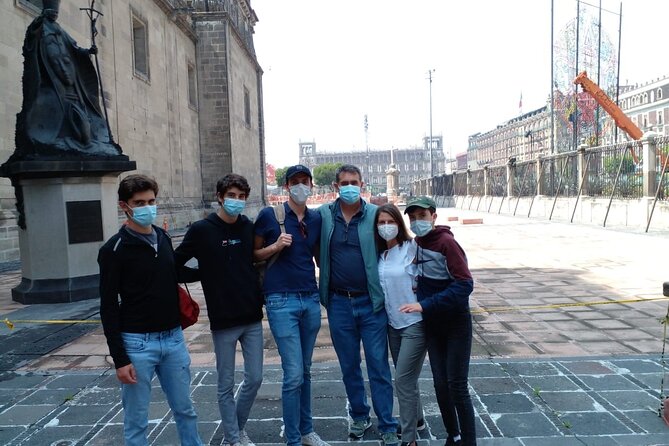
The route continues to a handsome square near the National Art Museum and the statue of El Caballito, showing Charles IV on horseback. The statue’s pose and location create a strong city-center view, with major buildings gathered around an open public space.
This is one of those stops where your guide adds the most value. On your own, you might photograph the statue and move on. With an explanation of who Charles IV was and why the statue matters, the square becomes part of a larger story about Spanish rule, public monuments, and Mexico’s changing identity.
The plaza is also a good place to pause briefly and look around. The tour does not list a separate admission ticket here, so the focus is on the exterior setting and the guide’s explanation.
A different sort of day out around Mexico City:
- Teotihuacan pyramids morning or afternoon without tourist traps
★ 5.0 · 6,186 reviews - Teotihuacan Early Access Guided Tour with optional Lunch
★ 4.5 · 6,138 reviews - Balloon flight + pick up in CDMX + Breakfast in Cave + Pyramids
★ 5.0 · 5,651 reviews - Balloon Flight + Cave Breakfast + Pick Up from CDMX or We Fly
★ 5.0 · 4,410 reviews
Palacio de Minería and the Blue-and-White House of Tiles
Palacio de Minería receives only about five minutes, but it carries a lot of historical weight. Built in 1797, the building was originally a mining school and is among the oldest structures in the city.
A five-minute stop is enough to admire the exterior and learn why the building was created. It is not enough for a full architectural visit, so consider this a preview. If colonial-era buildings and academic institutions interest you, you may want to mark it for a later, slower look.
The House of Tiles receives about 15 minutes and offers a sharper visual contrast. Its blue-and-white tiled facade is its defining feature, while the interior includes murals, frescoes, and sculptures.
This stop works well for travelers who enjoy architecture but do not want a lecture that stays only in textbooks. Your guide can connect the building’s decoration to Mexico City’s layered past, while you get time to appreciate the tilework and take pictures.
The tour information lists admission as included at this stop. Even so, ask your guide what access is available on the day, since some sites in the central district have changed their entrance arrangements or may charge fees. The most useful guides, including Ricardo, have been praised for explaining these changes clearly.
Pastelería Ideal Turns History Into a Tasting
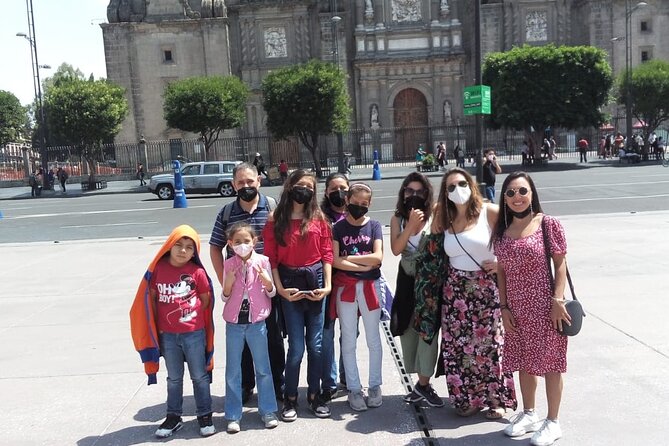
Pastelería Ideal is a welcome change of pace after several historic buildings. This traditional pastry shop lets you learn about Mexican baking and try the goods yourself.
The stop lasts about 10 minutes, so the tasting is brief. You will not get a full food tour, but you do get a sensory break and a chance to connect local food with everyday life. I like this inclusion because it keeps the tour from becoming a march between monuments.
If you have a sweet tooth, this may be one of the most memorable stops. If you prefer savory food, it is still a useful introduction to a Mexican institution and the role of pastry shops in city culture.
The exact items available can vary, so do not book this expecting one guaranteed pastry. Treat it as a small taste of local baking rather than a meal.
Templo Mayor Puts Aztec Mexico Under Your Feet
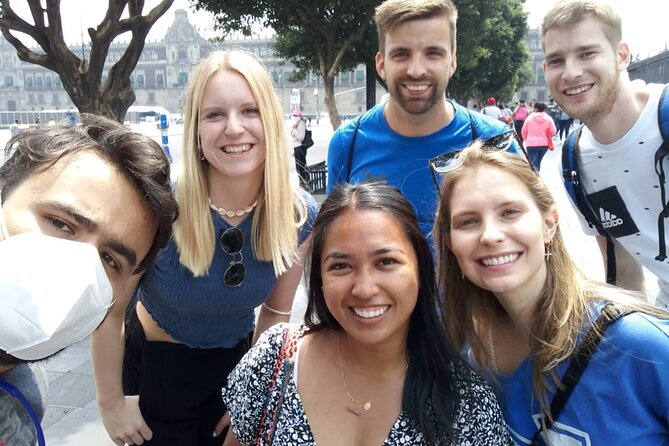
Museo del Templo Mayor brings you to a real Aztec ruin in the middle of the modern city. The contrast is striking: traffic, shops, government buildings, and daily city life surround the remains of an ancient civilization.
The listed stop is only about five minutes, with no admission ticket included. That tells you how to use it. Your guide will explain the importance of the ruins and the ancient civilizations of Mexico, while you get a quick look at the site.
Do not confuse this with a full museum visit. If Templo Mayor interests you, return independently with more time. The guided stop is valuable because it gives you the basic context first, helping you understand what you see when you come back for a longer visit.
This is also a good example of why a private guide can improve a short tour. Archaeological remains in a modern city can be hard to read without explanation. A clear account of what you are seeing turns scattered stones and foundations into part of a larger story.
Zócalo, the Center of the Center
The Zócalo is the tour’s largest public space and receives about 20 minutes. It is described as the biggest square in this hemisphere and the second biggest in the world, making it an important civic setting as well as a major landmark.
The square helps you understand Mexico City’s scale. It is not just a plaza surrounded by buildings. It is the symbolic center of the capital, a place tied to government, religion, public gatherings, ceremonies, protests, and national life.
This is one stop where conditions can change the experience. Demonstrations and parades have blocked access in the past, and large crowds can make the center difficult to cross. Guides have adapted by meeting groups elsewhere, using the subway, changing the walking route, or guiding them to a more practical pickup point.
That flexibility is valuable, but you should keep your schedule sensible. Do not place a tight flight connection immediately after this tour, especially if the city center is hosting a public event.
The Metropolitan Cathedral Finishes With Big Stories
The final major stop is Mexico City Metropolitan Cathedral, described as the country’s most important church. The tour allows about 20 minutes, giving your guide time to explain the building’s role and the many stories connected with it.
This is a strong ending because it brings together several themes from the walk: religion, colonial rule, public power, architecture, and the layers of Mexico City built over earlier civilizations.
As with other central sights, the amount you see inside depends on access that day. Some people will want to return for a longer look. The tour gives you an informed first encounter rather than a complete church visit.
The activity finishes back at the Bellas Artes meeting point. Since no private transportation is included, you should plan your onward route from there using public transportation, a taxi, or a ride service.
How Much Walking and Flexibility Should You Expect?
Although the official duration is about two hours, the route covers many nearby landmarks on foot. One longer outing resulted in more than 10,000 steps, so wear comfortable shoes and expect city sidewalks, crowds, and frequent stops.
The pace can be adjusted because the tour is private. Ari was praised for offering a slower pace, while other guides spent extra time answering questions or waiting for late members of a group. That does not mean every departure will run longer, but it shows why private touring can be more forgiving than a fixed group schedule.
You should also tell the guide what matters to you. If you care most about architecture, ask for more detail at Bellas Artes, Palacio Postal, Palacio de Minería, or the House of Tiles. If food interests you, ask questions at Pastelería Ideal and request restaurant suggestions for afterward.
Public events are the main wild card. A demonstration once made it impossible to reach the normal meeting point, but the guide helped the group navigate by subway. Another guide dealt with a parade and redirected the group toward transportation outside the most crowded area.
Price, Value, and Who Should Book
At $35 per person, this tour offers good value if you want a private introduction rather than a long list of facts delivered to a crowd. The guide, WhatsApp support, and private format are included, while private transportation is not.
The value improves for couples, families, or small groups who plan to ask questions and use the advice for the rest of their stay. Group discounts may make the cost more attractive when several people book together.
I would not choose this tour if you want extended museum time, a vehicle-based sightseeing route, or a food tour with many tastings. The two-hour length is best for orientation. You see the major points, learn what deserves a return visit, and leave with a better plan for Mexico City.
It suits first-time visitors, families, couples, and anyone who wants help making sense of Centro Histórico. It is also useful for people with limited time who need a concentrated introduction.
The tour is offered in English, and guides have been praised for clear communication and strong command of the city’s history and culture. Brenda, Diana, Daniel, Rosa Maria, Joss, Ricardo, Alejandro, Ernesto, Ari, Galy, and Jesus have each been singled out for qualities such as warmth, patience, good recommendations, flexibility, and enthusiasm.
Free cancellation is available if you cancel at least 24 hours before the start time. The activity is near public transportation, service animals are allowed, and most people can participate.
Should You Book This Mexico City Tour?
Book it if you want a private, compact orientation to Mexico City’s historic center, especially at the start of your trip. The combination of major buildings, Templo Mayor, the Zócalo, the cathedral, and a pastry tasting gives you more variety than a standard monument walk.
Skip it if you already know Centro Histórico well or want to spend serious time inside museums. For most first-time visitors, though, $35 buys a useful first map of the city, personal guidance, and practical ideas for what to do next.
FAQ
How long does the private Mexico City tour last?
The tour lasts approximately two hours.
What language is the tour offered in?
The tour is offered in English.
Where does the tour begin?
The tour begins at Palacio de Bellas Artes, at Av. Juarez S/N in Centro Histórico, Mexico City.
Where does the activity finish?
The tour ends back at the meeting point at Palacio de Bellas Artes.
Is private transportation included?
No. Private transportation is not included. The activity is a walking tour that takes place near public transportation.
Does the tour include a pastry tasting?
Yes. At Pastelería Ideal, you learn about Mexican baking and get to try baked goods.
Are admission tickets included at every stop?
No. Admission treatment varies by stop. Several locations are listed as free, while Palacio de Minería and the House of Tiles are listed with admission included. Some sites may charge an entrance fee, and museums may be closed on Mondays.
Can I cancel for a full refund?
Yes. You can cancel at least 24 hours before the local start time for a full refund. Cancellations or changes made less than 24 hours before the start time are not accepted for a refund.
Just added around Mexico City
- Teotihuacan & Anthropology Museum, Templo Mayor & City Tour★ 4.5 · 109 reviews
- Mexico Private Food Tour With Locals Including 10 Tastings★ 4.5 · 109 reviews
- THE REAL CDMX: Under the skin of the city★ 5.0 · 111 reviews
- Mexico City: Mexican Folklore Ballet★ 4.5 · 111 reviews
- Teotihuacán plus Bike Tour★ 5.0 · 114 reviews
- Bike to taste the world’s best tacos – Mexico City★ 5.0 · 116 reviews
- EXCLUSIVE TOUR Chapultepec Castle – Small Groups★ 5.0 · 117 reviews
- Balloon flight with private transportation and guided tour to Teotihuacán★ 5.0 · 118 reviews
City Tours, compared.
Teotihuacan, Tlatelolco & Guadalupe Shrine Tour
Read our review →
Teotihuacan Hot Air Balloon Flight from Mexico City / Volare
Read our review →


The best tour to Teotihuacán from Mexico City
Read our review →
Browse the lists this tour appears in