
Reviewed · CITY TOURS
Mexico City: Mystika Inmersivo Entrance Ticket
Mexico, seen through sound and light. Mystika Inmersivo turns Mexican nature into a short, highly visual art show built around seven rooms, music, projection, and photography. I like its focus on places such as the Lacandona Jungle, Tulum, Chichén Itzá, and the monarch butterfly, rather than generic digital effects.
I also like the horse room, which gives the presentation an emotional center, and the large photo gallery with more than 45 print formats. The main drawback is the one-hour running time: at $26 per person, the ticket offers a polished indoor attraction, but it may feel costly if you prefer museums with more history and objects to examine.
In This Review
- Key points to know before you go
- What Mystika Inmersivo is trying to do
- Starting with Mexico’s natural sanctuaries
- The horse room and its personal message
- A surreal passage through the Lacandona Jungle
- The monarch butterfly tribute
- Tulum beneath a starry sky
- Chichén Itzá brings the show to a quiet close
- The three videowalls and photo gallery
- Is one hour enough for $26?
- Getting there and making the visit easy
- Who will enjoy Mystika most?
- Should you book Mystika Inmersivo?
- FAQ
- Where does Mystika Inmersivo take place?
- How long does the visit last?
- How many rooms are included?
- Is the information available in English?
- Can I take photographs?
- Is Mystika wheelchair accessible?
- Are children allowed, and do young children pay?
Key points to know before you go
- Seven rooms create one connected story: Each space moves from Mexican nature and horses toward personal reflection.
- The infinite-mirror room is made for photographs: You can create striking family and group pictures, though flash and professional cameras are not allowed.
- The horse section is the emotional high point: It centers on the healing and spiritual power of horses, with a release theme that has made a strong impression.
- The final rooms look toward Tulum and Chichén Itzá: A 360-degree dome, stars, and projected ruins give the visit a calm closing mood.
- English access is built in: Text and information are available in both Spanish and English, and hosts or greeters may speak either language.
- Plan for an indoor, air-conditioned visit: Chairs are available for seniors, the site is wheelchair accessible, and children under five enter free with an adult.
What Mystika Inmersivo is trying to do
Mystika is the work of visionary artist Pepe Soho, and it asks you to spend less time studying individual objects and more time responding to images, sound, and mood. The central idea is a personal return to nature, told through Mexican places and symbols.
This is not a traditional museum with a long timeline, glass cases, or detailed historical displays. Instead, you move through seven designed settings that use projections, music, mirrors, animation, and a 360-degree dome. The result is closer to a visual meditation with photo opportunities than a standard sightseeing stop.
I find that distinction important when judging the $26 price. If you want a compact break from city streets, an air-conditioned room, and bold images for your camera roll, the ticket can make sense. If you want archaeological context about Tulum or Chichén Itzá, you will need a separate museum or site visit.
The presentation works best when you arrive with an open mind. One short assessment described the story and artwork as thought-provoking but specifically advised visitors to keep their minds open. That is useful advice. The show uses symbolism and feeling more than straightforward explanation, so you may connect with some rooms more than others.
A few more reviews worth comparing before you book
- Teotihuacan, Guadalupe Shrine & Tlatelolco Day Tour with Lunch
★ 5.0 · 11,603 reviews - Xochimilco, Coyoacan and Frida Kahlo with Optional Lunch
★ 4.5 · 7,320 reviews - Balloon flight + Breakfast in cave + Pyramids + Pick up CDMX.
★ 5.0 · 6,335 reviews
Starting with Mexico’s natural sanctuaries
The first part of the visit introduces Mexico through images of impressive natural sanctuaries. The attraction does not simply show a photograph on a wall. It surrounds you with a designed audiovisual setting, so the size of the images and the music help make nature feel present in the room.
This opening gives you the basic language of the show: you are not just looking at a forest, animal, or monument from a distance. You are being asked to pause and consider your place within it. The idea may sound lofty, but the short format keeps it from becoming a long lecture.
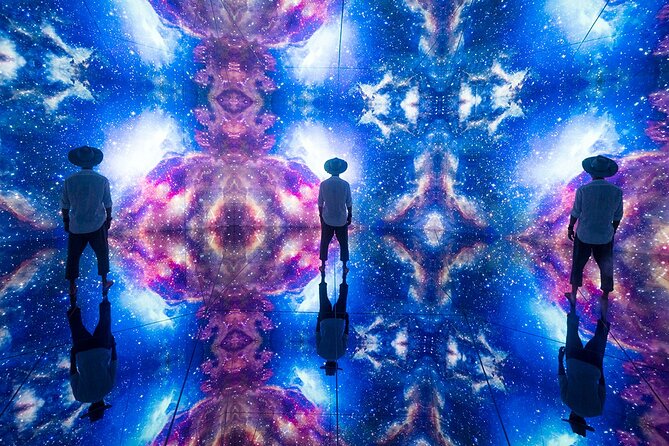
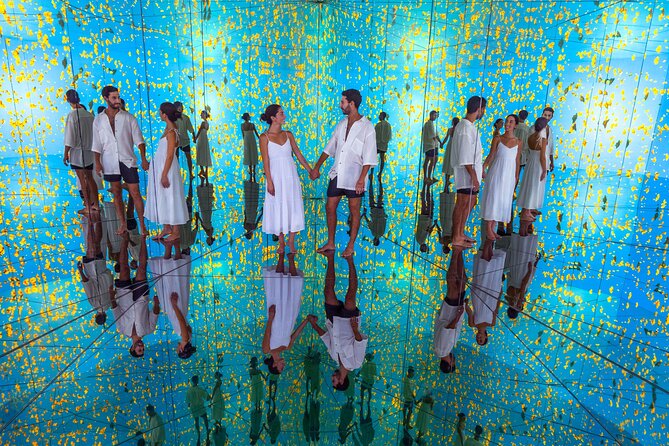
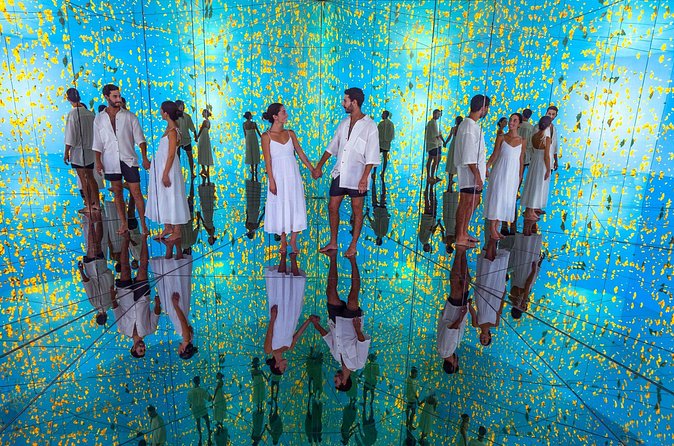
A room with infinite mirrors carries that idea in a more direct way. Reflections multiply the surrounding imagery and your own figure, creating the sort of setting that works especially well for selfies, couples, and family pictures. I would allow a little extra time here, since you will probably want to change positions and try more than one photograph.
The rules matter for photography. Flash is not allowed, and professional cameras are prohibited, so plan to use a phone or a permitted personal camera without extra equipment. That limitation keeps the rooms less distracting and makes the visit easier for ordinary picture taking.
The horse room and its personal message
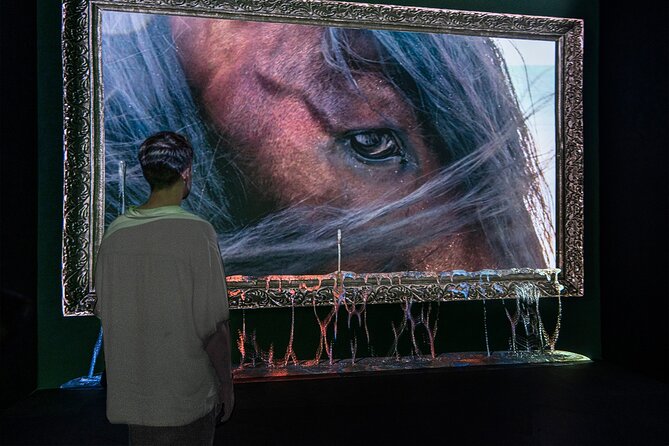
The horse section shifts the tone. Rather than focusing only on forests, monuments, or sweeping scenery, it presents horses as a source of healing and spiritual strength.
This is one of the more personal parts of Mystika. You are encouraged to think about release, renewal, and your own connection with nature. The phrase liberation of the horses has become a particularly memorable part of the visit, and I can see why. Horses carry strong emotional meaning for many people, and the room gives the show a clear human focus.
You should not expect a live animal encounter. The attraction uses art, sound, and projected imagery to present the theme. That makes it suitable for an indoor city visit, but anyone hoping to ride or meet horses will find the subject symbolic rather than hands-on.
The room also shows how Mystika differs from a simple projection show. Its aim is not only to impress your eyes. Each setting tries to give you a feeling to carry into the next room. Some people will find that moving. Others may find the language a little abstract, especially if they prefer clear facts and direct narration.
A surreal passage through the Lacandona Jungle
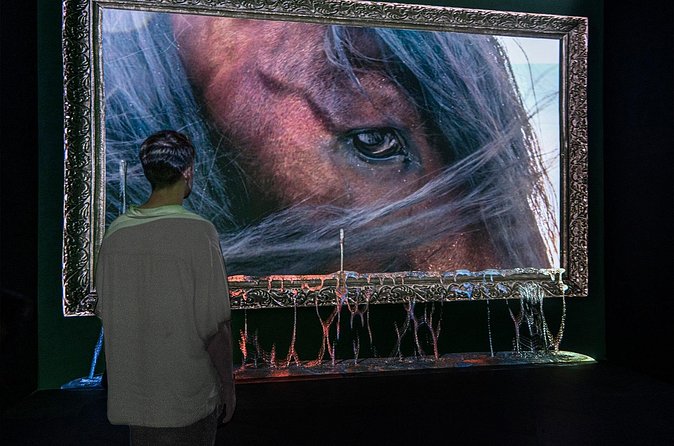
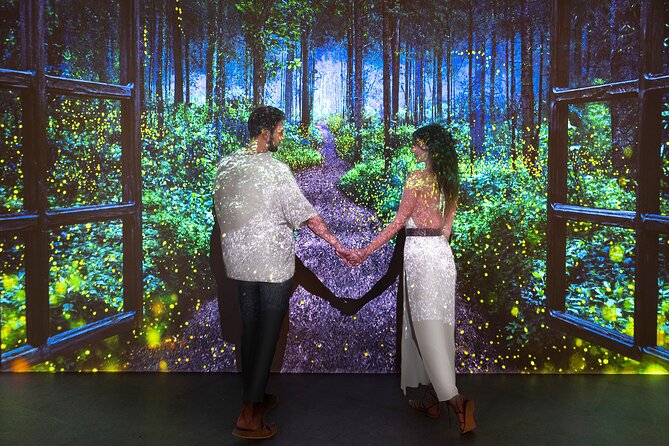
The Lacandona Jungle section brings a more dramatic visual change. Surreal scenes and multisensory sound create a forest setting that is less about geographic detail and more about atmosphere.
I like this stop because it gives the attraction a strong sense of place. The Lacandona Jungle is not used as a generic tropical backdrop. It is part of the show’s larger effort to connect you with Mexican natural spaces and the cultural feeling attached to them.
The word surreal is useful here. You might see the jungle presented in ways that do not try to copy a normal walk outdoors. Colors, motion, scale, and sound work together to create a dreamlike scene. That can be excellent for photographs, but the lighting may make some phone pictures difficult. Take a moment to watch before you keep snapping images.
This is also where the sensory design becomes more obvious. Music and animated visuals guide your attention, and the room asks you to respond emotionally rather than collect information. Since all text and information are offered in Spanish and English, language access should not be a major concern, but the artwork itself remains open to personal interpretation.
A different sort of day out around Mexico City:
- Teotihuacan pyramids morning or afternoon without tourist traps
★ 5.0 · 6,186 reviews - Teotihuacan Early Access Guided Tour with optional Lunch
★ 4.5 · 6,138 reviews - Balloon flight + pick up in CDMX + Breakfast in Cave + Pyramids
★ 5.0 · 5,651 reviews - Balloon Flight + Cave Breakfast + Pick Up from CDMX or We Fly
★ 5.0 · 4,410 reviews
The monarch butterfly tribute
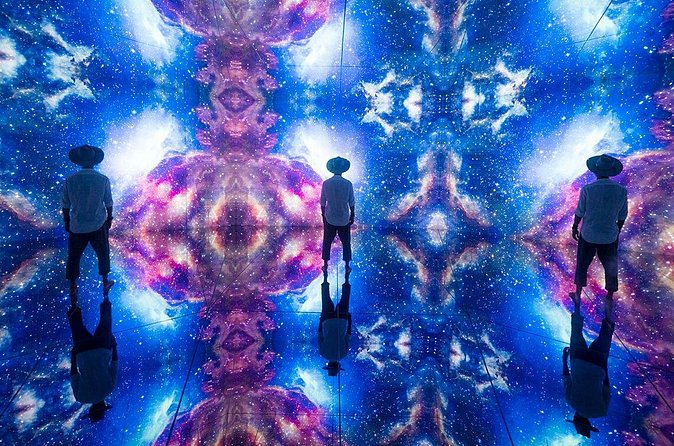
Another room pays tribute to the monarch butterfly. The butterfly is used as a symbol of change, movement, and personal transformation, which fits the show’s wider message.
The attraction asks you to see this transformation as something inward. You are not simply watching butterflies appear on a screen. You are encouraged to think about your own changes and your connection with the natural world.
This room may appeal most to visitors who enjoy symbolic art. It is less useful for someone seeking a detailed lesson about butterfly migration, since the information provided is part of an artistic presentation rather than a full natural-history exhibit. I would treat it as a visual pause and a chance to reflect, not as a substitute for a science museum.
The changing imagery also gives families a simple way to talk about the show. Younger children can respond to the colors and movement, while adults may focus on the themes of growth and renewal. All ages are welcome, and children under five enter free when accompanied by an adult at all times.
Tulum beneath a starry sky
The visit then turns to the ruins of Tulum. In a 360-degree dome, the site appears beneath a star-filled sky, giving the ancient setting a quiet, almost ceremonial mood.
This is a good example of Mystika’s strength and its limit. The dome can make you feel surrounded by the scene, and the overhead view changes the usual way you look at ruins. But it does not provide the physical scale, stone texture, or archaeological detail you would get at Tulum itself.
I would enjoy this room as a mood piece rather than a history lesson. It can give you a fresh visual memory of Tulum before or after a trip to the actual ruins, but it cannot replace standing among the remains and seeing the Caribbean setting with your own eyes.
The 360-degree format also makes this a room where you should look around rather than face one wall. Give yourself time to take in the ceiling and sides of the dome. A fast walk-through would miss much of what the room is designed to do.
Chichén Itzá brings the show to a quiet close
The final featured setting presents the pyramid of Chichén Itzá at night, surrounded by stars. The mood shifts toward calm, giving the visit a softer ending after the stronger sensory sections.
Like the Tulum room, this is an artistic view of a major Mexican site. The night setting removes the usual crowds and daylight details, allowing the pyramid to become a symbol of stillness and contemplation.
The closing invitation is to enter a state of peace and connect with your inner self. That will work for some people and feel overly earnest to others. Mystika does not hide its spiritual tone, so I would not choose it if you want a purely factual or lighthearted attraction.
Still, the order makes sense. The show begins with nature, moves through horses and jungle imagery, introduces the monarch butterfly as a symbol of change, and then settles into two famous archaeological settings. You leave with the attraction’s main message clearly in mind: nature is not scenery alone, and your relationship with it can shape your inner life.
The three videowalls and photo gallery
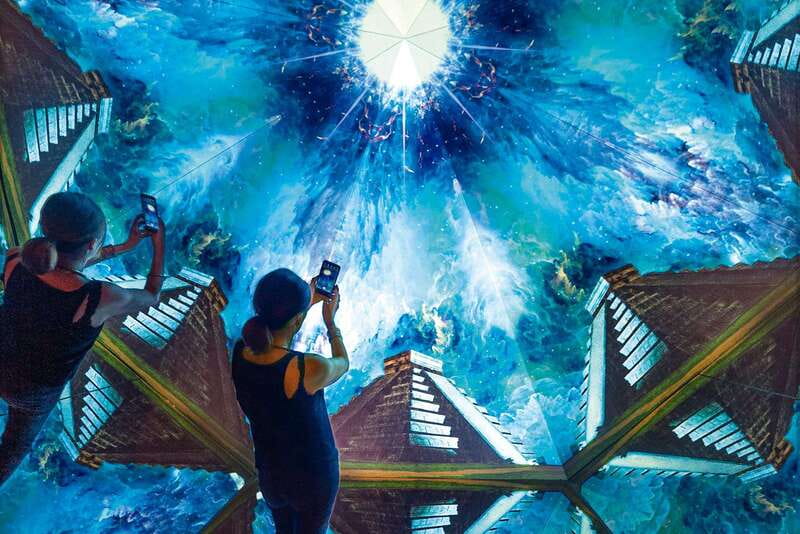
Alongside the seven main rooms, Mystika includes three videowalls with animated pieces by Pepe Soho. These add more of the artist’s visual style and give you another chance to stop, watch, and take pictures.
The photo gallery is a practical bonus. It contains more than 45 large print formats, so the visit is not limited to moving projections. If you like photographic art, this part may help you understand the images in a more fixed form.
I would not rush straight to the souvenir shop. Look through the gallery first, since the printed work gives you a quieter way to consider what you have just seen. The shop is included as part of the venue, but purchases are not included in the $26 admission.
For casual photographers, this attraction is friendly but not unrestricted. You can take personal photos, but no flash and no professional cameras are permitted. That means your phone is the sensible tool. The infinite mirrors and dome should give you plenty to photograph without needing specialist equipment.
Is one hour enough for $26?
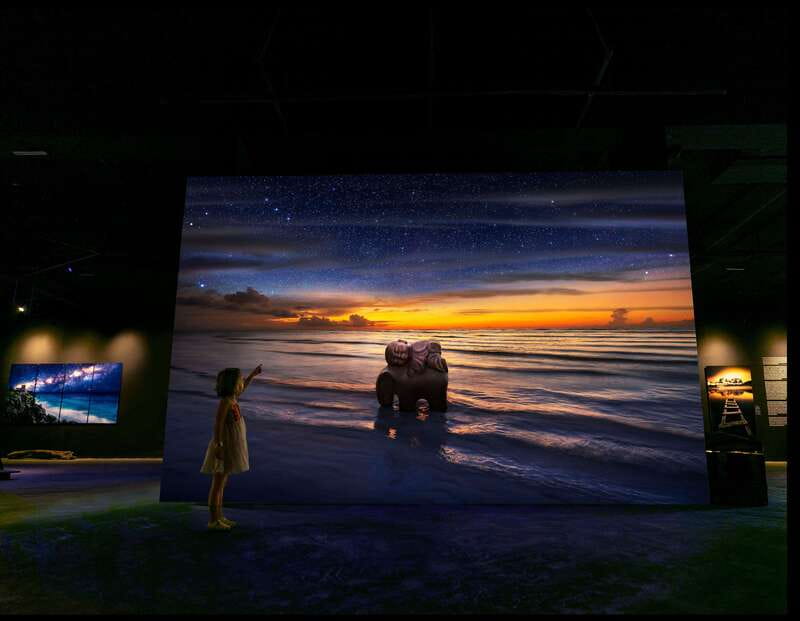
The stated duration is one hour, which is enough for a compact visit through seven rooms. I see this as both a benefit and a limitation.
The benefit is easy to understand. You can fit Mystika into a busy Mexico City day without giving up half your afternoon. It is also a useful choice when hot weather, rain, or tired feet make an indoor stop welcome. Air conditioning helps, and chairs are available for seniors.
The limitation is value. At $26 per person, you are paying for a carefully produced visual attraction rather than a long visit. If you move quickly, the ticket may feel expensive. If you stop for photos, watch the videowalls, read the bilingual information, and let the rooms work on you, the hour will feel more substantial.
I would compare the price with your interests, not just with the clock. The ticket is easier to justify for couples, families, photography fans, and people who enjoy contemporary digital art. It is harder to justify for visitors who measure value by the number of historical facts, objects, or hours inside a venue.
Getting there and making the visit easy
Mystika is located in the building called Torre Cuarzo. You must exchange your voucher at the Mystika counter on the building’s ground floor before entering.
Transportation is not included, so you need to arrange your own way to the building. Food and drinks are also not included, and there is no audio guide. On the helpful side, information and text are provided in Spanish and English, and the host or greeter service can be in either language.
The venue is indoors and air-conditioned. It is wheelchair accessible, and chairs are available for seniors. Pets are not allowed, except for assistance dogs.
You should also leave alcohol and drugs at home. The venue prohibits both, along with flash photography and professional cameras. These are simple rules, but knowing them beforehand avoids a frustrating start.
Free cancellation is available up to 24 hours before the scheduled visit, and the reserve-now, pay-later option can help you keep plans flexible. Check the available starting times before you commit, since the one-hour visit depends on the time slots offered.
Who will enjoy Mystika most?
I would recommend Mystika to you if you like art that works through sound, image, movement, and mood. It is particularly well suited to people who want memorable pictures, families looking for an easy indoor activity, and couples who enjoy a shared visual experience.
It also fits visitors who have already seen Mexico’s major archaeological sites and want a fresh, modern interpretation of Tulum or Chichén Itzá. The show does not replace those places, but it can prompt you to think about them differently.
You may want to skip it if you need a detailed account of Mexican history, a traditional museum collection, or a live nature encounter. The spiritual language may also feel too serious if you prefer attractions built around jokes, rides, or simple spectacle.
The overall rating of 4.7 from 61 reviews points to strong satisfaction, but the individual reactions show why expectations matter. One person found the story interesting and the images thought-provoking, while another simply described the visit as incredible. A third singled out the horse liberation section and found nothing to improve. Those responses fit the attraction well: its strongest moments are emotional and visual, not factual.
Should you book Mystika Inmersivo?
Book it if you want a one-hour indoor art stop with seven rooms, Mexican nature themes, strong photo settings, and a calm spiritual finish. The horse room, infinite mirrors, Lacandona Jungle, and starry dome are the parts I would value most.
At $26, I would consider it a worthwhile add-on rather than a main Mexico City sightseeing day. Go with an open mind, allow time for photographs, and do not expect a replacement for Tulum, Chichén Itzá, or a natural-history museum. If that sounds like your kind of afternoon, Mystika offers a polished and distinctive break from the usual city itinerary.
FAQ
Where does Mystika Inmersivo take place?
It takes place in the Torre Cuarzo building in Mexico City. You must exchange your voucher at the Mystika counter on the building’s ground floor.
How long does the visit last?
The stated duration is one hour. Starting times vary, so check availability when choosing your visit.
How many rooms are included?
General admission includes access to seven immersive rooms, along with three videowalls featuring animated pieces by Pepe Soho.
Is the information available in English?
Yes. All text and information are available in both Spanish and English. Hosts or greeters may also speak Spanish or English.
Can I take photographs?
Yes, personal photography is allowed. Flash photography and professional cameras are not allowed.
Is Mystika wheelchair accessible?
Yes, the venue is wheelchair accessible. Chairs are available on site for seniors.
Are children allowed, and do young children pay?
All ages are welcome. Children under five enter free, but they must be accompanied by an adult at all times.
Just added around Mexico City
- Neon Bike Party – Private Bike Tour★ 4.5 · 34 reviews
- Private Tour with Archaeologist and VR Experience at Teotihuacan★ 5.0 · 34 reviews
- Mexico City: Full-Day Taxco and Cuernavaca Tour★ 4.1 · 34 reviews
- Food and Historic Walking Tour: Private Tortilla Crawl in Mexico City Downtown★ 5.0 · 35 reviews
- Guided tour EN Teotihuacan – Breakfast EN cave-round transport★ 5.0 · 35 reviews
- Xochimilco, Coyoacan and Frida Kahlo Museum Tour★ 3.5 · 35 reviews
- Xochimilco: amanecer en kayak Ciudad de México★ 5.0 · 35 reviews
- Full-Day Private Tour of Mexico City: Teotihuacan and Xochimilco★ 5.0 · 35 reviews
City Tours, compared.
Teotihuacan, Tlatelolco & Guadalupe Shrine Tour
Read our review →
Teotihuacan Hot Air Balloon Flight from Mexico City / Volare
Read our review →

The best tour to Teotihuacán from Mexico City
Read our review →
Browse the lists this tour appears in