
Reviewed · MUSEUMS
Mexico City: Anthropology Museum Guided Visit
The museum can swallow a whole day. This 2.5-hour guided visit gives you a clear route through Mexico’s greatest collection of indigenous art and archaeology. I like the way a guide turns isolated objects into a connected story, and I like the free time afterward, which lets you return to the rooms that catch your eye. The main drawback is price: at $67, it costs far more than museum admission alone.
Meet your guide at the flagpole beside the main entrance at 8:50 am. English and Spanish tours are offered, private groups are available, and you can cancel up to 24 hours ahead for a full refund. If you want a fast, useful introduction before visiting sites such as Teotihuacan, this tour makes sense. If you prefer to read every label and move at your own pace, the short guided format may feel brisk.
In This Review
- Key points for your Mexico City museum visit
- Why the National Museum of Anthropology matters
- Meeting at the flagpole at 8:50 am
- The first rooms: tools, clay, and daily life
- Connecting Maya, Aztec, Zapotec, and Teotihuacan cultures
- The Stone of the Sun and the museum’s major sights
- Free time after the guided route
- What the guides add to the experience
- Is $67 a fair price?
- Timing, language, and practical planning
- Who should book this guided museum visit?
- Should you book the Anthropology Museum tour?
- FAQ
- Where does the Anthropology Museum tour begin?
- What time should I meet the guide?
- How long does the tour last?
- Is museum admission included?
- Is transportation included?
- Are food and drinks included?
- What languages are available?
- Can I book a private group?
- Is a family tour available?
- Can I cancel the tour for a refund?
Key points for your Mexico City museum visit
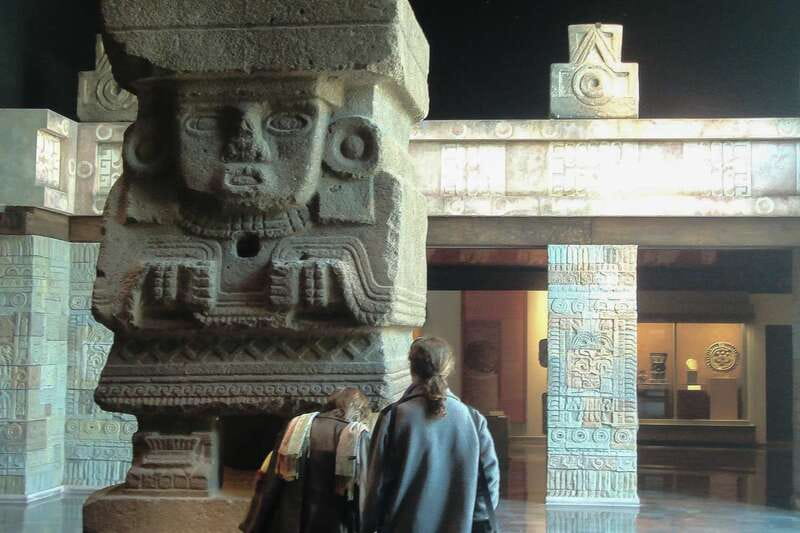
- The Stone of the Sun is the headline object, but the tour also gives attention to spear points, clay vessels, ritual objects, and other smaller pieces.
- A guide helps you make sense of a huge museum, especially since many exhibit labels are in Spanish only.
- The collection spans more than 10,000 years, from early hunting tools to the Maya, Aztec, Zapotec, and other Mesoamerican cultures.
- The route is designed around major highlights, saving you from wandering through room after room without a plan.
- Free time follows the guided portion, so you can revisit favorite displays or explore a different gallery.
- Guide quality is a major part of the value, with especially strong praise for Leonardo, Lili, Alan, Giovanna, Hector, Roberto, Alex Gonzales, and several others.
Why the National Museum of Anthropology matters
Mexico City’s National Museum of Anthropology is not a small stop you squeeze between lunch and a stroll. It is Mexico’s most popular museum, drawing about two million visitors a year, and it protects objects gathered from archaeological sites across the country.
That scale is both its strength and its problem. You can see evidence from broad stretches of Mexican history in one building, but the number of rooms can leave you unsure where to begin. I like starting with a guide because the museum becomes a timeline instead of a warehouse of impressive stone.
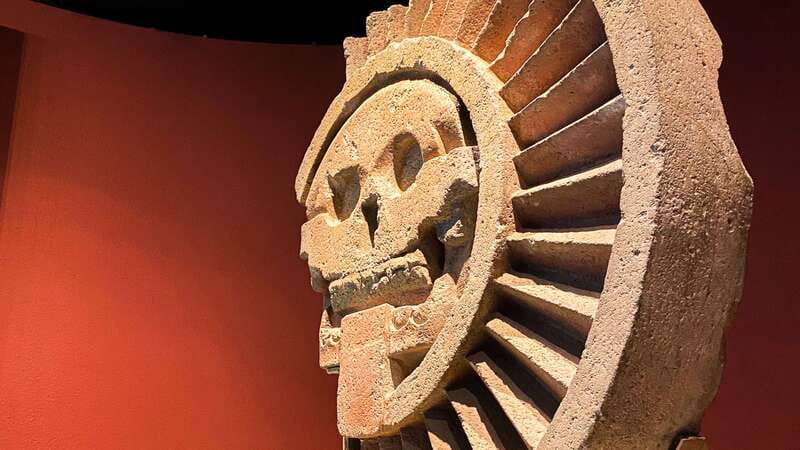
The subject is also bigger than famous Aztec objects. You learn how people hunted, cooked, worshipped, traded, built communities, and represented their gods. Small items matter here. A spear point may look simple beside a monumental sculpture, but it tells you about early hunters who lived on the continent more than 10,000 years ago.
The museum also presents Mexican indigenous cultures as complex societies, not as a single chapter called pre-Columbian Mexico. Maya, Aztec, Zapotec, Teotihuacan, and other traditions developed at different times and in different places. A good guide helps you keep those distinctions clear.
More Museum Tours in Mexico City
- CDMX: Xochimilco, Coyoacan, Frida Kahlo Museum & Murals Tour
★ 4.4 · 3,025 reviews - Chapultepec Castle & Anthropology Museum Tour
★ 4.5 · 1,348 reviews - Frida Kahlo VIP [Museum Tickets Included] Bike, Markets & Churros
★ 5.0 · 1,072 reviews
Meeting at the flagpole at 8:50 am
The meeting point is easy to identify: the flagpole next to the museum’s main entrance. You need to arrive in time to find your guide before the 8:50 am start, since the visit is built around an early, focused route through the building.
Entrance to the National Museum of Anthropology and the guide are included. Hotel pickup, transportation, food, and drinks are not included, so you need to make your own way to the museum and plan for anything you need during the morning.
The tour includes skip-the-ticket-line access. That matters most when the entrance is busy, since you can begin with the collection rather than spending part of your limited museum time waiting.
The advertised duration is 2.5 hours. In practice, some guides have finished closer to three hours, and one reported visit ran much longer. That may be welcome if you have no later plans, but I would avoid scheduling a tight appointment immediately afterward. Museum tours can run over when questions are good and the group is engaged.
The first rooms: tools, clay, and daily life
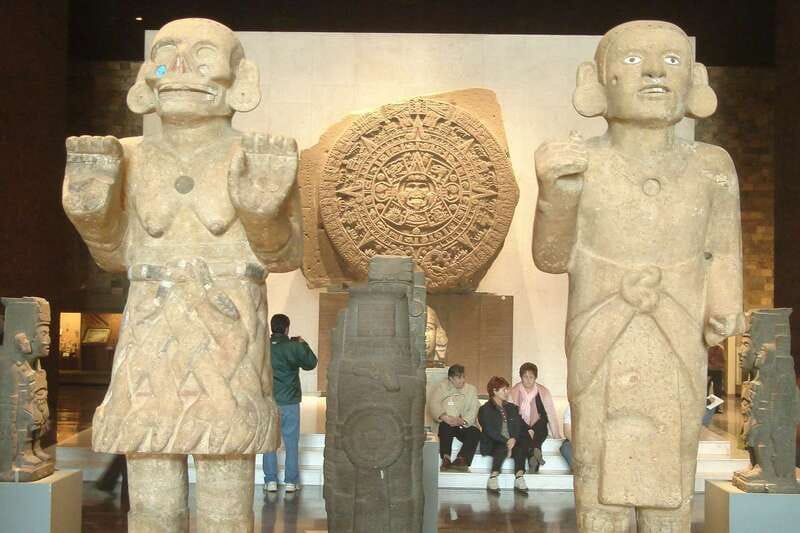
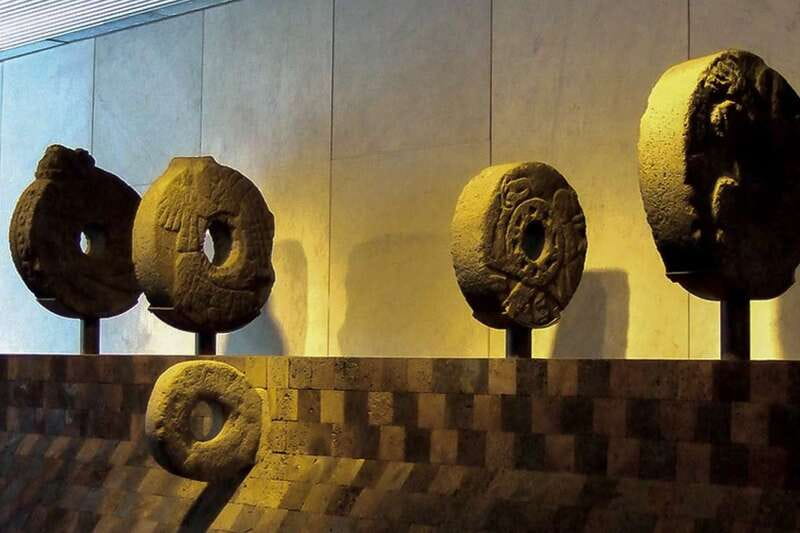
The tour begins with objects that are easy to overlook when you are hunting for famous masterpieces. Spear points show how early hunters worked with available materials and adapted to life thousands of years ago. Their small size makes them a useful reminder that archaeology is not only about giant monuments.
You also see basic clay pieces used in daily life. Some were practical objects, while others served symbolic or religious purposes. This is where a guide adds real value, explaining how an ordinary-looking vessel or figure fits into a culture’s beliefs and habits.
I appreciate this start because it gives you a human scale. Instead of beginning only with rulers and gods, you get a sense of how people lived. That context makes the later monumental pieces easier to understand.
The guide may also point out which objects are originals and which are replicas. Giovanna received specific praise for making that distinction clear, a useful service in a museum where reconstructions help explain sites and objects but can look very much like the real thing.
Connecting Maya, Aztec, Zapotec, and Teotihuacan cultures
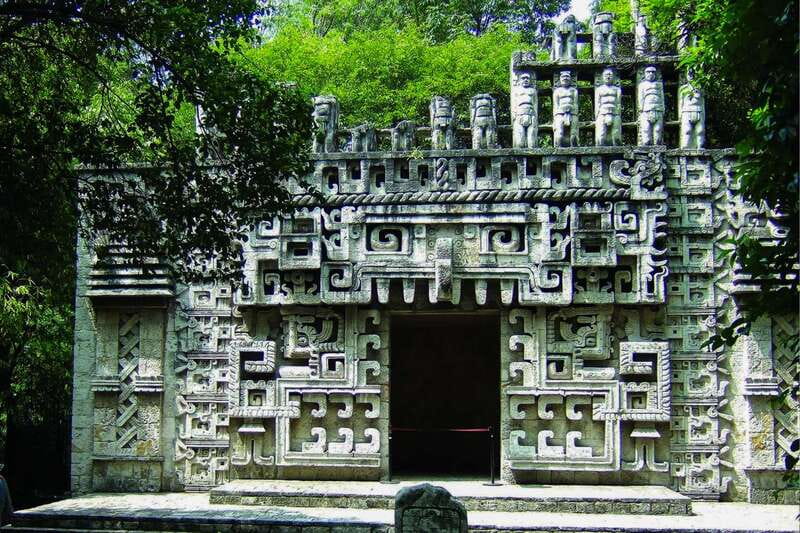
The central challenge of this museum is chronology. Mexico’s ancient cultures did not form one uninterrupted empire, and their dates, beliefs, and artistic traditions differ. A guide can keep you from blending the Maya, Aztec, Zapotec, and Teotihuacan worlds into one vague picture.
Several guides were praised for explaining the historical sequence in a clear way. Hector helped visitors build a workable timeline, while Alex Gonzales gave especially thorough attention to Aztec, Teotihuacan, and Maya objects. Antonio was praised for moving through the material chronologically while keeping the tone light enough to hold attention.
That combination matters. You receive facts, but you also receive a way to remember them. A guide might connect an object to a period, a culture, and a use, then explain how historians interpret it today. The goal is not to memorize every date. It is to leave with a framework that helps you understand the rest of your Mexico City sightseeing.
The museum also raises questions about how scholars interpret Mesoamerican development. The objects are not simply frozen evidence. Their meaning has been reconsidered as research changes, and a good explanation can show why one artifact matters beyond its appearance.
More galleries and collections:
- Anthropology Museum Guided Tour
★ 4.5 · 1,035 reviews - Frida Kahlo VIP [Museum Tickets Included] Walk, Markets & Churros
★ 5.0 · 982 reviews - EXCLUSIVE TOUR Frida Kahlo Museum – SMALL GROUPS
★ 5.0 · 901 reviews - Mexico City: Frida Kahlo Museum Entry Ticket w/Digital Guide
★ 4.5 · 683 reviews
The Stone of the Sun and the museum’s major sights
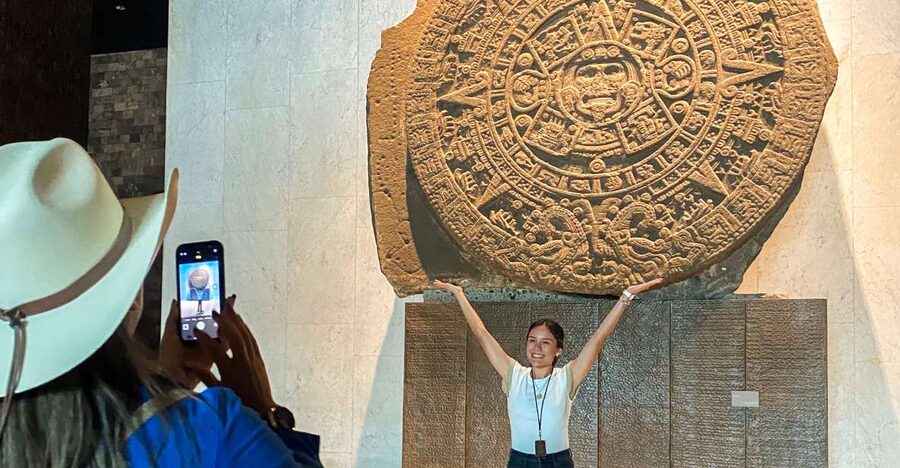
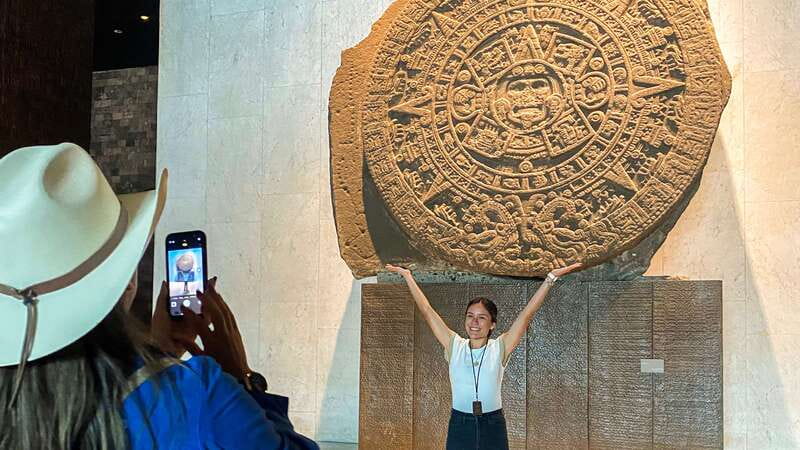
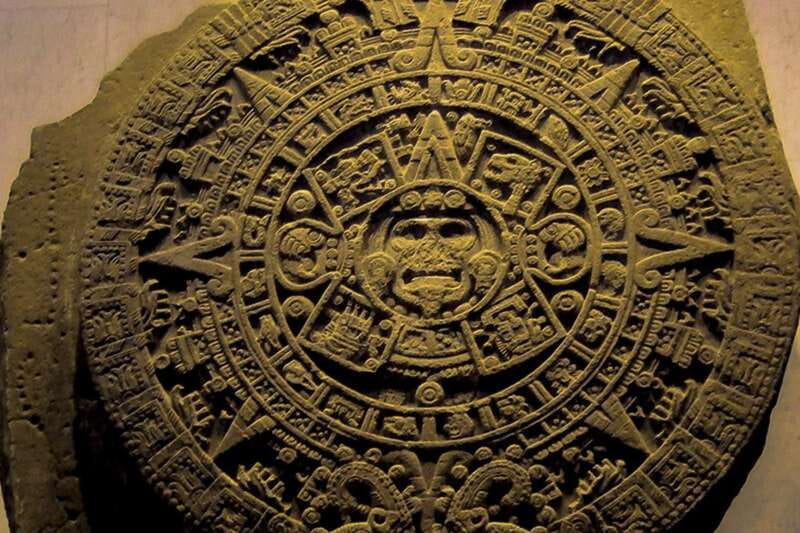
The Stone of the Sun, often called the Aztec calendar stone, is the best-known object on the route. It deserves the attention, but its fame can make the rest of the museum feel like supporting scenery if you are not careful.
Your guide explains the symbolism carved into the stone and places it within Aztec culture. That extra context is important because the popular nickname can oversimplify what you are seeing. Rather than treating it as a giant calendar alone, you get an explanation of its cultural and religious meaning.
The major objects are visually powerful, but the building contains far more than the headline pieces. A guided visit helps you spend your limited time on the displays that best explain Mexico’s ancient cultures. Isabella described this advantage well: the museum can feel overwhelming alone, while a guide selects important artifacts and explains the history connected to them.
You should expect a fairly active visit. You walk between rooms, stop for explanations, and keep moving so the group can cover the key areas. If you like examining every label for several minutes, you may feel rushed. If you want an organized introduction, the pace is a useful discipline.
Free time after the guided route
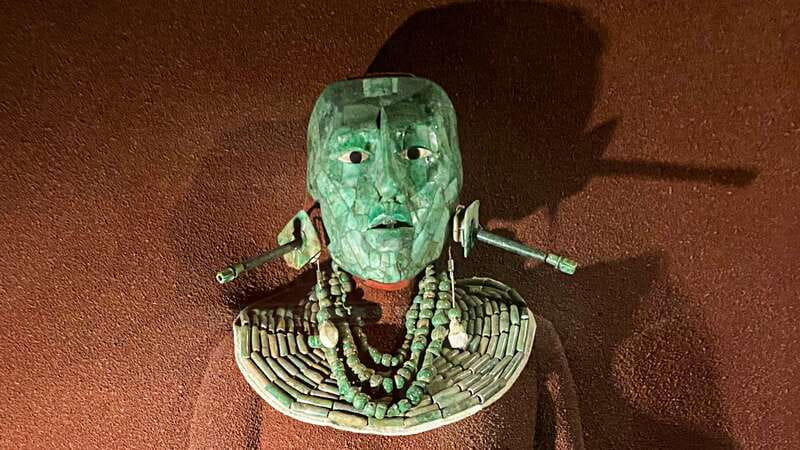
The official visit includes time to explore independently after the guided portion. This is one of the tour’s best features because the first pass gives you a map of the museum.
After hearing the main explanations, you can return to an object that interested you, spend longer in a room, or see displays the guide did not have time to cover. The museum is too large for a short tour to represent every collection fully. Treat the guided section as an introduction, not a complete museum visit.
One frequent practical point is that you should not expect to understand everything from the labels alone if you do not read Spanish. English-speaking visitors repeatedly valued the guide because exhibit descriptions are often in Spanish only. The spoken explanation fills that gap and gives you a chance to ask questions.
I would allow extra time after the tour if your schedule permits. The free period is not wasted time. It is when you can slow down and look closely without trying to keep up with a group.
What the guides add to the experience
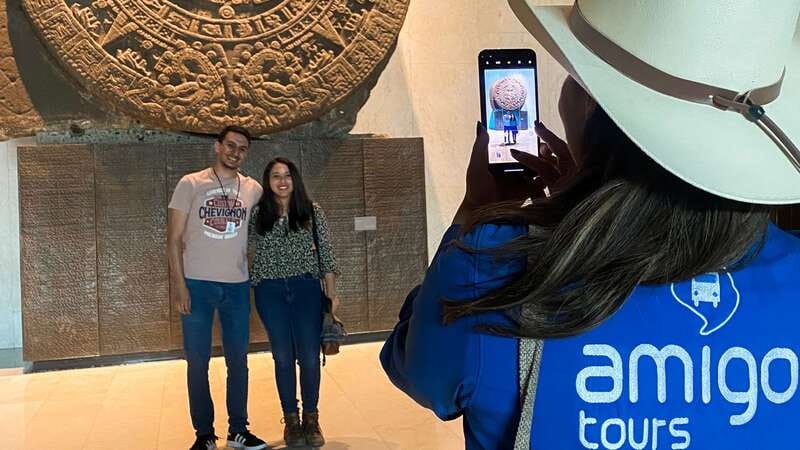
The guide is the heart of this activity. The strongest praise centers on clear explanations, enthusiasm, humor, and the ability to make a large collection manageable.
Leonardo was praised for communicating the meaning of fascinating exhibits and for answering questions. Lili received repeated praise for her passion, patience, clear speech, and ability to guide a group through the museum without losing the main thread. Alan was noted for connecting individual objects into a broader story and keeping a long tour engaging.
Other names that received warm praise include Giovanna, Hector, Roberto, Alex Gonzales, Antonio, Alicia, Geo, Sergio, Salvatore, Miguel, Nadia, Tona, and Bob. That long list suggests the operator has several guides who can make the visit work well, although you should understand that a particular guide cannot always be guaranteed.
Private group tours are available, and that option makes more sense if you have many questions or want a pace tailored to your family. One private-tour customer especially valued Roberto’s extra visual material and patience with questions. A family tour tailored to your needs is also available if that is the option you choose.
A shared group can cost less than a private visit, but it may limit how long you can stop at any one object. One account referred to a group of 20 people. Ask about the group format at booking if personal attention is important to you.
Is $67 a fair price?
At $67 per person, this is not the cheapest way to enter the museum. One visitor estimated admission alone at about 200 pesos, while the full activity cost roughly 1,100 pesos. That price difference deserves a careful look.
You are paying for more than the ticket. The main purchase is structure: someone selects the rooms, explains the objects, places cultures in order, and answers questions. For a museum this large, that can save hours of unfocused wandering.
I consider the price reasonable for a first visit if you speak limited Spanish, care about archaeology, or have only one morning in Mexico City. English labels are limited, and many objects need context to make sense. The guided route also prepares you for other archaeological stops, including Teotihuacan, which Mary found useful before visiting the site the next day.
The value is weaker if you are happy to explore slowly with a guidebook or audio material, or if you already know Mesoamerican history. You may find the group pace too fast, while the admission price on its own is much lower.
The private option costs more than a standard group visit, but it can be worth considering for families, serious history fans, or anyone who wants a question-led tour. The available information does not give a separate private price, so check the current amount before booking.
Timing, language, and practical planning
The tour is offered in English and Spanish. For English-speaking visitors, this is especially useful because many exhibit labels are in Spanish only. Clear spoken English was repeatedly praised, including by people who toured with Leonardo, Giovanna, Alan, Geo, and others.
The standard meeting time is 8:50 am at the flagpole. Check the available start time when booking because the activity page notes that times can vary. You should also keep your afternoon flexible enough to handle a tour that runs beyond the advertised 2.5 hours.
There is no hotel pickup or drop-off. You need to arrange transportation to and from the museum, and you should bring your own drink since food and drinks are not included. These are small details, but they matter during a walk through a very large building.
Free cancellation up to 24 hours before the tour gives you some flexibility. You can also reserve now and pay later, which helps if you are still arranging a Mexico City schedule.
Who should book this guided museum visit?
I would choose this tour for a first visit to the National Museum of Anthropology, especially if you have limited time. You get a sensible route and the broad historical outline before deciding which rooms deserve another look.
It is a strong fit for:
- First-time visitors to Mexico City
- English speakers who want more than Spanish-only labels
- Families looking for a tailored option
- Anyone interested in archaeology, religion, and ancient daily life
- People planning to visit Teotihuacan or other archaeological sites
- Visitors who find very large museums hard to navigate
I would think twice if you want complete freedom, dislike group pacing, or already have a firm plan for studying the collection on your own. The 2.5-hour route cannot cover everything, and the price is high compared with admission alone.
Should you book the Anthropology Museum tour?
Yes, if you want the museum to make sense quickly. The collection is huge, and the best guides turn a mass of stone, clay, and small tools into a readable story about people, belief, power, and daily life.
Book it for the guidance, not just the ticket. Aim to arrive early at the flagpole, allow extra time after the tour, and do not schedule an appointment too close to the advertised finish. If you have a special interest or a family group, check the private or tailored option.
For a short introduction, the $67 price can be justified. For a slow, independent museum day, buy admission on its own and keep the difference for another Mexico City experience.
FAQ
Where does the Anthropology Museum tour begin?
Meet your guide at the flagpole next to the main entrance of the National Museum of Anthropology.
What time should I meet the guide?
The stated meeting time is 8:50 am. Check the available starting time when booking because tour times can vary.
How long does the tour last?
The advertised duration is 2.5 hours. Some tours have lasted closer to three hours, so avoid making tight plans immediately afterward.
Is museum admission included?
Yes. Entrance to the National Museum of Anthropology is included, along with the guide.
Is transportation included?
No. Hotel pickup, hotel drop-off, and transportation are not included.
Are food and drinks included?
No. You need to arrange your own food and drinks.
What languages are available?
Live tours are available in English and Spanish.
Can I book a private group?
Yes. A private group option is available.
Is a family tour available?
Yes. A family tour tailored to your needs is available if you select that option.
Can I cancel the tour for a refund?
Yes. You can cancel up to 24 hours in advance for a full refund.
Just added around Mexico City
- Teotihuacan & Anthropology Museum, Templo Mayor & City Tour★ 4.5 · 109 reviews
- Mexico Private Food Tour With Locals Including 10 Tastings★ 4.5 · 109 reviews
- THE REAL CDMX: Under the skin of the city★ 5.0 · 111 reviews
- Mexico City: Mexican Folklore Ballet★ 4.5 · 111 reviews
- Teotihuacán plus Bike Tour★ 5.0 · 114 reviews
- Bike to taste the world’s best tacos – Mexico City★ 5.0 · 116 reviews
- EXCLUSIVE TOUR Chapultepec Castle – Small Groups★ 5.0 · 117 reviews
- Balloon flight with private transportation and guided tour to Teotihuacán★ 5.0 · 118 reviews
Museums, compared.

Xochimilco, Coyoacan, Frida Kahlo Museum & Murals Tour
Read our review →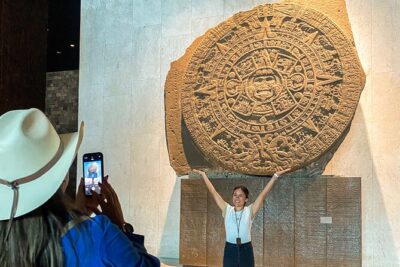
Chapultepec Castle & Anthropology Museum Tour
Read our review →![Frida Kahlo VIP [Museum Tickets Included] Bike, Markets & Churros](https://assets.mexicanguides.com/wp-content/uploads/frida-kahlo-vip-museum-tickets-included-bike-markets-churros-400x267.jpg)
Frida Kahlo VIP [Museum Tickets Included] Bike, Markets & Churros
Read our review →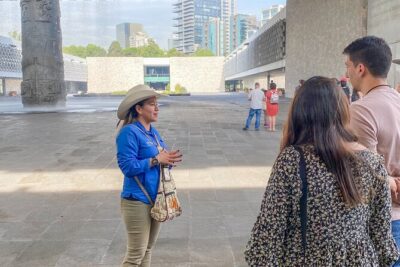
![Frida Kahlo VIP [Museum Tickets Included] Walk, Markets & Churros](https://assets.mexicanguides.com/wp-content/uploads/frida-kahlo-vip-museum-tickets-included-walk-markets-churros-400x267.jpg)
Frida Kahlo VIP [Museum Tickets Included] Walk, Markets & Churros
Read our review →
EXCLUSIVE TOUR Frida Kahlo Museum – SMALL GROUPS
Read our review →
Coba Multun-Ha Cenote Tulum and Mayan Museum Small Group
Read our review →
Frida Kahlo Museum Entry Ticket w/Digital Guide
Read our review →Browse the lists this tour appears in