
Reviewed · CHIAPAS TOURS
From San Cristóbal: Chamula and Zinacantán Guided Tour
Chiapas gets personal here. This five-hour trip from San Cristóbal de las Casas pairs the striking rituals of San Juan Chamula with the weaving traditions of Zinacantán, giving you a close look at Tzotzil Maya life. I especially like the chance to see women work on pre-Columbian waist looms and the rare visit inside Chamula’s church, where pine needles, candles, and Catholic and Maya practices meet. The $32 price also covers transport, a guide, and entrance fees.
The main consideration is that this is a guided cultural visit, not a free-roaming village day. The church requires respect and forbids cameras and video, while the Zinacantán stop can feel sales-focused to some people. Still, guides such as Miguel and Alonso have earned strong praise for clear English, warmth, and careful explanations.
In This Review
- Key points to know before you book
- Why Chamula and Zinacantán belong on your Chiapas plans
- San Juan Chamula and its remarkable church
- The short ride to Zinacantán
- Tortillas, coffee, pox, and a working cooperative
- What the $32 price really covers
- The guide can make or break the morning
- Timing, transport, and what to wear
- Who should book this half-day tour?
- Should you book Chamula and Zinacantán?
- FAQ
- How long does the Chamula and Zinacantán tour last?
- Where does the tour meet?
- How long do you spend in each town?
- Is transportation included?
- Are food and drinks included?
- Can you take photos or record video?
- What languages are available for the guide?
Key points to know before you book
- Chamula’s church is the emotional center: Expect a quiet, unusual religious setting filled with pine needles, candles, prayers, and local ritual.
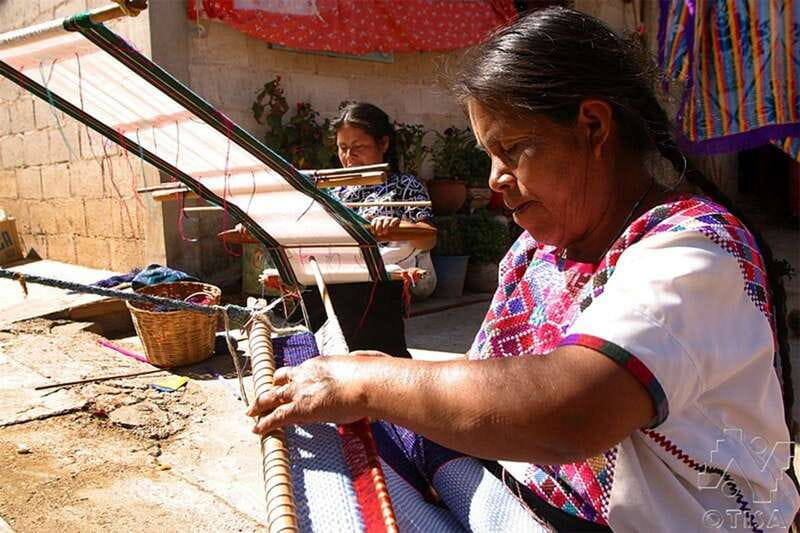
- Zinacantán brings living craft traditions into view: You can watch women use waist looms, taste handmade tortillas, and see a family cooperative at work.
- The tour is short but well packed: Allow five hours, including roughly 65 minutes in the van and three hours at the two towns.
- Tastings add local flavor: Pox, coffee, regional drinks, tortillas, cheese, and bean tacos may be offered, but food and drinks are not listed as included.
- The sales stop has both value and pressure: Textiles support local artisans, but prices can be two or three times higher than in town.
- Respect matters more than photos: No cameras or video recording are allowed, especially around religious ceremonies.
Why Chamula and Zinacantán belong on your Chiapas plans
San Cristóbal de las Casas is a good base for seeing the highland communities around the city. Chamula and Zinacantán are close enough for a half-day trip, yet their customs feel distinct from the colonial streets and cafés of San Cristóbal.
This outing works because the two stops balance each other. Chamula gives you a look at belief and ritual. Zinacantán focuses on clothing, food, craft, and home life. You are not simply checking off two towns. You are seeing two parts of a living Tzotzil Maya culture, with a guide helping explain what your eyes cannot easily interpret.
I like that the tour does not rely on a long, tiring road journey. The route begins at Al Grano Café in central San Cristóbal, then takes about 25 minutes by air-conditioned minivan to Chamula. After the guided visit, it is about 15 minutes to Zinacantán, followed by another 25-minute ride back to the café.
The timing leaves little room for wandering off alone, but that is also the point. A good guide can explain why a church looks so different, what the textiles mean, and how daily customs have changed. Several guides have been praised for doing exactly that, especially Miguel, Alonso, and Alfonzo. Your guide may be different, so treat those names as examples rather than a promise.
A few more reviews worth comparing before you book
- San Cristóbal: Canyon, Viewpoints & Chiapa de Corzo Tour
★ 4.7 · 231 reviews - San Cristóbal: Agua Azul, Misol Ha & Palenque Experience
★ 4.3 · 186 reviews - Tuxtla Gutierrez: Sumidero, Chiapa de Corzo and Miradores
★ 4.7 · 149 reviews
San Juan Chamula and its remarkable church
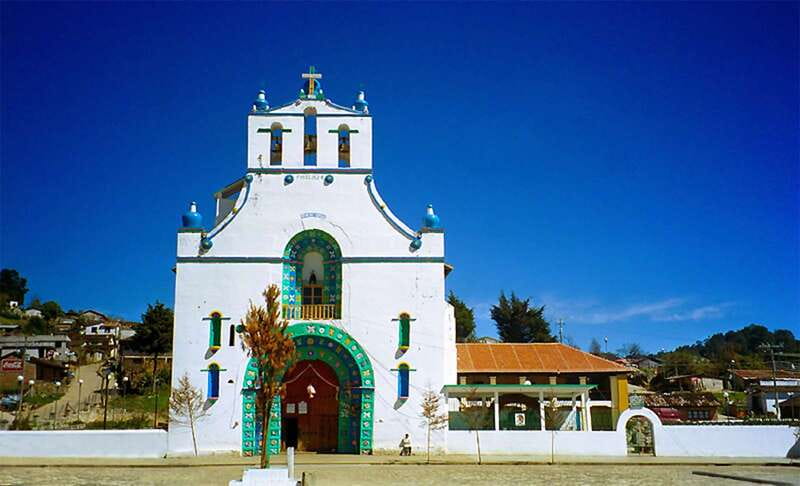
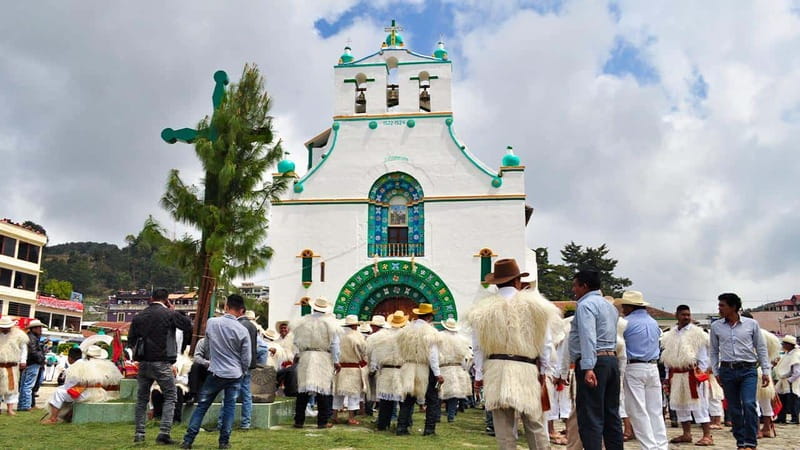
Your first major stop is San Juan Chamula, where the guided visit lasts about an hour and a half. The town is known for its Tzotzil Maya population and for traditions that combine Catholic forms with older local beliefs.
The church is the part you will remember. Inside, the usual rows of pews and large painted scenes are replaced by a much more intimate setting. Pine needles cover the floor, and candles burn across the space. People pray and carry out rituals in a calm, personal atmosphere.
I find this kind of place best approached with humility. You are not entering a staged show. People may be there for serious religious reasons, and the prohibition on cameras and video helps protect the setting. Keep your voice low, follow your guide’s instructions, and do not treat the rituals as a photo opportunity.
That restriction can frustrate anyone hoping to document the visit, but it also changes the way you experience the church. You look more carefully. You listen. You notice the smell of pine and wax instead of thinking about the next picture.
The guide’s explanation matters greatly here. Without context, you might see candles on the floor and wonder what you are looking at. With a strong English or Spanish guide, the visit becomes easier to understand without turning it into a lecture. Miguel has been singled out for explaining the church clearly in English, while Alonso and Alfonzo have been praised for switching between English and Spanish and making the tour accessible to mixed-language groups.
The church can also raise an ethical question. It may feel uncomfortable to watch people pray while you are present as an outsider. That concern is valid. The best way to handle it is to remember that you are entering a working place of worship, not an attraction built for sightseeing. Stay with the guide, observe quietly, and accept that some moments are not yours to record or inspect closely.
Beyond the church, the value of Chamula comes from the explanation of everyday life and local beliefs. The town is not presented simply as an old-fashioned community. You are shown the mix of contemporary life and long-held customs that makes the place different from San Cristóbal.
The short ride to Zinacantán
The drive from Chamula to Zinacantán takes about 15 minutes. That short transfer gives the tour a useful change of pace. After the quiet intensity of the church, you move toward craft, food, and household activity.
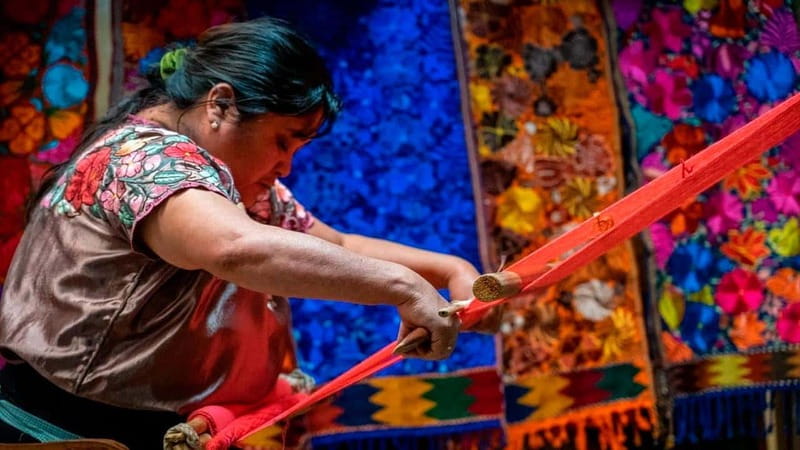
Zinacantán is also largely Tzotzil Maya. The visit centers on a church and a family cooperative, where women work with traditional waist looms. These looms are tied to pre-Columbian weaving methods and make the textiles more than simple souvenirs.
The demonstration is brief. That is worth knowing before you go. Some people have found the weaving presentation too quick and wanted more explanation. Others have found the cooperative welcoming and authentic, with women who appeared comfortable in their work rather than performing a polished tourist show.
I would treat this as an introduction, not a full weaving workshop. You will see the technique and have a chance to ask questions, but the schedule does not allow for a long lesson. If textiles interest you, pay attention to the movement of the loom and ask your guide to explain what you are seeing.
Tortillas, coffee, pox, and a working cooperative
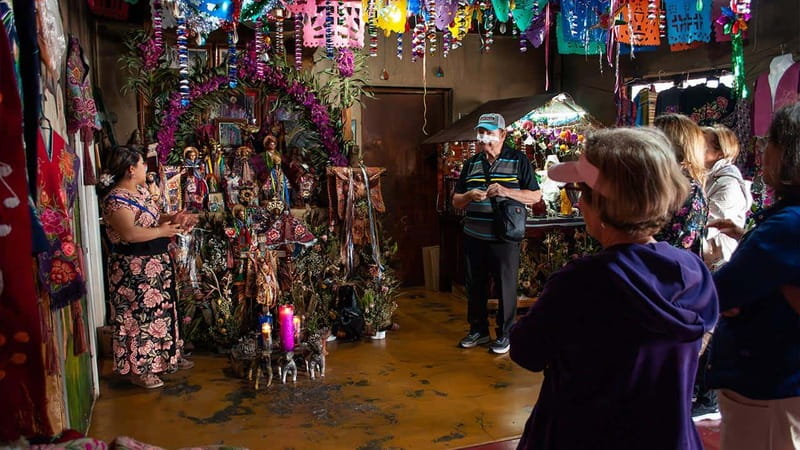
The family cooperative is the most hands-on part of the trip. You may be welcomed with a regional drink and invited into the kitchen to watch traditional handmade tortillas being prepared. Reports from the tour include coffee, cheese, bean tacos, and pox tasting.
Pox is a local liquor associated with Chiapas. A small tasting can add useful context, especially when the guide explains how it fits into local traditions. If you do not drink alcohol, you can simply decline. The important point is that this is a tasting stop, not a full restaurant meal.
The food samples are a real strength. Fresh tortillas and simple tacos connect the visit to daily life in a way that a quick textile display cannot. I like that you are not only looking at objects behind a counter. You are also seeing food preparation and sharing a small part of the household setting.
At the same time, food and drinks are officially listed as not included. You should not arrive expecting lunch. The tastings may be offered during the cooperative visit, but bring your own plan for a larger meal later, especially if you have dietary needs.
The cooperative also includes a sales component. That is not automatically a flaw. Buying a textile can support the women who make it, and the work is often careful and attractive. But you should know that prices may be about two or three times higher than prices for similar clothing in town.
That difference may reflect the cooperative setting, direct artisan support, quality, and the convenience of buying during the tour. It can still feel uncomfortable if the presentation spends too much time comparing this group with other producers or urging you to purchase. I suggest deciding in advance what you want to spend. Buy only what you genuinely like, and do not feel obliged to make a purchase because you accepted a tortilla or drink.
A different sort of day out around Mexico:
- Chichen Itza, Cenote, and Valladolid Tour
★ 5.0 · 24,293 reviews - Chichen Itza, Cenote & Valladolid Tour with Tequila and Lunch
★ 4.5 · 15,789 reviews - Teotihuacan, Guadalupe Shrine & Tlatelolco Day Tour with Lunch
★ 5.0 · 11,603 reviews - Cabo Beach Camel Ride, Mexican Buffet and Tequila Tasting
★ 5.0 · 8,815 reviews
What the $32 price really covers
At $32 per person, this is a strong-value half-day outing if you want transport and interpretation handled for you. The fee includes an air-conditioned minivan, a live guide, and entrance fees. You avoid arranging separate taxis or trying to understand the church and cooperative without help.
The price is especially fair for solo visitors and short-stay visitors who want to fit both towns into one morning or afternoon. It also makes sense for couples and families who prefer a planned route rather than negotiating transport between villages.
The value depends on what you want. If you mainly want time to shop, take photos, or wander through markets, this tour may feel too controlled. If you want cultural context and a guide who answers questions, the cost is easier to justify.
Remember the limits. Food, drinks, and personal purchases are not included. You may taste local items at the cooperative, but this is not a meal package. Textiles and other crafts cost extra, and prices at the cooperative may be higher than those in San Cristóbal.
The tour has a rating of 4.4 from 203 bookings, which suggests a consistently positive experience with some predictable complaints. The most praised features are the church, the guides, the cultural explanations, and the cooperative food. The main criticisms concern the short weaving demonstration, uneven detail at Zinacantán, and the sales atmosphere.
The guide can make or break the morning
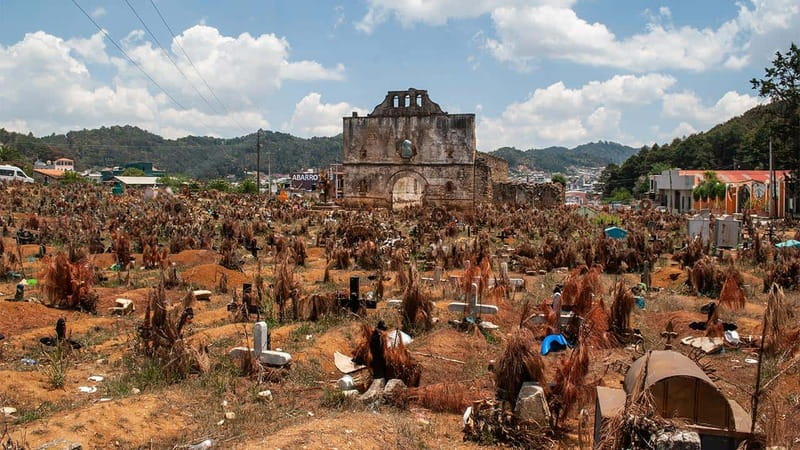
A cultural tour depends heavily on the person leading it. The best guides on this route do more than give dates and point toward a church. They explain what you are seeing, translate questions, and help you behave properly in sensitive places.
Miguel has received particular praise for strong English, detailed explanations, and a calm manner. Alonso has been described as approachable, humorous, and effective in both English and Spanish. Alfonzo has also been praised for switching languages and treating local communities with empathy.
Those comments give you a useful standard. You should expect the guide to explain Chamula, answer questions, and take you through the sites rather than simply dropping you off with free time. The quality of the Zinacantán explanation can vary, so if the weaving portion moves quickly, ask questions while you have the chance.
Language options are English and Spanish. If you need English, confirm that your departure offers it when booking. The activity is advertised with a live guide in both languages, but individual guide assignments can change.
Timing, transport, and what to wear
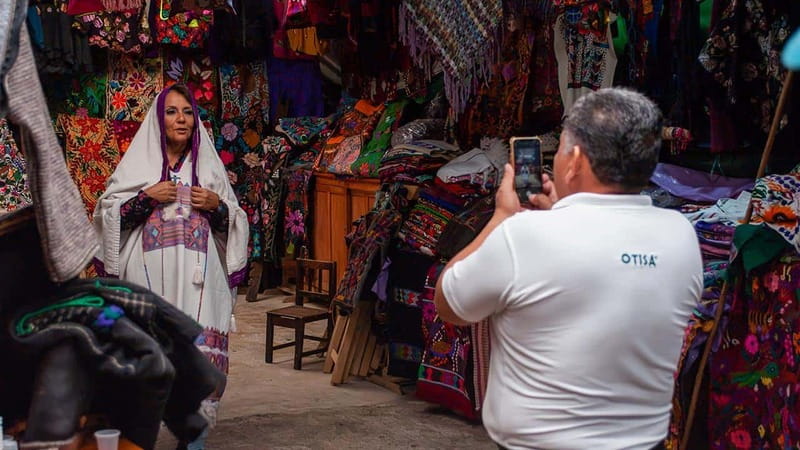
The full experience lasts five hours. The published schedule allows about 90 minutes in Chamula, 90 minutes in Zinacantán, and roughly 65 minutes in the van. Transfers are estimates, and traffic can change the total time.
The air-conditioned minivan is a welcome feature in a highland day trip. It keeps the route simple and gives you a comfortable break between guided visits. Still, this is not a private car service, so expect a shared group setting.
Meet at Al Grano Café, Portal Oriente 9, Colonia Centro, San Cristóbal de las Casas. Build in enough time to find the café and arrive ready for the departure.
Wear comfortable shoes and clothes. The tour operates in all weather, so bring layers and dress for changing conditions. Comfortable footwear matters more than fashionable footwear, since you will spend time walking through the towns and standing during explanations.
Bring a passport or ID card. The rules list cameras and video recording as prohibited, so plan to experience the church without photography. Do not assume a phone camera is acceptable. Follow the guide’s instructions and the local rules.
Children must be accompanied by an adult, and unaccompanied minors are not allowed. The supplied information does not describe accessibility arrangements, so contact the provider before booking if you need specific mobility support.
Free cancellation is available up to 24 hours before departure, and the reserve-now, pay-later option can help if your San Cristóbal plans are still shifting.
Who should book this half-day tour?
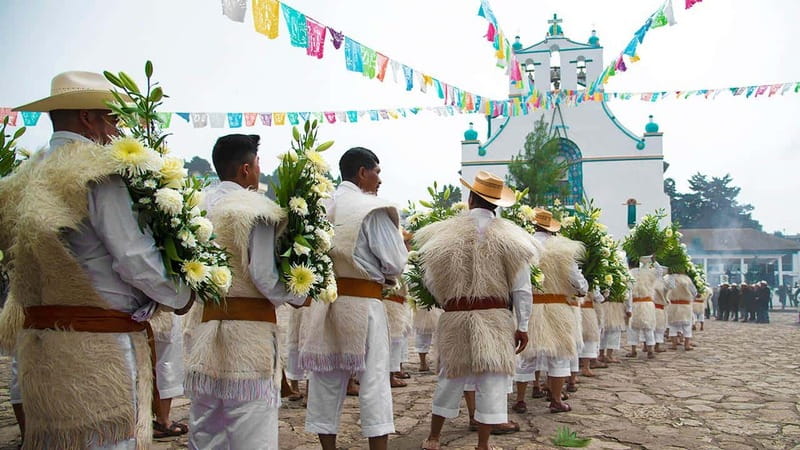
I would recommend it to you if you want a clear introduction to Tzotzil Maya communities and prefer having cultural details explained in English or Spanish. It suits first-time visitors to Chiapas, couples, solo visitors, and anyone with limited time in San Cristóbal.
It is also a good fit if you care about textiles but do not have time to seek out a cooperative independently. The loom demonstration, kitchen visit, tortilla tasting, and craft shopping give you several ways to connect with Zinacantán.
You may want a different plan if you dislike organized shopping stops or feel uneasy observing active religious rituals. The church is not a conventional sightseeing site, and the cooperative is not free from sales pressure.
Families can join if children stay with an adult and can manage a quiet church visit. The no-camera rule and the serious nature of the rituals may be worth explaining to younger children before you go.
Should you book Chamula and Zinacantán?
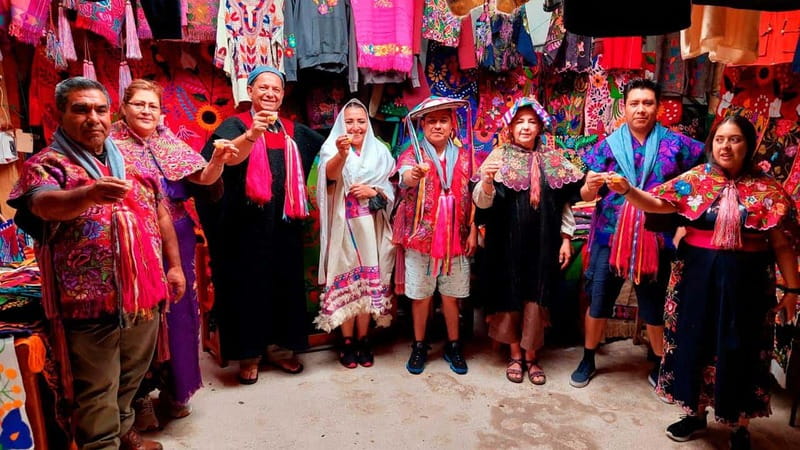
Yes, if you want a practical, affordable introduction to two important Tzotzil Maya communities near San Cristóbal. The unusual church in Chamula is the strongest reason to go, while the handmade tortillas, coffee, pox tasting, and waist-loom work make Zinacantán more than a standard souvenir stop.
Book it with realistic expectations. You are paying for a guided overview, not a long private conversation with artisans or a full day of independent village exploration. Keep your camera packed away, bring an ID, wear comfortable clothes, and set a firm budget for textiles.
At $32, the combination of transport, entry, and guiding makes this a sensible choice for most first-time visitors. I would choose it for the context and the chance to see real customs respectfully, while remembering that the most meaningful part of the morning may be the part you cannot photograph.
FAQ
How long does the Chamula and Zinacantán tour last?
The tour lasts five hours, including transportation between San Cristóbal de las Casas, San Juan Chamula, and Zinacantán.
Where does the tour meet?
Meet at Al Grano Café, Portal Oriente 9, Colonia Centro, San Cristóbal de las Casas.
How long do you spend in each town?
The guided visit lasts about one and a half hours in San Juan Chamula and one and a half hours in Zinacantán.
Is transportation included?
Yes. Transportation is provided by air-conditioned minivan, and the guide and entrance fees are also included.
Are food and drinks included?
Food and drinks are listed as not included. The Zinacantán visit may include regional drinks, coffee, pox tasting, tortillas, cheese, or bean tacos, but you should not rely on the tour for a full meal.
Can you take photos or record video?
No. Cameras and video recording are not allowed. Follow the guide’s instructions, particularly inside the church.
What languages are available for the guide?
The tour offers live guiding in English and Spanish.
Just added around Mexico
- Las Coloradas Pink Lake & Rio Lagartos Guided Tour★ 4.5 · 103 reviews
- Cozumel zipline thrill adventures★ 4.5 · 103 reviews
- Boat tour through the mangroves of Celestún and Playa from Merida★ 4.5 · 103 reviews
- LDS Tour to Chichen Itza + Cenote★ 5.0 · 103 reviews
- Discovery Scuba Dive.★ 5.0 · 103 reviews
- Mountain Tour Puerto Vallarta Electric Bikes★ 5.0 · 104 reviews
- Butterflies, City tour, tequila, and beach (kids free)★ 4.5 · 104 reviews
- Cancun Jungle Tour: Tulum, Cenote Snorkeling, Ziplining, Lunch★ 4.5 · 104 reviews
Chiapas Tours, compared.
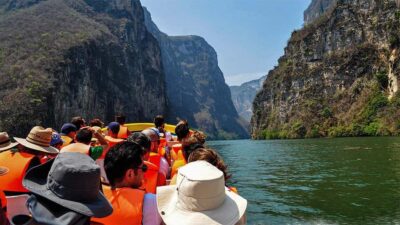
San Cristóbal: Canyon, Viewpoints & Chiapa de Corzo Tour
Read our review →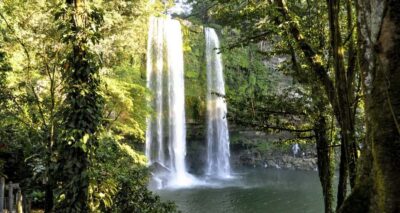
San Cristóbal: Agua Azul, Misol Ha & Palenque Experience
Read our review →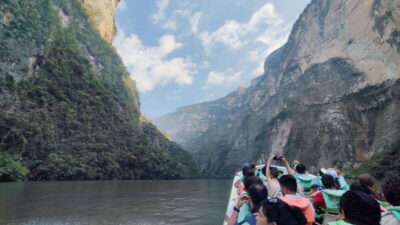
Tuxtla Gutierrez: Sumidero, Chiapa de Corzo and Miradores
Read our review →
Sumidero Canyon and Chiapa de Corzo Tour Compartido
Read our review →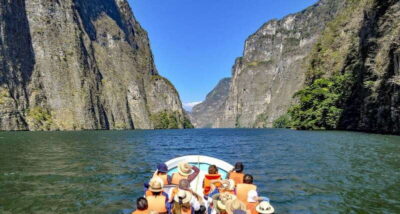
From San Cristobal: Sumidero Canyon & Chiapa de Corzo Tour
Read our review →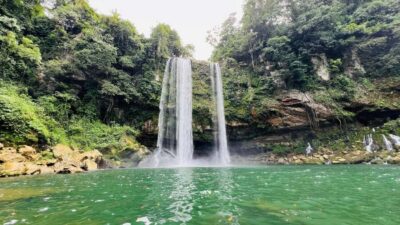
Palenque: Palenque Ruins, Agua Azul Waterfalls and Misol-Ha
Read our review →
From San Cristóbal: Agua Azul and Palenque Day Trip
Read our review →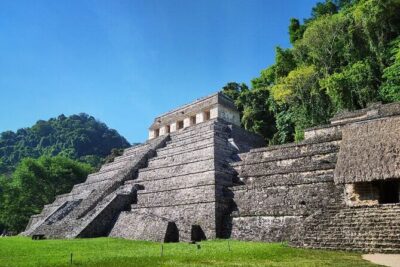
Day Trip to Agua Azul Waterfalls and Palenque from San Cristobal
Read our review →Browse the lists this tour appears in