
Reviewed · CHIAPAS TOURS
Customs of indigenous villages of Chiapas
Sacred places tell the real story. This half-day outing from San Cristóbal de las Casas takes you into the Tzotzil communities of Chamula and San Lorenzo, where Indigenous beliefs, Catholic symbols, local art, burial customs, and textile traditions meet. I especially like the small maximum of four people and the chance to visit a local artisan family rather than simply look at village buildings from a van.
The strongest parts are the explanations inside Chamula’s church and the relaxed time spent learning about textiles and daily life. Guides such as Rudy have been praised for fluent English, careful communication, and broad knowledge of religion, government, marriage customs, and ceremonies. The main drawback is value: at $77.07 per person, this costs more than a basic shared village excursion, and breakfast is extra.
In This Review
- Key points to know before booking
- Why Chamula deserves your morning
- San Juan Bautista and its sacred interior
- The Chamula cemetery and Day of the Dead traditions
- Art, breakfast, and a highland view
- San Lorenzo and the story of the jaguar
- Traditional clothing and textile production
- What the guide adds to the experience
- Is $77.07 a fair price?
- Timing, pickup, and practical details
- Who should book this experience?
- Should you book it?
- FAQ
- Where does the tour start?
- Where does the tour end?
- Is hotel pickup offered?
- How long does the experience last?
- What language is the tour offered in?
- How many people can join the tour?
- Is breakfast included?
- Are church admission fees included?
- Are service animals allowed?
- Can I cancel for a full refund?
Key points to know before booking
- Chamula’s church is the emotional center: Inside San Juan Bautista, Indigenous and Catholic traditions appear together in rituals unlike those found in ordinary Mexican churches.
- The group is capped at four people: This allows room for questions and a more personal pace than a large coach tour.
- A local family demonstrates textile work: You can try on traditional clothing and see how fabric production connects to everyday life.
- Breakfast is not included: The morning stop includes time for food with a highland view, but you pay separately.
- The tour covers two distinct communities: Chamula focuses on Tzotzil customs, while San Lorenzo adds another look at Indigenous religious traditions and local craft.
- Plan on five to six hours: Pickup is offered, and the tour begins at the Arco del Carmen and ends at Plaza de la Paz unless your pickup arrangement changes the starting point.
Why Chamula deserves your morning
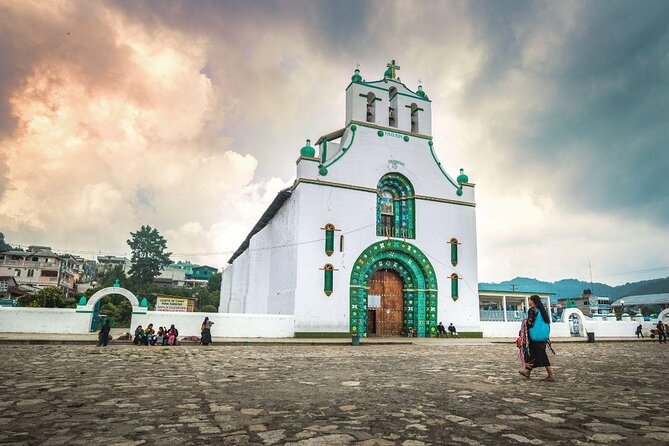
San Juan Chamula is not a quick photo stop. It is a working Indigenous community with its own customs, traditions, and sense of identity. The village is best understood with a guide who can explain what you are seeing, since many of the symbols inside the church will not make much sense at first glance.
The Tzotzil people of Chamula preserve religious practices with Mayan roots, while also using Catholic images and spaces. That combination is what gives the visit its force. You are not simply looking at an old building. You are trying to understand how a community has shaped Christianity around older beliefs and local needs.
I would choose this tour if you want context rather than a quick stop at a market. It is also a good match if you prefer asking questions as you go. With only four people, the guide can explain details without having to shout across a crowd.
A few more reviews worth comparing before you book
- San Cristóbal: Canyon, Viewpoints & Chiapa de Corzo Tour
★ 4.7 · 231 reviews - From San Cristóbal: Chamula and Zinacantán Guided Tour
★ 4.4 · 203 reviews - San Cristóbal: Agua Azul, Misol Ha & Palenque Experience
★ 4.3 · 186 reviews
San Juan Bautista and its sacred interior
The first main stop is the Church of San Juan Bautista, the best-known reason to visit Chamula. You receive about 45 minutes inside and admission is included.
The church’s importance comes from its living rituals. The guide explains the symbolism and meaning behind what you see, including the way pre-Hispanic beliefs and Catholic practices come together. This matters because the interior may appear unusual to anyone expecting a conventional Catholic church.
The experience calls for respect. Religious ceremonies may be taking place, and the church is a sacred place rather than a museum display. Listen closely to the guide’s instructions and follow any local rules about photography or behavior. The tour’s value depends on observing quietly and allowing the community to set the tone.
Rudy has received especially warm praise for explaining these customs in fluent English and for answering detailed questions in a calm, professional way. That is important here. A poor explanation can turn a meaningful ritual into a strange spectacle. A good one helps you see the beliefs behind it.
The 45-minute visit is enough to introduce the main ideas without making the church stop feel rushed. Still, this is not a long study visit. If you want hours of independent observation, this format may feel brief. For most people, the guided introduction gives enough structure to make the rest of the day more meaningful.
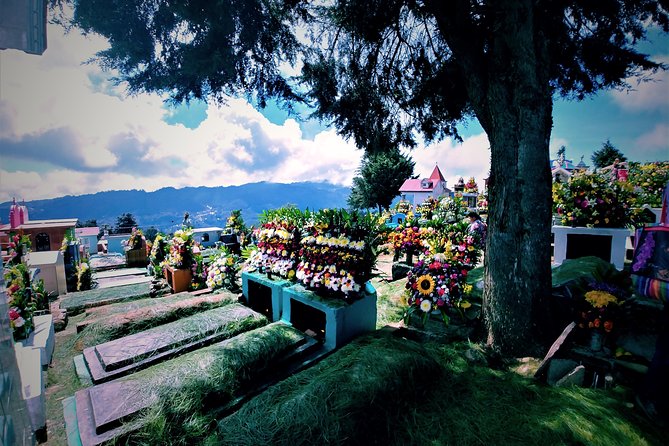
The Chamula cemetery and Day of the Dead traditions
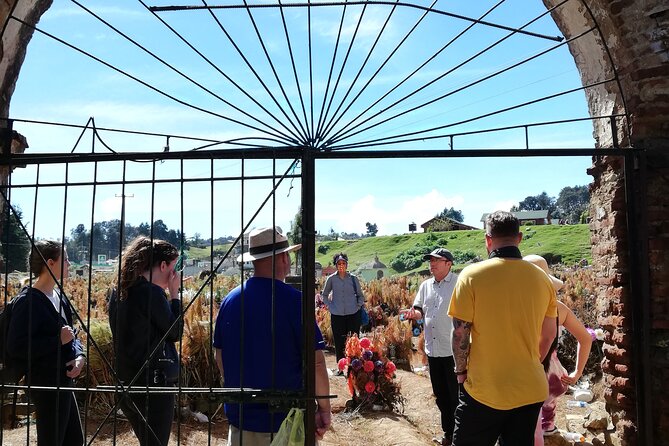
Next comes the Cemetery of San Juan Chamula, with about 30 minutes at the site and no separate admission fee.
This stop explains how the Tzotzil people understand death, remembrance, and the Day of the Dead. The guide connects local customs to Mayan origins and to wider Mexican traditions. That comparison helps you see that the Day of the Dead is not one single national practice. Customs vary from place to place, and Chamula has its own strong identity.
The cemetery is a place for learning, not a backdrop for casual pictures. You will get more from it if you pay attention to the explanation of burial customs and the beliefs behind them. The half-hour timing works well as a focused visit, though anyone hoping for a long, unhurried exploration should keep expectations in check.
This is one of the stops where a small group helps. You can ask about details that might otherwise pass too quickly, such as the connection between family traditions, religious practice, and local ideas about the dead.
Art, breakfast, and a highland view
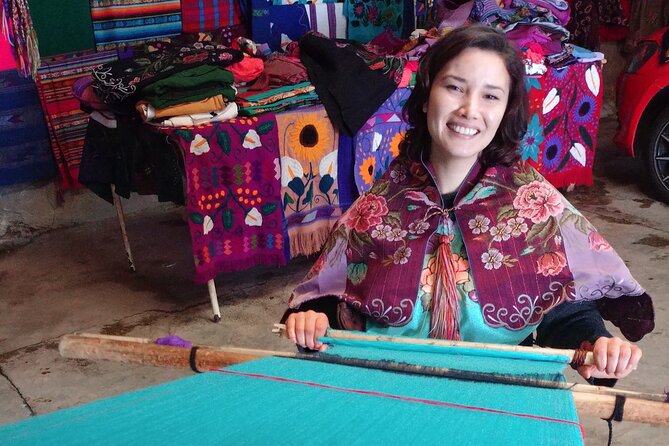
The tour then continues in San Juan Chamula to Art Tex Independent Art Gallery, operated by local painter Tex Lopez. The gallery presents paintings by local artists inspired by daily life and community festivals.
This gives the day a useful change of pace. After churches and cemetery traditions, you get to see how local people interpret their surroundings through art. The gallery is not presented as a large formal museum. Its appeal is its connection to a local artist and to the community around it.
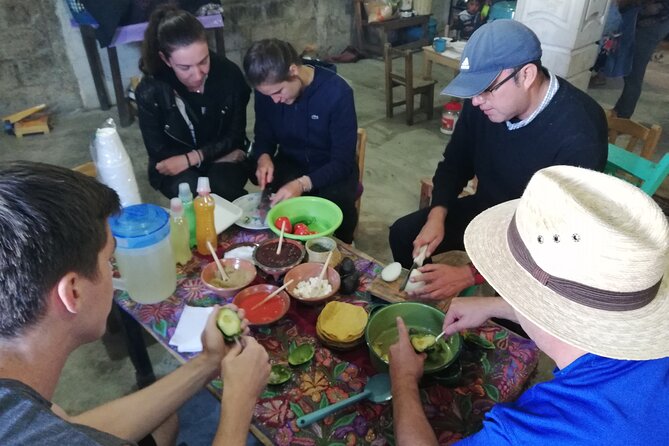
You also stop for breakfast at a scenic highland location. Breakfast is not part of the $77.07 price, so bring enough money for your meal. The available information does not specify a fixed menu or cost, so you should treat this as a chance to choose and pay for food locally rather than as an included meal.
One particularly appealing detail is the chance to eat fresh food at a local house during the wider visit. The exact arrangement may vary, but the experience can add a personal touch that a standard sightseeing route lacks. It is worth confirming with the operator what breakfast location and food options are planned for your date.
The gallery and meal together take about an hour. That is enough time to look at the paintings, hear about local creative work, and eat without turning the morning into a long restaurant break.
A different sort of day out around San Cristobal de las Casas:
- Sumidero Canyon and Chiapa de Corzo Tour Compartido
★ 4.6 · 131 reviews - From San Cristobal: Sumidero Canyon & Chiapa de Corzo Tour
★ 4.6 · 102 reviews - From San Cristóbal: Agua Azul and Palenque Day Trip
★ 4.2 · 75 reviews - Sumidero Canyon, Chiapa de Corzo Magical Town from San Cristóbal de las Casas
★ 4.0 · 70 reviews
San Lorenzo and the story of the jaguar
The fourth stop is the Church of San Lorenzo, with about 30 minutes inside and admission included.
Here the guide explains another meeting point between pre-Hispanic religion and Catholic practice. The tour also covers symbolism connected with this Indigenous culture and includes the legend of a jaguar. That story adds a memorable human element to the stop, especially if you enjoy learning through local legends rather than dates and architectural facts alone.
The church visit gives the tour some variety. Chamula’s church is the central attraction, while San Lorenzo shows that Indigenous religious traditions are not limited to one village. You get a second setting in which to consider how local beliefs have adapted, continued, and combined with Catholic forms.
Thirty minutes is a short visit, but it suits the overall schedule. The day is designed to introduce several connected subjects rather than focus on one church for hours. If you have limited time in San Cristóbal, that broad approach is useful.
Traditional clothing and textile production
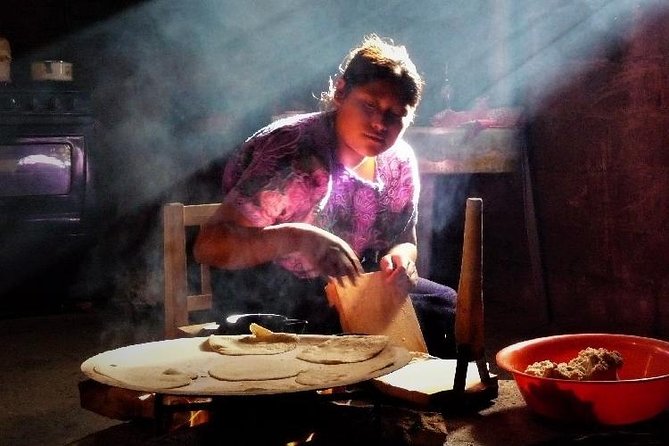
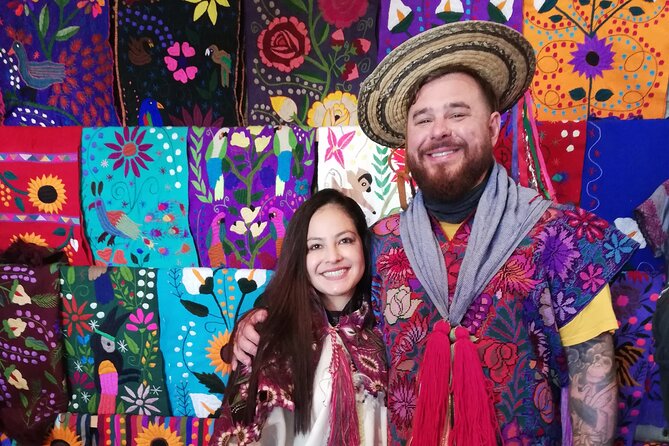
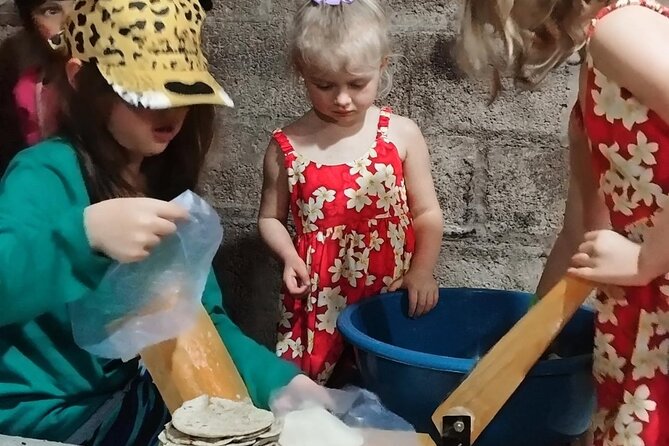
The final listed stop is the Former Temple of San Lorenzo, where you visit a local artisan family. You can try on traditional clothing and learn how textiles are produced. Admission is free, but the value here comes from the direct contact and explanation.
This is one of the most practical parts of the outing. Textiles are not just souvenirs. They carry information about identity, community, ceremony, and daily life. Seeing the production process helps you understand the work behind the finished garments.
Trying on traditional clothing can be fun, but treat it respectfully. Ask before handling anything, and listen to how the garments are used. The experience should be about learning from the family, not turning cultural clothing into a costume prop.
The visit lasts about 30 minutes. That is enough for a short demonstration and conversation, though not enough for an extended workshop. If textiles are your main interest, you may want to ask in advance how much of the process will be demonstrated and whether purchases are possible.
What the guide adds to the experience
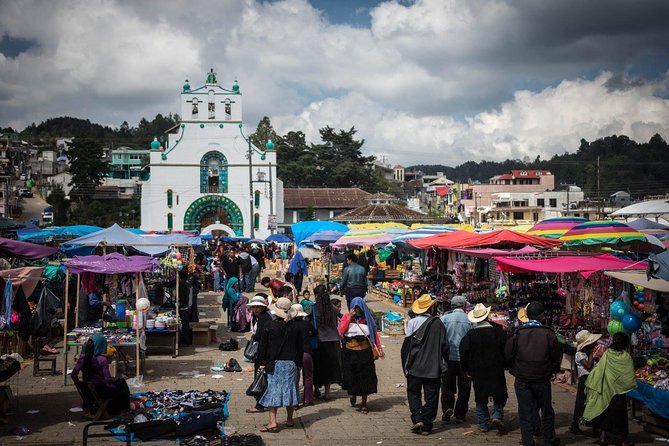
This tour depends heavily on the guide. The route itself includes churches, a cemetery, an art gallery, breakfast, and an artisan visit, but the meaning comes from the explanations connecting these places.
Rudy has been singled out for his understanding of Indigenous villages, religion, local government, and cultural customs. His background includes varied personal experiences, which appears to help him answer questions beyond the basic sightseeing script. Another strong point is communication. Clear English matters when discussing rituals that can easily be misunderstood.
The guide also helps keep the day comfortable and organized. One account describes prompt hotel pickup, updates about changes, and a friendly atmosphere throughout the outing. Those details may sound small, but they matter when you are visiting places with unfamiliar customs.
You should still take an active role. Ask about the differences between villages, the meaning of symbols, marriage traditions, burial customs, and the relationship between Catholic worship and older Indigenous beliefs. The more you ask, the more you are likely to get from a small-group tour.
Is $77.07 a fair price?
At $77.07 per person, this is not the cheapest way to see Chamula and nearby villages. You are paying for a five to six hour experience, transportation arrangements, a guide in English, included admission at the two churches, and a group limited to four people.
The small group is the main value. A large vehicle can get you from one stop to the next, but it cannot offer the same ease for questions or the same personal feel at an artisan family’s home. If you value interpretation and local contact, the price is easier to justify.
The cost feels less attractive if you mainly want transportation and a quick look at the churches. Breakfast is also extra, so remember to add that expense. One fair criticism is that the tour may feel slightly overpriced for budget-minded visitors, especially if they can arrange a simpler shared outing.
I would compare this with the cost of a private guide and transport before deciding. Since the group can be as small as four, the price may make more sense for a pair or small family than for a solo visitor watching every peso.
Timing, pickup, and practical details
The published meeting point is the Arco del Carmen on Miguel Hidalgo in central San Cristóbal de las Casas. The listed end point is Plaza de la Paz in the city center. Pickup is offered, so confirm the exact arrangement when booking rather than assuming you must walk to the start point.
The experience is offered in English and lasts approximately five to six hours. It is generally suitable for most people, and service animals are allowed. The route is near public transportation, which is useful if you need to reach central San Cristóbal before or after the outing.
The tour is usually booked about 25 days ahead. That does not mean you must reserve that early, but it suggests that popular dates can fill, especially with a maximum of four people. Confirmation is normally provided at booking. If you reserve within five days of departure, confirmation may arrive within 48 hours and depends on availability.
Free cancellation is available up to 24 hours before the start time. Cancellations or changes made inside that window are not refunded. Poor weather or failure to meet the minimum number of participants can also lead to a different date, another experience, or a full refund.
Wear something comfortable for a morning of moving between village stops. The supplied information does not specify walking distances, so ask the operator if mobility is a concern. Also remember that the tour includes cultural sites where quiet behavior and respect are essential.
Who should book this experience?
I would recommend it to anyone staying in San Cristóbal who wants to understand Indigenous Chiapas through religion, family traditions, art, food, and textiles. It suits curious visitors who prefer a personal guide to a large bus group.
It is especially useful for first-time visitors to Chamula. Without explanation, the churches and ceremonies can be difficult to interpret. The guide gives you a framework for seeing the connection between Mayan beliefs and Catholic practice.
Families and small groups may appreciate the limited size, though the sacred settings require children to behave respectfully. Art lovers and anyone interested in weaving will also enjoy the gallery and artisan visit.
I would hesitate if you want a cheap, independent outing or if your main goal is shopping. The breakfast is not included, the schedule is structured, and the price reflects the guide-led format.
Should you book it?
Book this tour if you want more than photographs and place names. The strongest reasons are the small group, careful English explanations, the church rituals in Chamula, and the chance to meet a local artisan family.
The price is the main question. At $77.07, it is a considered purchase, not a casual add-on. For a visitor who values cultural context and direct conversation, it offers good value. For a budget visitor who only wants to see the villages, a simpler option may be enough.
My advice is to book ahead, confirm pickup and breakfast details, and arrive ready to listen. Chamula and San Lorenzo are not ordinary sightseeing stops. Their meaning comes from the people, beliefs, and customs that continue there.
FAQ
Where does the tour start?
The listed meeting point is Arco del Carmen, Miguel Hidalgo S/N, Centro, San Cristóbal de las Casas, Chiapas.
Where does the tour end?
The listed end point is Plaza de la Paz in the Zona Centro of San Cristóbal de las Casas.
Is hotel pickup offered?
Yes, pickup is offered. Confirm the exact pickup details with the operator when booking.
How long does the experience last?
The tour lasts approximately five to six hours.
What language is the tour offered in?
The experience is offered in English.
How many people can join the tour?
The maximum group size is four people.
Is breakfast included?
No. The tour includes a breakfast stop, but breakfast is not included in the price.
Are church admission fees included?
Admission is included at the Church of San Juan Bautista and the Church of San Lorenzo.
Are service animals allowed?
Yes, service animals are allowed.
Can I cancel for a full refund?
Yes, you can cancel up to 24 hours before the experience starts for a full refund. Cancellations or changes made less than 24 hours before the start time are not refunded.
Just added around San Cristobal de las Casas
- San Cris – Canyon of the Sump Miradores Chiapa – San Cris in Spanish★ 4.5 · 36 reviews
- San Cristobal: Zinacantan and San Juan Chamula Tour★ 4.0 · 38 reviews
- San Cristóbal: Sumidero Canyon, Viewpoints & Chiapa de Corzo★ 4.5 · 39 reviews
- San Cristobal: Cascadas de Chiflon and Lagos de Montebello★ 4.3 · 44 reviews
- San Cristobal: Sumidero Canyon, Chiapa de Corzo, & Miradores★ 4.4 · 63 reviews
- Sumidero National Park Full-Day Trip from San Cristobal★ 4.4 · 66 reviews
- Cañon Del Sumidero, miradores From San Cristobal de Las Casas★ 4.5 · 67 reviews
- Montebello Lakes and Chiflon Day Tour from San Cristobal★ 4.1 · 68 reviews
Chiapas Tours, compared.
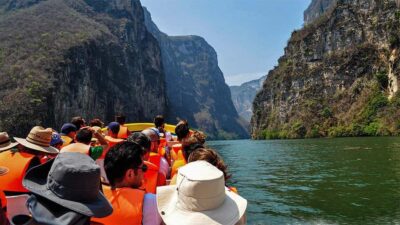
San Cristóbal: Canyon, Viewpoints & Chiapa de Corzo Tour
Read our review →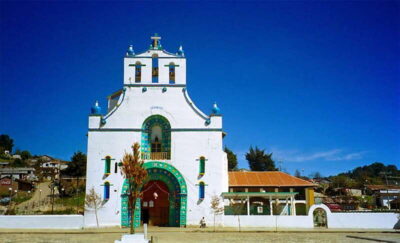
From San Cristóbal: Chamula and Zinacantán Guided Tour
Read our review →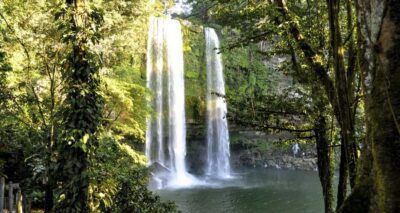
San Cristóbal: Agua Azul, Misol Ha & Palenque Experience
Read our review →
Tuxtla Gutierrez: Sumidero, Chiapa de Corzo and Miradores
Read our review →
Sumidero Canyon and Chiapa de Corzo Tour Compartido
Read our review →
From San Cristobal: Sumidero Canyon & Chiapa de Corzo Tour
Read our review →
Palenque: Palenque Ruins, Agua Azul Waterfalls and Misol-Ha
Read our review →
From San Cristóbal: Agua Azul and Palenque Day Trip
Read our review →Browse the lists this tour appears in