
Reviewed · FOOD & DRINK
Valladolid Mayan Bees Tour with Lunch or breakfast and Honey Tasting
Meet the bees that do not sting. This short Valladolid outing combines a dry cenote walk with an up-close look at Mayan melipona bees, then adds honey tasting and a meal. I like the clear local focus and the easy meeting point at Xkopek Parque Apícola. My main caution is mosquitoes, plus the chance of uneven footing and a less balanced English explanation on bilingual departures.
This is a small, friendly experience rather than a grand attraction. The group limit is 10, and guides such as Jorge, Dianela, Gerardo, Julia, Eduardo, Joel, and Mario have been praised for making the subject lively. I also like that your booking supports a place working with native bees and local plant life. If you want a long nature hike or a formal museum, this will feel modest.
In This Review
- Key points to know before you book
- Why Mayan bees make this Valladolid tour special
- Starting at Xkopek Parque Apícola in Valladolid
- Walking down into the dry cenote
- Following the jungle path to the meliponario
- Opening a hive and seeing bee architecture
- Tasting honey, pollen, and other hive products
- Choosing breakfast or lunch at the park
- Timing, comfort, and the right kind of visitor
- Booking details that can affect your day
- Should you book the Mayan Bees Tour?
- FAQ
- How long does the Valladolid Mayan Bees Tour last?
- Where does the tour start?
- Is food included?
- Are the Mayan bees dangerous?
- What should I wear and bring?
- Can I cancel the tour?
Key points to know before you book
- The dry cenote has wild stingless bees: You walk down steps into a natural chamber where local bee colonies live in their own habitat.
- The tour is hands-on: You may see a hive opened so you can study the bees’ intricate nest structure.
- Honey tasting goes beyond honey: Samples can include pollen, propolis, and other hive products.
- A meal is included: Choose a traditional poc chuc lunch, empanadas, or a breakfast of quesadillas, eggs, or an omelet.
- Bring serious mosquito protection: The park is a wooded area, and one detailed account warned of many mosquitoes.
- It is short and easy to fit into a day: The full experience lasts about 90 minutes and returns to the starting point.
Why Mayan bees make this Valladolid tour special
Valladolid has no shortage of cenotes and Maya sites, but this experience gives you a different way to understand the Yucatán. Instead of simply looking at a ruin or swimming in underground water, you learn how people, plants, bees, and food connect.
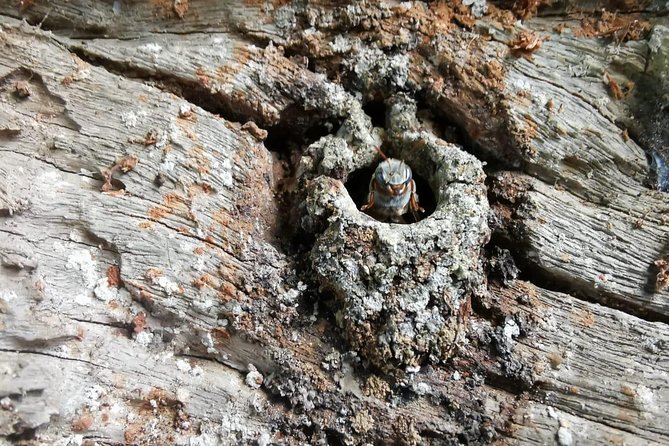
The focus is on native Mayan bees, especially the small, stingless varieties known as melipona bees. These bees do not have stingers, which makes the visit less intimidating than a standard European honeybee demonstration. You still need to pay attention around the site, since nonnative European bees can also be found in the Yucatán and may sting.
That distinction matters. The tour does not treat bees as a novelty for a quick photo. It explains their role in the local ecosystem, their place in Mayan culture, and the products made from the hive. You come away with a better sense of why native bee conservation matters.
I especially like the way the experience connects practical beekeeping to the natural world. You see the plants that provide nectar, the places where wild colonies live, and the managed hives used for honey production. It feels more useful than a basic tasting followed by a gift shop.
More Food Tours in Merida
- Merida Walking Food Tour. Authentic & Local Cuisine
★ 5.0 · 451 reviews - Merida Street Food Walking Tour
★ 5.0 · 417 reviews - Chichen Itza, Private Cenote/Food Experience & the magic Izamal
★ 5.0 · 385 reviews
Starting at Xkopek Parque Apícola in Valladolid
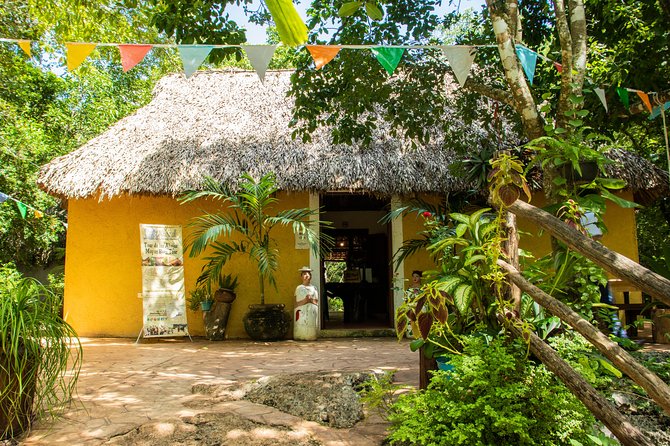
The meeting point is Xkopek Parque Apícola on Calle 57, between Calle 36 and Calle 38, in the San Juan area of Valladolid. The site is near public transportation, has free parking, and the activity ends where it begins. That simple setup helps if you are arranging the tour between other Valladolid plans.
The park is only a short drive from downtown, but the setting quickly feels more rural and wooded. The grounds include the bee park, a restaurant, a small shop, and restrooms. The clean facilities are useful, especially if you choose the morning departure and plan to eat breakfast afterward.
The group maximum of 10 is another practical advantage. A small group gives you a better chance to hear the guide and see the hives without being pushed along in a crowd. It also suits families, couples, solo visitors, and anyone with a serious interest in native bees.
The tour is offered in English. Several guides are comfortable explaining the subject to English speakers, and names associated with the experience include Jorge, Dianela, Gerardo, Julia, Eduardo, Joel, and Mario. If the departure is bilingual, pay attention to how the guide divides the time. One family found that long stretches in Spanish left English-only members waiting. A good guide can solve this by changing languages more often.
Walking down into the dry cenote
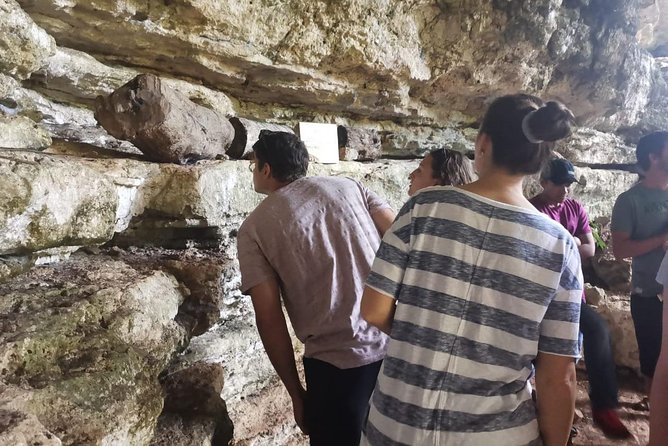
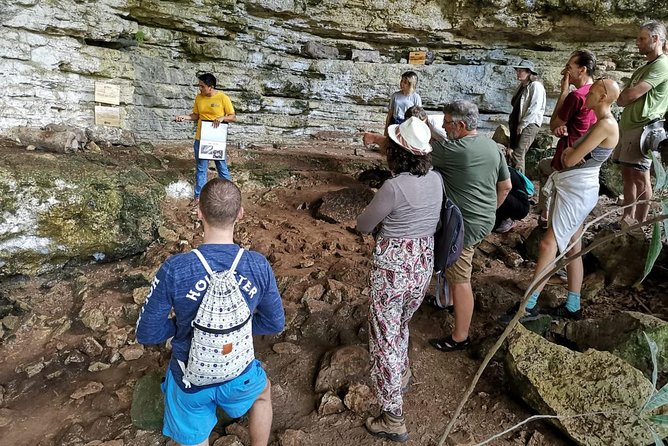
The first part is a walk through the park to a stairway leading down into a dry cenote. This is not a swimming stop. It is an underground chamber, or vault, where you can see local plants around the entrance and wild bee colonies in their natural setting.
The stairs and natural path require a moderate level of fitness. You do not need to be an athlete, but closed shoes are important. Comfortable walking shoes will give you better footing than sandals, especially on steps and ground that may be uneven.
The dry cenote gives the tour its strongest sense of place. The bees are not only displayed in boxes behind a building. You see how they occupy a natural part of the Yucatán environment. The guide also explains local plants and their uses, including why certain species matter for honey production.
This is a good section for children because it turns an abstract lesson into a search for small details. A six-year-old reportedly stayed interested in bees long after the tour ended. The underground setting adds a little drama without requiring a strenuous hike.
You should still keep your expectations sensible. The cenote is dry, and the visit is relatively brief. If you are expecting a large cavern, dramatic formations, or a swimming break, you may find this stop quiet rather than spectacular. Its value comes from the bees and the explanation, not from grand underground scenery.
Following the jungle path to the meliponario
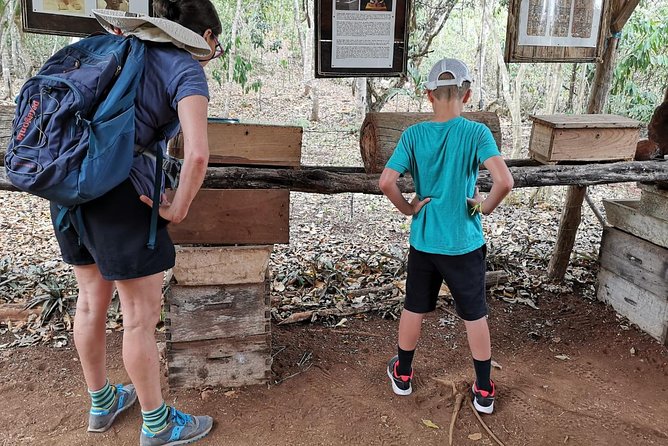
After the cenote, you follow a path through the wooded part of the property. Along the way, the guide identifies plants that help produce honey and explains their place in the local environment.
The setting can feel pleasantly wild, but that comes with a tradeoff. Mosquitoes are a real concern. Use organic mosquito repellent as requested, and consider long trousers and long sleeves if you are comfortable in them. One detailed account described the mosquito population as heavy, which is believable for a wooded Yucatán site where bees forage among plants.
The path is part of the lesson. You are not only learning the names of bees. You are seeing the food sources that support them. That makes the conservation message easier to understand: healthy bee populations depend on healthy plant communities.
The walk eventually reaches the meliponario, the area where the park keeps and studies its managed colonies. Here the guide explains how honey is produced, how the hives are maintained, and what else comes from the colony. You may hear about pollen, propolis, and other hive products, including their traditional or health-related uses.
The experience is especially rewarding if you keep bees, study biology, or simply want a closer look at a local practice. A beekeeper from California found the tour satisfying, which suggests that the information is not limited to beginners. At the same time, the guide uses visual material, including tablet images and videos on some departures, to help explain the hives to people with no background in beekeeping.
A few more reviews worth comparing before you book
- From Cancún: Rio Lagartos & Las Coloradas Day Trip & Lunch
★ 4.6 · 451 reviews - Chichen Itza, Cenote Swim & Izamal Magic Town with Buffet Lunch
★ 4.5 · 317 reviews - From Mérida:Uxmal and amazing cenotes guided tour with lunch
★ 4.9 · 175 reviews - Merida : Guided tour of Uxmal, Kabah and Cenote with Lunch
★ 4.5 · 156 reviews
Opening a hive and seeing bee architecture
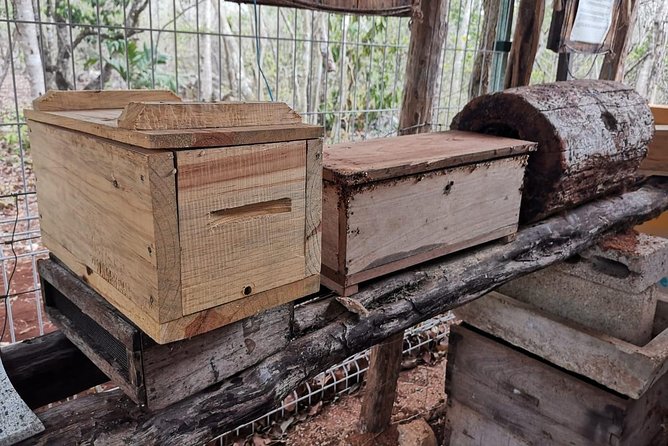
The most memorable part for many people is the chance to observe an opened hive. The guide shows the internal structure and explains how the bees arrange their nest.
This is not the same as watching an aggressive honeybee colony being handled. The native Mayan bees are small and stingless, so the demonstration is generally approachable for children and people who feel uneasy around bees. Still, you should not assume every insect at the property is stingless. The nearby presence of European bees is a useful caution.
The hive structure itself is fascinating. You see that a colony is more than a box of honey. Its design reflects how the bees live, store food, and protect the colony. The guide’s explanation is what makes this section work, so English ability and pacing matter.
Several guides have been praised for warmth and clear explanations. Visitors have specifically enjoyed learning the differences among local bee types and the roles those bees play in the surrounding ecosystem. The best version of this tour feels like a conversation with someone who cares about the subject, not a rushed sales pitch.
If you want to photograph the bees, follow the guide’s instructions. The tour includes a souvenir photo at the end, so you do not need to treat every moment as a photo opportunity.
Tasting honey, pollen, and other hive products
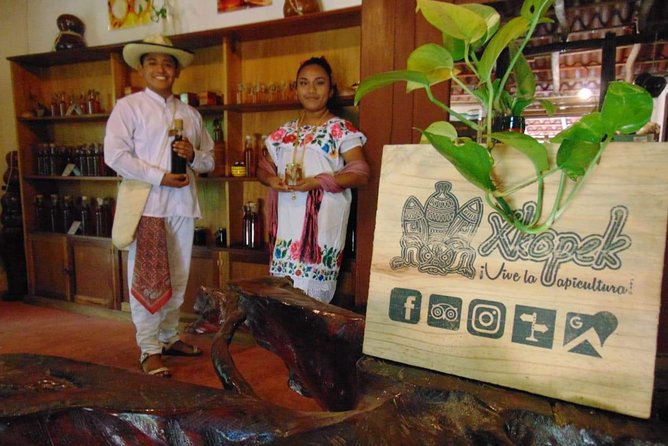
The tasting follows the hive visit and gives you a chance to compare products rather than sample one generic spoonful of honey. Depending on the presentation, you may taste several honeys along with pollen, propolis, and other items made from the hive. One visit included nine different bee products.
This is a useful part of the tour because the flavor differences make the earlier plant lesson more concrete. Nectar comes from different plants, and the resulting products can vary. The tasting also helps explain why local beekeeping is more than honey production alone.
The tasting tends to be casual and social. Fresh tortillas, salsa, and small homemade snacks have been part of the food experience on some visits. The tasting is not designed as a full gourmet event, but it gives you plenty to try and provides a natural pause before the meal.
The small shop comes next. You can buy honey, creams, and souvenirs, including moisturizing products that have become popular purchases. Buying something is optional, but it gives you a way to support the park’s work and take home a practical reminder of the visit.
Choosing breakfast or lunch at the park
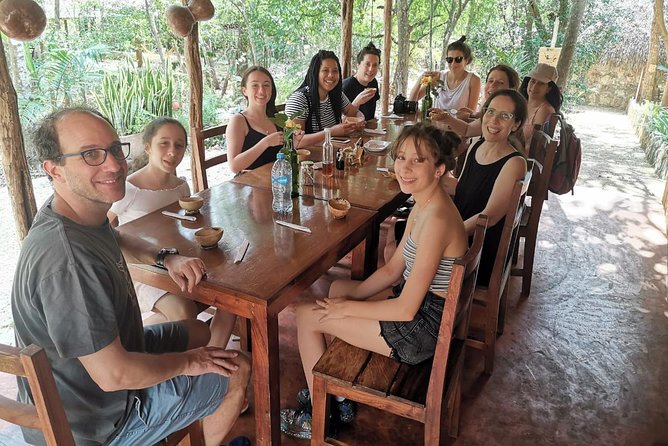
Food is included, which improves the value of this short experience. Breakfast options include quesadillas, scrambled eggs, or an omelet with up to two ingredients, plus fruit water of the day.
For lunch, you can choose traditional poc chuc with pork or chicken, or empanadas. The food is served at the restaurant on the property, so you do not need to arrange another stop immediately after the tour.
The meal has received strong praise, especially the lunch and fresh tortillas. Breakfast has also been described as delicious, and the restaurant and restrooms have been noted as clean. Keep your expectations at the level of a solid local meal included with a cultural activity, not a destination restaurant. One account found the food good and worthwhile but not exceptional.
There has been at least one case where a guest expected breakfast but did not receive it. If the meal is important to your plans, confirm the selected breakfast or lunch option when booking and again on arrival. The food inclusion is clearly part of the experience, but small package mix-ups can happen.
For value, the combination is hard to dismiss. You receive a guided nature and culture visit, a tasting, a meal, and access to the park in roughly an hour and a half. Even without a listed price here, the package makes more sense than judging it as a simple bee talk. It can replace a separate snack stop while adding a distinctly local activity.
Timing, comfort, and the right kind of visitor
The total duration is about 90 minutes, making this easy to add before a Valladolid lunch, after breakfast, or during a transfer day. It has also worked well as a stop between Chichén Itzá and Tulum, though you should allow enough time for your own transportation plans.
An early departure can be a smart choice. One morning visit began at 8:30 a.m., when the temperature was more comfortable. Earlier hours may also make the walking portion easier in Yucatán heat, though the tour schedule determines what is available.
Wear closed, comfortable shoes. Apply organic mosquito repellent before you start, and bring more if needed. The site is close to town, but the wooded setting means you should dress for an outdoor activity rather than a city stroll.
You should have moderate physical fitness and be comfortable walking on a path and using stairs. The experience is not suitable if you have a bee allergy. Although the featured native bees are stingless, the property can also have other bees nearby.
This tour suits you best if you enjoy:
- Local ecology and conservation
- Mayan foodways and cultural practices
- Small-group activities
- Short walks with educational stops
- Honey and traditional hive products
- Family outings with a hands-on subject
It is less suitable if you want swimming, a long hike, dramatic cenote scenery, or a highly polished food tour.
Booking details that can affect your day
Your confirmation is received at booking, and the mobile ticket keeps the start simple. The meeting point is Xkopek Parque Apícola, and the group is capped at 10 people.
Free cancellation is available if you cancel at least 24 hours before the local start time. Cancellations or changes within 24 hours are not refunded or accepted. The experience depends on good weather, so if the operator cancels because of poor conditions, you can choose another date or receive a full refund.
The tour is run by Xkopek Parque Apícola. Because the activity includes outdoor paths and a cenote stairway, give yourself enough time to arrive without rushing. A calm start makes it easier to hear the guide and enjoy the tasting.
Should you book the Mayan Bees Tour?
I would book this if you want an easy, meaningful break from Valladolid’s better-known ruins and swimming cenotes. The native bee focus, dry cenote setting, hive demonstration, tasting, and included meal give you several experiences in one compact visit.
The strongest reasons to go are the genuine connection to Mayan beekeeping, the small group size, and the guides’ clear enthusiasm. The biggest cautions are mosquitoes, modest physical demands, possible bilingual pacing issues, and the fact that lunch is good local fare rather than a culinary event.
Choose an early time if possible, wear closed shoes, bring organic repellent, and confirm your meal selection. If those details suit you, Xkopek offers one of Valladolid’s more unusual and worthwhile short outings.
FAQ
How long does the Valladolid Mayan Bees Tour last?
The experience lasts approximately 1 hour and 30 minutes. It begins and ends at Xkopek Parque Apícola.
Where does the tour start?
The meeting point is Xkopek Parque Apícola on Calle 57 between Calle 36 and Calle 38, in the San Juan area of Valladolid, Yucatán. The site is near public transportation and has free parking.
Is food included?
Yes. Lunch options include traditional poc chuc with pork or chicken, or empanadas. Breakfast options include quesadillas, scrambled eggs, or an omelet with up to two ingredients. Fruit water of the day is included.
Are the Mayan bees dangerous?
The featured local Mayan bees are stingless because they do not have stingers. However, European bees can also be present in the surrounding area, so you should not assume every bee at the site is stingless.
What should I wear and bring?
Wear comfortable closed shoes for walking and stairs. Organic mosquito repellent is requested, and long trousers and sleeves can help in the wooded setting.
Can I cancel the tour?
You can receive a full refund if you cancel at least 24 hours before the local start time. Cancellations or changes made within 24 hours are not refunded or accepted. If poor weather causes the operator to cancel, you can receive a full refund or select another date.
More Mexican Food and Drink Outings
- Mérida: 3-Hour Walking Food Tour
★ 4.9 · 287 reviews - From Merida: Chichen Itza Tour, Izamal, Cenote Ik Kil and Food
★ 5.0 · 246 reviews - Cabo Beach Camel Ride, Mexican Buffet and Tequila Tasting
★ 5.0 · 8,815 reviews - Early morning Chichen Itza Tour: Cenote and Tequila Tasting
★ 5.0 · 6,657 reviews
Just added around Merida
- Boat tour through the mangroves of Celestún and Playa from Merida★ 4.5 · 103 reviews
- Full Day Tour Chichen Itza plus Cenotes From Valladolid★ 4.0 · 107 reviews
- Private Yucatecan Cooking Class in Merida at Sofia’s Home Kitchen★ 5.0 · 116 reviews
- From Merida: Chichen Itza, Izamal & Cenote with Buffet Lunch★ 4.5 · 131 reviews
- Merida : Chichen Itza, Izamal and Cenote with lunch and pick up★ 4.5 · 132 reviews
- Merida: Uxmal, Cenote and Kabah Archaeological Site Tour★ 4.7 · 139 reviews
- Private Guide Service in the Archaeological Zone of Chichen Itza★ 5.0 · 151 reviews
- Merida : Guided tour of Uxmal, Kabah and Cenote with Lunch★ 4.5 · 156 reviews
Food & Drink, compared.

Cabo Beach Camel Ride, Mexican Buffet and Tequila Tasting
Read our review →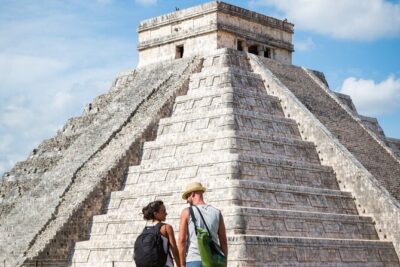
Early morning Chichen Itza Tour: Cenote and Tequila Tasting
Read our review →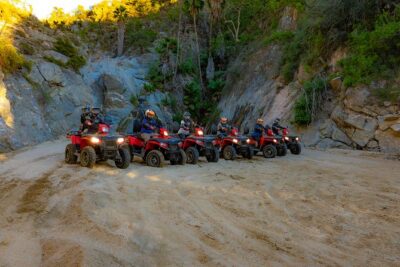
4×4 ATV Adventure with Tequila Tasting and Mexican Buffet Lunch
Read our review →
Cancun ATV Jungle Adventure, Ziplines, Cenote and Tequila Tasting
Read our review →
Winner 2025 Downtown Vallarta Food Tour with Vallarta Food Tours
Read our review →
ATV Tour, Camel Ride, Tequila Tasting and Mexican Buffet Lunch
Read our review →
Cabo Migrino Beach and Desert ATV Tour plus Tequila Tasting
Read our review →
Food & Mixology Tour:Tequila,Tacos, Mezcal and Agave Cocktails
Read our review →Browse the lists this tour appears in