
Reviewed · TURTLE RELEASE EXPERIENCES
Sea Turtle Release – A Puerto Vallarta Conservation Adventure
Tiny turtles, huge sunset memories. This Puerto Vallarta outing combines a short conservation lesson with the rare chance to help baby sea turtles reach the Pacific. I especially like the hands-on release and the chance to learn from a bilingual biologist rather than simply watch a staged animal show. The setting also adds real drama: you walk along the beach toward a turtle camp, then release hatchlings as daylight fades.
The main catch is the walk. You should be ready for about one mile total over sand, loose gravel, and possibly rocks, with part of the return walk in the dark. I also like that the tour supports nest monitoring and hatchling care, though the experience depends on nature cooperating. If no baby turtles are ready, the operator will contact you about rescheduling.
In This Review
- Key points to know before booking
- Why this Puerto Vallarta turtle outing feels different
- Starting at Marina Vallarta around 4:50 PM
- The short van ride and beach approach
- Reaching the sea turtle camp
- The sunset release, and why it is so moving
- Walking back in the dark
- Who will get the most from this experience
- Is the conservation value worth the cost?
- Booking advice and cancellation details
- Should you book the Puerto Vallarta Sea Turtle Release?
- FAQ
- How long does the sea turtle release experience last?
- Where does the tour begin and end?
- Is transportation included?
- Is the activity offered in English?
- How much walking is required?
- What happens if there are no baby turtles on the scheduled date?
- Can children participate?
- Is mosquito repellent provided?
- What is the cancellation policy?
Key points to know before booking
- Sunset is the main event: Baby turtles are released at dusk, creating a beautiful and meaningful finish.
- Expect a real beach walk: The total distance is about one mile, and sand, gravel, rocks, and darkness can make it tiring.
- The education comes first: A sea turtle biology and conservation talk helps you understand what you are about to do.
- The camp does serious conservation work: Nest monitoring and hatchling care give the release a purpose beyond a pleasant photo opportunity.
- Best for families and nature lovers: Children, couples, solo participants, and older kids can all enjoy it if they can manage the walk.
- Weather and turtle numbers matter: Poor weather or a lack of hatchlings can lead to a new date or a refund.
Why this Puerto Vallarta turtle outing feels different
Many beach excursions in Puerto Vallarta are built around scenery, food, or water sports. This one asks you to slow down and pay attention to a small, fragile animal beginning its life. That change in pace is the point.
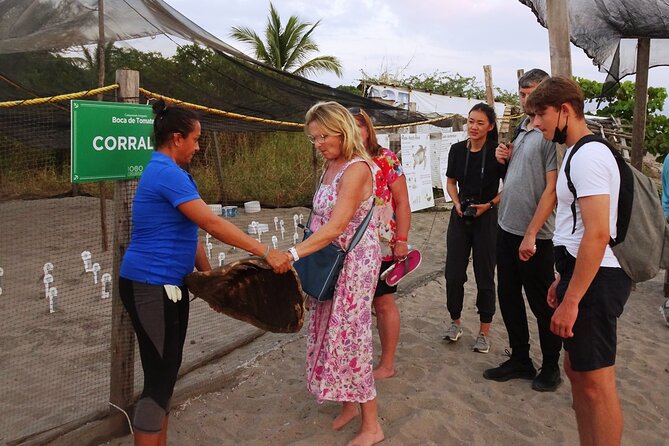
You do not simply arrive at a beach, take a picture, and leave. The visit begins with an explanation of turtle biology, the local ecosystem, and the work required to protect nests. You then walk to a conservation camp and take part in the release under the direction of a biologist.
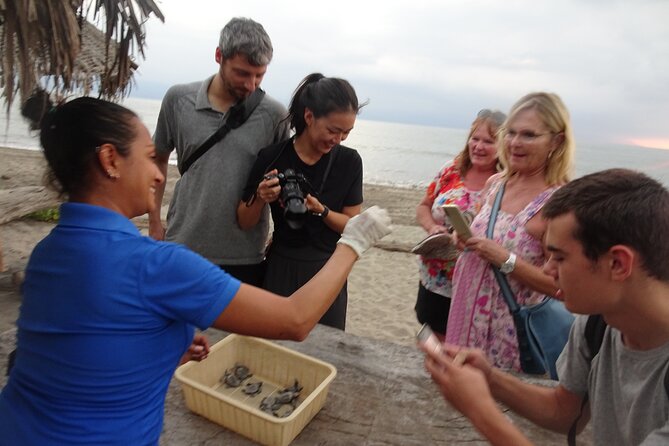
I like this structure because it gives the experience some weight. By the time you hold or carry a hatchling toward the water, you understand why timing, darkness, and careful handling matter. The setting is lovely, but the conservation lesson keeps the outing from feeling like a cute-animal encounter with no larger purpose.
The activity is also limited to a maximum of 24 participants. That is not a private tour, but it is small enough to feel manageable. A larger crowd could easily turn a delicate release into a noisy line at the water. The group limit helps preserve the calm mood.
More turtle conservation visits:
- Puerto Vallarta: Baby Turtle Release in Conservation Area
★ 4.8 · 110 reviews - The Cozumel Turtle Sanctuary Snorkel Tour
★ 4.5 · 1,041 reviews - 4 Hour Cozumel Turtle Sanctuary Experience on a Luxury Catamarán
★ 5.0 · 608 reviews
Starting at Marina Vallarta around 4:50 PM
Your meeting point is Ecotours Vallarta at Dive ShopProa 20 in Marina Vallarta. Check-in is scheduled for 4:50 PM, followed by a 5:00 PM meeting with the guide and the rest of the group.
This early portion is useful, not filler. You have access to restrooms before leaving, and the guide gives a short presentation on sea turtle biology and conservation. A PowerPoint-style talk has been part of the introduction, with subjects ranging from the life cycle of turtles to the ways human activity affects the coast.
The guides receive some of the strongest praise from this experience. Michael is repeatedly singled out for his clear explanations and passion for the work. Maggie and Francis are also noted as friendly and well-informed. The tour is offered in English, and the biologist guide is bilingual, which helps if your group includes Spanish speakers.
One detail may catch parents off guard: the presentation includes photographs of sea turtle mating. The images are not described as graphic, but the operator could mention this before showing them. It is still a useful part of explaining the full life cycle rather than presenting turtles as cartoon-like creatures.
Bring questions. The guide is there to explain why the release happens at sunset, how nests are monitored, and how hatchlings are cared for before reaching the ocean. That background makes the later walk more interesting because you can connect what you see with the work happening at the camp.
The short van ride and beach approach
At about 5:45 PM, you leave by air-conditioned vehicle for the beach. The drive takes roughly 15 minutes, according to the practical experience of people who have taken the outing, and the road can feel bumpy at times. The vehicle includes bottled water, and snacks such as a granola bar, juice, and soda are provided.
The drive is short, but it matters if you are planning your afternoon. The tour begins in the late afternoon and returns around 7:15 PM, so it takes about two hours from office to office. You will not need to arrange a separate taxi at the beach because transportation is included, and the activity ends back at the original meeting point.
After the drive comes the part you should take seriously: a beach walk. The official description calls it a gentle 10-minute walk of under half a mile each way, while practical reports describe roughly 15 to 20 minutes each way. The total walking requirement is listed as about one mile over sand and loose gravel.
That difference probably comes from the exact beach conditions and pace of the group. Either way, do not treat this as a walk from a parking lot to a resort beach. You may cross soft sand, uneven ground, and rocks, and the return happens after sunset. Wear shoes that stay secure and are comfortable on uneven surfaces.
As you walk, the guide discusses the coastal environment and mangroves. Some groups have also spotted birds and crocodiles near a reservoir, and one especially lucky outing saw a female turtle coming ashore to lay eggs. Those sightings are possibilities, not promises, but they show why the walk is more than a transfer from van to camp.
Reaching the sea turtle camp
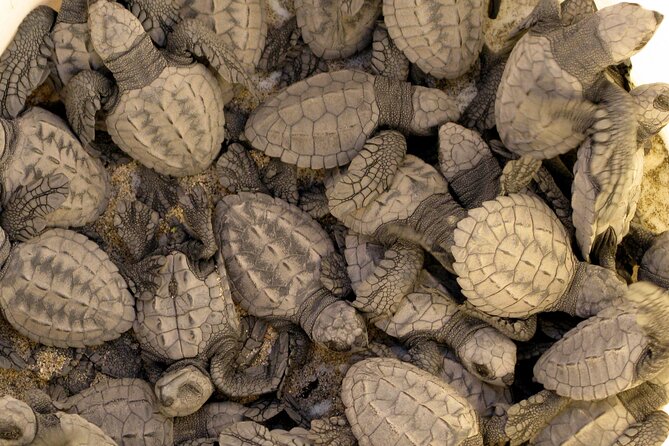
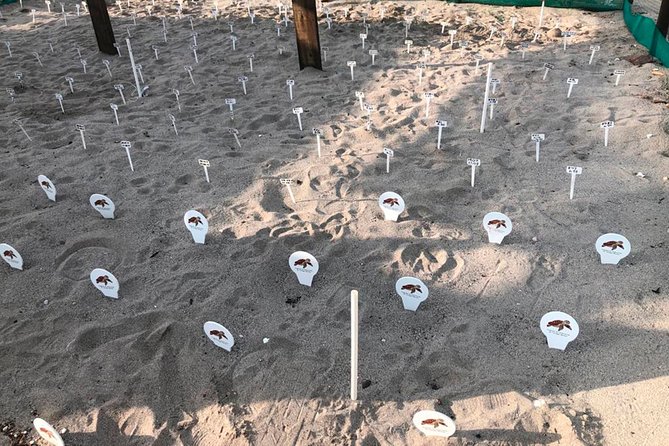
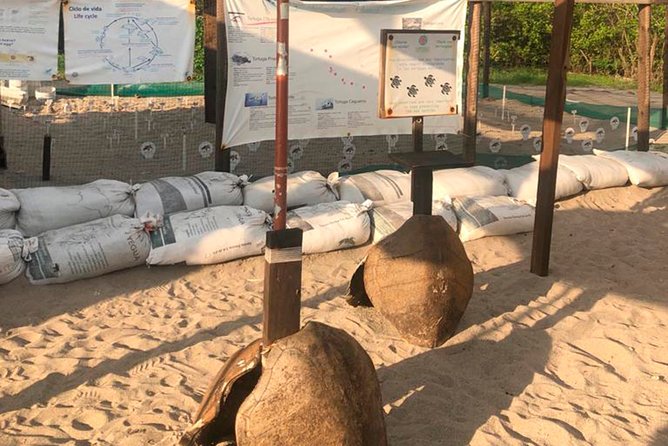
The camp is where the conservation work becomes visible. You are introduced to the people and procedures involved in nest monitoring and hatchling care. This is an important part of the visit because it shifts your attention from one evening’s release to the longer effort behind it.
Sea turtle conservation is not just about putting hatchlings in the surf. It involves protecting nests, watching for hatchlings, and deciding when and how to release them. The camp gives you a glimpse of that work without turning the tour into a technical field course.
I appreciate that the activity places the release in the hands of a biologist. You receive instructions before approaching the turtles, and the process is organized so the animals can make their own way toward the ocean. The point is not to carry a turtle into the water or pose with one for a long time. The point is to give it a safe start at the shoreline.
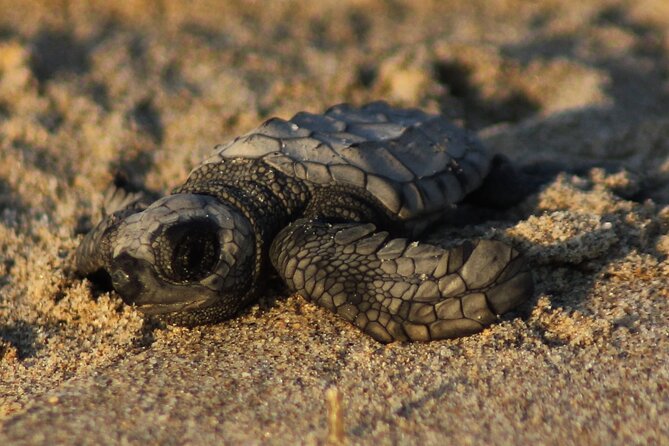
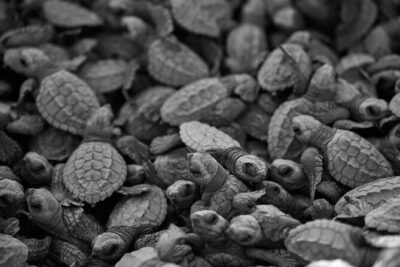
Depending on the night, you might see a small group of hatchlings or hundreds. One outing had about 100 baby Olive Ridley turtles, while another involved turtles that were only about half an hour old. That uncertainty is part of the appeal, but it is also the tour’s main limitation. Nature does not keep a fixed schedule.
If no baby turtles are ready on your date, the operator will contact you to arrange another date. The activity can also be canceled for poor weather or if its minimum number of participants is not reached. In those cases, you are offered a different date or a full refund.
A few more reviews worth comparing before you book
- Puerto Vallarta Best Zipline Canopy + Tequila and Speed Boat Ride
★ 5.0 · 3,786 reviews - Winner 2025 Downtown Vallarta Food Tour with Vallarta Food Tours
★ 5.0 · 3,738 reviews - Extreme Adventure, Wildest Bridge, ATV & Ziplines
★ 5.0 · 3,179 reviews - Mega Yacht ALL INCLUSIVE Yelapa Waterfall & Snorkeling Adventure
★ 5.0 · 2,515 reviews
The sunset release, and why it is so moving
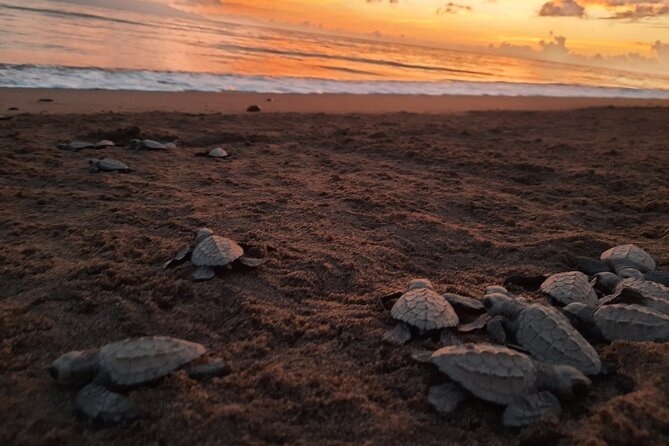
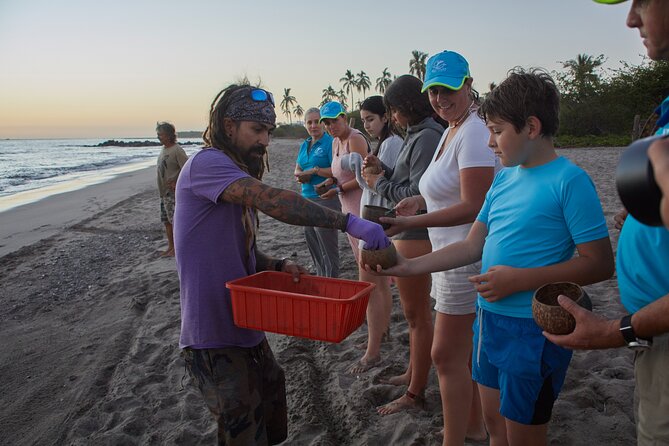
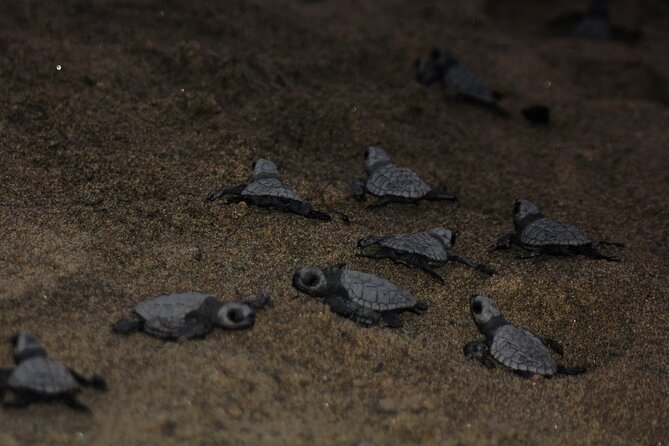
The release takes place around sunset. Each participant may get to name a turtle before setting it on the sand, which adds a personal touch without changing the animal’s natural journey. Families have enjoyed watching the hatchlings race toward the ocean, although the real beauty is seeing them move under their own power.
The timing is not just scenic. Releasing hatchlings at dusk helps reduce exposure to predators compared with sending them out in full daylight. You can watch the turtles cross the beach, then disappear into the waves. That small journey feels surprisingly powerful.
The sunset also gives the event a quiet visual finish. The beach darkens, the water takes over the scene, and the turtles become difficult to see once they reach the surf. You should not expect a long, slow release ceremony. One participant felt the final release was rushed because the group arrived late, so the timing of the walk can affect how much time you have at the shore.
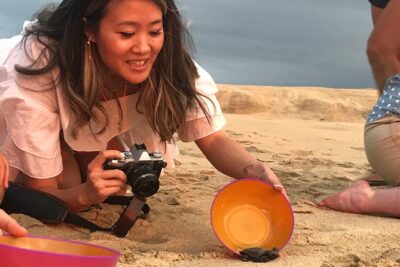
Parents should prepare young children for a brief, hands-on task rather than a long animal encounter. Children under seven are expected to receive help from a parent when carrying a coconut to the sand, where the hatchlings are released. The coconut detail is part of the setup, and adult assistance keeps the process manageable for small children.
The emotional side is real. A six-year-old reportedly became tearful after saying goodbye to her turtle, while other children continued talking about the experience long afterward. I can see why this works so well for families: it gives children something memorable to care about, while the biology lesson gives that feeling some context.
Walking back in the dark
The return walk is where the outing earns its practical warnings. The route may be easy enough in daylight, but sand, loose gravel, rocks, and darkness make it harder on the way back. Some older participants have struggled, and the activity is not recommended for people who have trouble walking.
You should also think carefully if you are pregnant, particularly in an advanced stage, because of the distance and uneven surface. The activity is not designed for wheelchair access or for anyone who needs a smooth, level path.
Mosquito repellent is not included, and it is listed as essential for comfort and protection. Apply it before departure, then bring more if you normally need it outdoors. Closed-toe shoes, a light layer, and clothing you can move in are sensible choices. You may also want a small flashlight for the return, though the supplied information does not confirm that one is provided.
The van takes you back to Ecotours Vallarta at about 7:15 PM. Restrooms and transportation arrangements are available at the office. Since the activity begins and ends at the same place, it is easy to fit into a day based in Marina Vallarta, provided you leave enough time before your evening plans.
Who will get the most from this experience
I would recommend this outing most strongly to families with children who can walk independently, couples looking for a meaningful sunset activity, and solo participants who enjoy nature education. Teenagers may also approve because the release is active rather than a sit-down lecture.
The guides are especially good with questions and children. The pace includes a talk, a drive, a beach walk, and a short release, so you get variety without committing to a full-day excursion. Snacks and bottled water are small extras, but they are welcome after walking on the beach.
This is not the right choice if you want a guaranteed animal sighting, a fully accessible route, or a polished resort-style activity. You need to accept changing weather, changing turtle numbers, and uneven ground. The experience may also be less comfortable for people who dislike insects or walking back after dark.
The high satisfaction rating, 4.9 out of 5 from 120 ratings, fits the activity’s strongest qualities: the guides, the educational introduction, and the chance to support conservation directly. The 97 percent recommendation rate also suggests that the outing delivers what it promises when conditions cooperate.
Is the conservation value worth the cost?
A price is not provided here, so I cannot judge the exact peso value. I can judge what you receive: air-conditioned transportation, a bilingual biologist guide, bottled water, snacks, an educational presentation, access to a turtle camp, and the release itself.
The real value is in the conservation connection. Your booking helps support a program involved in nest monitoring and hatchling care, and you leave with a clearer idea of why those efforts matter. If you are comparing this with a standard sightseeing trip, the turtle release offers a more memorable and purposeful use of two hours.
It is also a compact activity. You do not spend an entire day in transit, yet you still get instruction, a coastal walk, a camp visit, and a sunset event. For families, that shorter format can be easier than a long excursion with tired children.
The value drops if you cannot manage the walk or if your main goal is guaranteed close-up contact with animals. This is a release, not a petting experience. The turtles should move toward the sea, not remain available for handling.
Booking advice and cancellation details
Mobile tickets are available, and confirmation is normally sent at booking. If you book within four hours of departure, confirmation may arrive later, subject to availability, so last-minute plans carry some uncertainty.
You can cancel at least 24 hours before the local start time for a full refund. Cancellations or changes made less than 24 hours ahead are not refunded or accepted. Since poor weather can cancel the outing, keep your schedule flexible if the forecast looks unsettled.
The most important booking question is simple: can everyone in your group walk about one mile on sand and loose gravel? If the answer is no, choose another activity. If the answer is yes, book with mosquito repellent, secure shoes, and realistic expectations about nature’s timetable.
Should you book the Puerto Vallarta Sea Turtle Release?
Yes, if you want an experience that mixes real conservation work, a beautiful sunset, and a small but memorable adventure. The guides, especially Michael, add useful context, and the release gives children and adults a direct connection with local wildlife.
I would skip it if you need flat, easy access, dislike evening walks, or cannot accept the possibility of rescheduling when no hatchlings are available. For everyone else, this is one of Puerto Vallarta’s strongest nature activities, not because it is elaborate, but because it lets you help a fragile animal begin its journey in a respectful setting.
FAQ
How long does the sea turtle release experience last?
The activity lasts approximately two hours. Check-in is at 4:50 PM, departure follows at 5:00 PM, and return to the Ecotours Vallarta office is scheduled for about 7:15 PM.
Where does the tour begin and end?
It begins and ends at Ecotours Vallarta, Dive ShopProa 20, Marina Vallarta, 48335 Puerto Vallarta, Jalisco, Mexico.
Is transportation included?
Yes. An air-conditioned vehicle transports participants between the office and the beach area. Bottled water and snacks are also included.
Is the activity offered in English?
Yes. The activity is offered in English, and the biologist guide is bilingual.
How much walking is required?
All participants must be able to walk about one mile in total over sand and loose gravel. The route may also include rocks, and the return walk takes place after sunset.
What happens if there are no baby turtles on the scheduled date?
If no baby turtles are available, the sales staff will contact you to reschedule the reservation. Poor weather can also lead to a different date or a full refund.
Can children participate?
Most children can participate if they can manage the walk. Parents assist children under seven with carrying a coconut to the sand, where the hatchlings are released.
Is mosquito repellent provided?
No. Mosquito repellent is not included, and it is considered essential for comfort and protection during the outing.
What is the cancellation policy?
You can cancel at least 24 hours before the local start time for a full refund. Cancellations and changes made less than 24 hours before the start are not accepted or refunded.
Just added around Puerto Vallarta
- Butterflies, City tour, tequila, and beach (kids free)★ 4.5 · 104 reviews
- Mountain Tour Puerto Vallarta Electric Bikes★ 5.0 · 104 reviews
- Private Tour: El Eden ATV Adventure from Puerto Vallarta★ 5.0 · 107 reviews
- Scuba Diving Marietas Islands★ 4.5 · 107 reviews
- Paddleboard and Snorkeling Experience in Los Arcos★ 5.0 · 107 reviews
- Puerto Vallarta City Tour★ 4.0 · 107 reviews
- Guaranteed Hidden Beach • Small Group Tour • Punta Mita★ 5.0 · 109 reviews
- Private Whale Watching Tour in Puerto Vallarta★ 5.0 · 109 reviews
Turtle Release Experiences, compared.
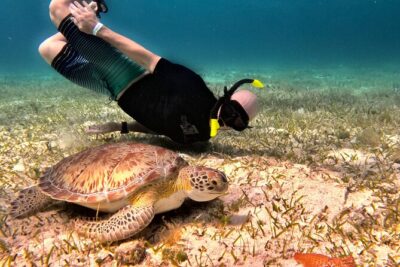
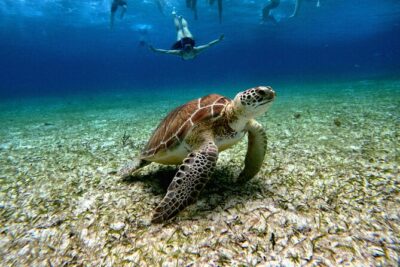
4 Hour Cozumel Turtle Sanctuary Experience on a Luxury Catamarán
Read our review →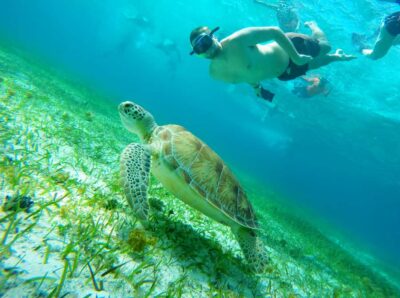
Starfish, Stingrays and the Turtle Sanctuary Snorkel Tour
Read our review →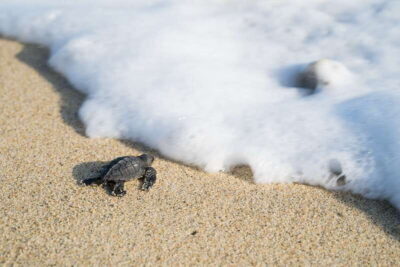
Browse the lists this tour appears in