
Reviewed · OAXACA TOURS
Prepare an Oaxacan Mole by a Traditional Cook
Mole is a meal, not a quick recipe. This Oaxaca City experience pairs a local market visit with hands-on cooking, so you learn about peppers, herbs, corn dough, and the many steps behind a traditional Oaxacan mole. I especially like the chance to shop for ingredients with the cooks and the generous meal served at the end. The main caution is that some participants have found the teaching uneven, with plenty of chopping but not always a clear view of how the mole is finally combined and cooked.
The class lasts about three and a half hours and costs $59.68 per person. That is a fair price if you want lunch, drinks, a market walk, and active kitchen work in one outing. You should also confirm the group size and class format before booking, since the information gives both a maximum of four and a separate maximum of twelve people.
In This Review
- Key points to know before you book
- Starting at TeoLab near Oaxaca’s Zócalo
- Shopping for chiles, corn, herbs, and local surprises
- Inside the kitchen: chopping, grinding, pressing, and grilling
- The mole lesson is hands-on, but watch the final method
- Sitting down to the meal you helped create
- How much value do you get for $59.68?
- Who will enjoy this Oaxaca cooking class?
- Practical advice for a smoother afternoon
- Should you book Prepare an Oaxacan Mole by a Traditional Cook?
- FAQ
- Where does the Oaxacan mole cooking experience begin?
- Where does the activity end?
- How long does the experience last?
- What is included in the price?
- Is the experience offered in English?
- What food will I prepare?
- Is the activity suitable for people with knee problems or people who use canes?
Key points to know before you book
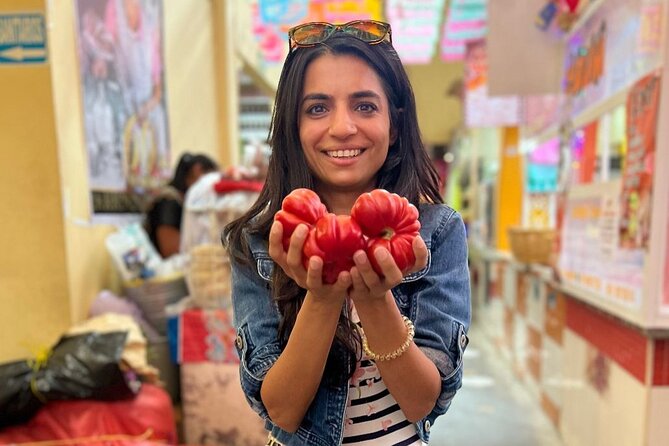
- The market visit comes first: You walk to a local market with the cooking team, learn about regional ingredients, taste selected foods, and help choose what goes into the meal.
- Mole is only part of the feast: The cooking can include traditional sauces, rice, vegetables, tortillas, quesadillas, memelas, or tetelas, depending on the day’s menu.
- You work with your hands: Expect to chop, rinse, grind, fry, press, grill, and assemble food rather than simply watch a chef demonstrate.
- The instructors vary: Víctor, Wendy, Yara, Armando, Liz, and other local cooks are named in the feedback, with Víctor receiving especially warm praise for his friendly teaching style.
- The meal is included: Bottled water, lunch, and alcoholic drinks for people age 18 and older are included. Mezcal may be part of the tasting.
- Ask questions about the class setup: Some people felt they prepared ingredients without seeing the final mole-making process clearly. Group size and the vegetarian format may also need confirmation.
Starting at TeoLab near Oaxaca’s Zócalo
The meeting point is TeoLab at Xicoténcatl 609, Centro, Oaxaca de Juárez. The activity returns to this same location, which keeps the logistics simple if you are staying in central Oaxaca.
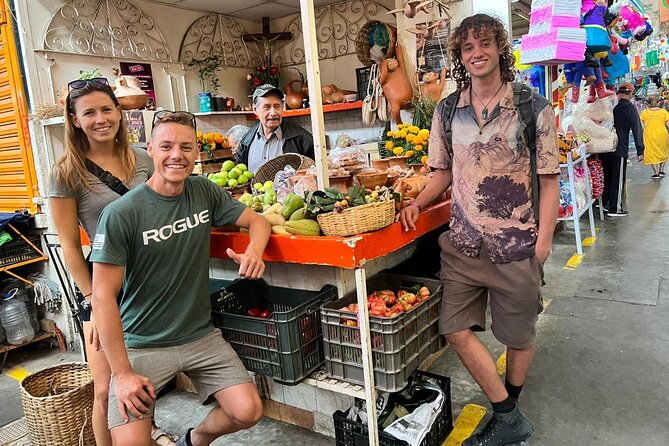
The schedule begins with a walk to a local market. This is not just a shopping errand. It gives you a useful introduction to the building blocks of Oaxacan cooking before you enter the kitchen. The cooks explain local vegetables, dried chiles, herbs, corn, cheese, and other regional products, often using both Spanish and English names.
You may also taste ingredients along the way. One account describes sampling regional cheeses and trying unfamiliar market foods with help from the cooks. That is a nice touch because the market becomes a place to learn with your senses, not just a backdrop for photographs.
The market itself may be small, but that is not necessarily a weakness. A compact market can keep the walk focused on the ingredients needed for the meal instead of turning into a long general sightseeing tour. The tradeoff is that you should not expect a grand market expedition covering every corner of Oaxaca’s food culture.
Plan your arrival carefully. The meeting point is in the central city, and one person had trouble reaching the class after a flight, hotel check-in, and long taxi rides. The operator’s communication in that case was slow, so I would not schedule this class too close to an airport arrival or another timed activity.
A few more reviews worth comparing before you book
- Hierve el Agua, Tule Tree, Mitla and Mezcal Distillery Tour
★ 4.5 · 1,094 reviews - Explore Hierve el Agua, Mitla, Tule, Textile and Mezcal for a day
★ 5.0 · 1,043 reviews - Monte Alban Guided Half Day Tour
★ 5.0 · 880 reviews
Shopping for chiles, corn, herbs, and local surprises
Oaxacan mole is famous partly because it is not one fixed recipe. The region has several mole styles, each with its own mix of chiles, spices, seeds, fruits, herbs, and other ingredients. This class presents mole as a process, not as a sauce that magically appears beside your plate.
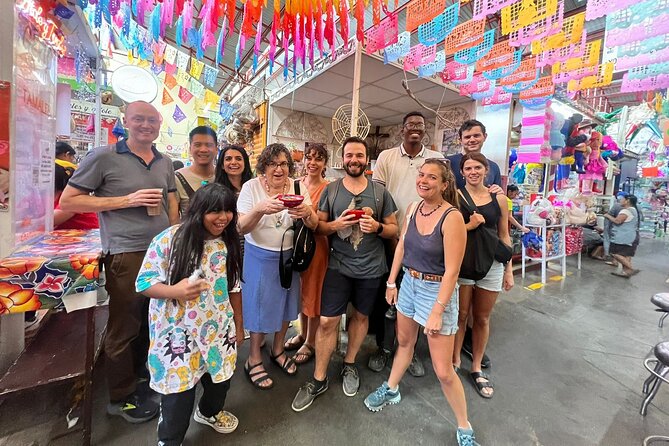
The market stop helps you see the ingredients in their everyday setting. You may meet vendors who sell special peppers, corn for tortillas, vegetables, herbs, and other products used by local cooks. The experience is at its best when the instructor explains why an ingredient matters, how it is used, and what its Spanish name means.
A locally grown ingredient may also be added as a surprise. The description suggests this could be an herb or an unusual fruit that changes the flavor of the menu. That idea fits Oaxaca well, where traditional cooking often depends on what is available locally and seasonally.
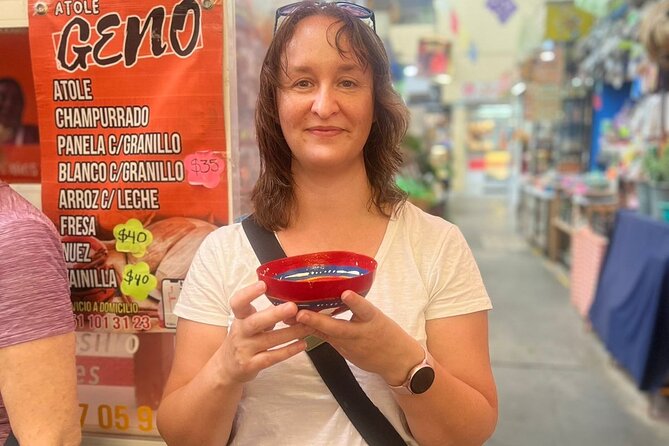
The tasting portion has another benefit. If you are unsure about a chile, cheese, herb, or fruit, you can encounter it in a small sample before seeing it folded into a dish. I like this kind of introduction because it helps you remember the flavor later when you cook at home.
Still, the market portion takes about an hour according to several accounts, so you need to enjoy food talk and walking. If you want to get straight to the stove, this may feel slow. If you want context before cooking, it is one of the strongest parts of the outing.
Inside the kitchen: chopping, grinding, pressing, and grilling
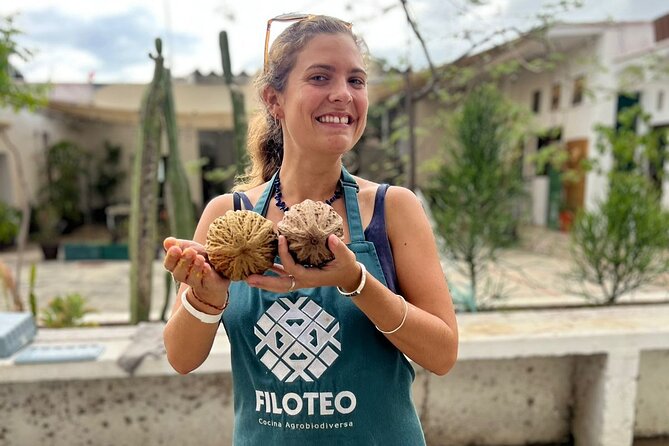
Back at TeoLab, you put on an apron and begin preparing the meal as a group. The kitchen and prep area have been described as well equipped, with enough room for small groups to work at stations.
This is a participation class. You might wash vegetables, chop ingredients, prepare chiles and spices, grind items with a mortar and pestle, and help with rice or vegetables. The traditional tools matter here. Using a molcajete and a tortilla press gives you a better feel for the work than watching an instructor do everything.
Corn dough is a major part of the class. You may make tortillas by hand and cook them on a grill, along with quesadillas, memelas, or tetelas. These are different ways of shaping and serving masa, and the lesson shows how versatile corn dough is in Oaxacan cooking.
The menu can extend well beyond mole. Past sessions have included two kinds of salsa, rice, vegetables, handmade tortillas, quesadillas, salads, and other dishes. One person described preparing what felt like a six-course meal. The formal menu lists traditional Oaxacan mole, several sauces, and dishes made with corn dough, while the actual meal may include extra accompaniments.
The cooking works through teamwork. One person may prepare salsa while another handles tortillas or vegetables. That keeps everyone busy, but it also creates the main weakness of the class. If you are assigned one task, you may not see every step of every dish.
The mole lesson is hands-on, but watch the final method
This is where expectations matter most. The class promises to teach authentic methods for preparing Oaxacan mole, and you will certainly handle many of the ingredients. You will see vegetables roasting or cooking, spices and dried peppers being ground, and the separate parts of the meal coming together.
But some participants felt they never clearly saw the final mixing and cooking of the mole. The group divided the preparation among different people, and some found themselves chopping or washing while the chef directed the process elsewhere. One person described the class as more of a food preparation session than a traditional demonstration.
I would treat this as a collaborative cooking workshop, not a private master class. You are likely to learn the purpose of many ingredients and take part in the work. You may not receive a single uninterrupted demonstration showing every mole ingredient added in exact order.
That difference matters if your main goal is to recreate the dish at home. Ask the instructor to explain the final combination as it happens, and stay close when the mole is being assembled. Do not assume the last step will be repeated for the whole group.
The guides can make a big difference. Víctor is repeatedly praised for his warmth, humor, and patient explanations, including his stories about family recipes and the origins of ingredient names. Yara is also credited with making the market visit engaging, while Armando is praised for keeping a group of seven organized and moving at a comfortable pace.
The class has been conducted in English, and one solo participant specifically found the instructor friendly and clear in that language. Still, the amount of explanation may vary by guide and by how busy the kitchen becomes.
A different sort of day out around Oaxaca:
- Oaxaca de Juarez: Monte Alban Half-Day Tour
★ 4.7 · 492 reviews - AUTHENTIC OAXACA CULTURAL FOOD TOUR, eat like a local.
★ 5.0 · 462 reviews - Oaxaca: Tule, Mitla & Hierve el Agua, & Mezcal Tour
★ 4.7 · 456 reviews - Half day tour to Monte Albán
★ 4.5 · 420 reviews
Sitting down to the meal you helped create
At the end, everyone sits down to eat the food prepared during the class. This shared meal is one of the most praised parts of the experience. After several hours of group work, the tortillas, sauces, rice, vegetables, and mole taste better because you know how much effort went into them.
The portions appear generous. Several accounts describe an abundant lunch, and the included meal makes the $59.68 price easier to justify. Bottled water is included, as are alcoholic beverages for adults. Mezcal has been part of the experience for some groups, including a short introduction to how to drink it.
The shared table also adds a social layer. Groups often include solo visitors, couples, and families from different countries. Cooking gives everyone an easy way to talk, even when you arrive as strangers. One person made new friends during the class and later shared another meal with them.
This is not a polished restaurant tasting where you sit quietly while plates arrive. You will likely help with cleanup and dishes as part of the group effort. Most people see that as a fair part of cooking together, but a few found it disappointing when the cooks appeared to supervise rather than help with the washing.
If you have a big appetite, this outing should satisfy it. The menu includes several components, and the final meal is not limited to a small serving of mole. If you prefer a light food tour with frequent stops around town, this is a different kind of experience.
How much value do you get for $59.68?
At $59.68, the price covers about three and a half hours of activity, a market visit, instruction, ingredients, lunch, bottled water, and alcoholic drinks for adults. You are also paying for access to a kitchen and for the chance to handle ingredients that may be difficult to identify or source during a normal visit to Oaxaca.
The value is strongest if you want an active cultural experience. You are not paying only for a plate of mole. You are paying to learn about local produce, work with traditional tools, prepare several dishes, and eat the result with a small international group.
The value is weaker if you expect a precise recipe lesson with individual attention. The kitchen may divide tasks among participants, and several people felt the teaching did not fully explain the final mole preparation. The recipes are supposed to be shared, and some people received them, but one person had trouble getting them afterward despite repeated messages.
I would book this for the full experience rather than for a guaranteed take-home cooking manual. If the recipes are important to you, ask about them during the class and confirm how they will be provided.
The booking details also contain a group-size mismatch. One section says the activity accepts a minimum of one and maximum of twelve people, while another says the maximum is four. Past sessions described groups of seven and ten, so I would confirm the actual size for your date. A smaller group should give you more chances to watch and ask questions.
Who will enjoy this Oaxaca cooking class?
I think this is a good match for you if you:
- Like cooking with other people rather than watching from the side
- Want to understand Oaxacan ingredients before eating them
- Enjoy market visits and tasting unfamiliar foods
- Appreciate a large meal with several handmade components
- Want a relaxed cultural activity in central Oaxaca
- Are comfortable with some group work and shared cleanup
Families can enjoy it too. One account specifically describes a child being well looked after, although the supplied details do not give a formal minimum age. If you are booking with children, ask the provider about age suitability.
Solo visitors may find it especially easy to meet people here. The work naturally creates conversation, and the final meal gives the group time to relax together.
This may not suit you if you have knee problems or use a cane, since the activity is not recommended for those conditions. You should also think twice if you dislike walking, chopping, standing, or working in a busy shared kitchen.
The class does not use products of animal or illegal origin. Past descriptions call the meal vegetarian, but the formal menu includes broad categories rather than a complete ingredient list. If you have an allergy or a strict dietary requirement, ask for the exact menu before paying.
Practical advice for a smoother afternoon
Wear clothing you do not mind cooking in. The class includes chopping, grinding, grilling, and several stages of preparation, so comfort matters more than dressing up.
Arrive at the listed meeting point on time. The market visit is part of the activity, and arriving late could mean trying to find the group after it has left. Build in extra time if you are coming from the airport, a hotel outside the center, or another part of Oaxaca.
Keep your schedule open after the class. The activity is listed at three and a half hours, but a large meal and group cooking can make the afternoon feel full. It is better not to place a tightly timed museum visit or transfer immediately afterward.
Bring questions about the mole. Ask which chiles are being used, how the ingredients are toasted, when the sauce is combined, and what changes between different Oaxacan mole recipes. You will get more from the class if you take an active interest instead of waiting for a long lecture.
Finally, confirm the date and class format before booking. The cancellation terms are strict: the experience is non-refundable and cannot be changed for any reason. There was also one serious complaint from someone who arrived to find the booking blended into a vegetarian class and received only a partial refund after declining to participate.
Should you book Prepare an Oaxacan Mole by a Traditional Cook?
Book it if you want to work with local ingredients, make tortillas and salsas, share a generous meal, and spend an afternoon learning through action. The market visit, the traditional tools, the friendly instructors, and the final feast give this experience real substance for the price.
I would be more cautious if your only goal is to master a complete mole recipe. The teaching can be excellent with a guide such as Víctor, Yara, or Armando, but the group format means you may miss part of the final sauce preparation. Confirm the class size, ask about the vegetarian menu, and make sure you understand how recipes will be delivered.
For most food-focused visitors in Oaxaca, this is a good-value way to connect ingredients, people, and cooking. Just book it as a lively shared kitchen session, not as a private chef lesson.
FAQ
Where does the Oaxacan mole cooking experience begin?
It begins at TeoLab, located at Xicoténcatl 609, Centro, Oaxaca de Juárez, Oaxaca, Mexico.
Where does the activity end?
The activity ends back at the same meeting point at TeoLab.
How long does the experience last?
The experience lasts approximately three hours and thirty minutes.
What is included in the price?
The price includes lunch, bottled water, and alcoholic beverages for participants age 18 and older.
Is the experience offered in English?
Yes. The experience is offered in English.
What food will I prepare?
The menu includes traditional Oaxacan mole, several traditional sauces, and dishes made with corn dough. The cooking may also include tortillas, memelas, tetelas, quesadillas, rice, vegetables, or other accompaniments.
Is the activity suitable for people with knee problems or people who use canes?
No. The activity is not recommended for people with knee problems or people who use canes.
Just added around Oaxaca
- Bike tour to the Tule Tree and the Gastronomic Market★ 5.0 · 34 reviews
- Market tour and all gastronomy included⭐️⭐️⭐️⭐️⭐️★ 4.6 · 35 reviews
- Hierve el Agua Half-Day Guided Hike Adventure ALL FEES INCLUDED★ 5.0 · 35 reviews
- Street Food and 3 Markets Tour, Meat or Veggie Options★ 5.0 · 35 reviews
- The Late Shift: Tasting Oaxaca, by Night★ 5.0 · 35 reviews
- Oaxaca: Hierve el Agua & Mezcal Distillery Small-Group Tour★ 4.7 · 40 reviews
- Ultimate Hierve el Agua Hike + Textile Art★ 5.0 · 42 reviews
- Culture, History and Food in Oaxaca City★ 5.0 · 43 reviews
Oaxaca Tours, compared.

Hierve el Agua, Tule Tree, Mitla and Mezcal Distillery Tour
Read our review →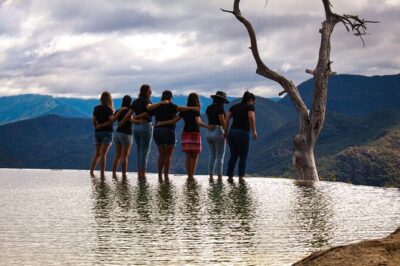
Explore Hierve el Agua, Mitla, Tule, Textile and Mezcal for a day
Read our review →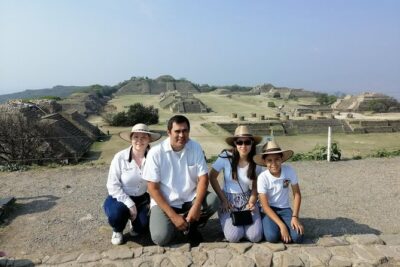
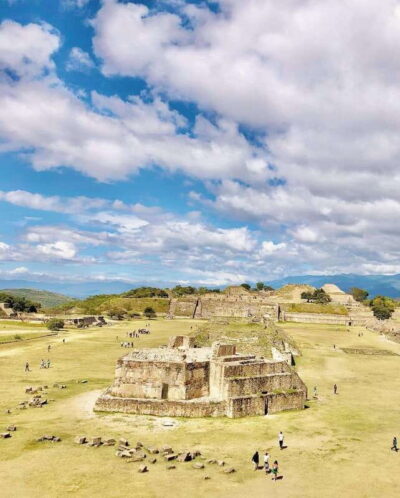
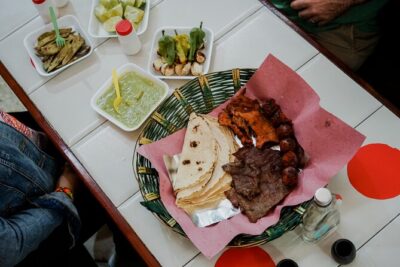
AUTHENTIC OAXACA CULTURAL FOOD TOUR, eat like a local.
Read our review →

Browse the lists this tour appears in