
Reviewed · SCUBA DIVING
Open Water Course Cozumel
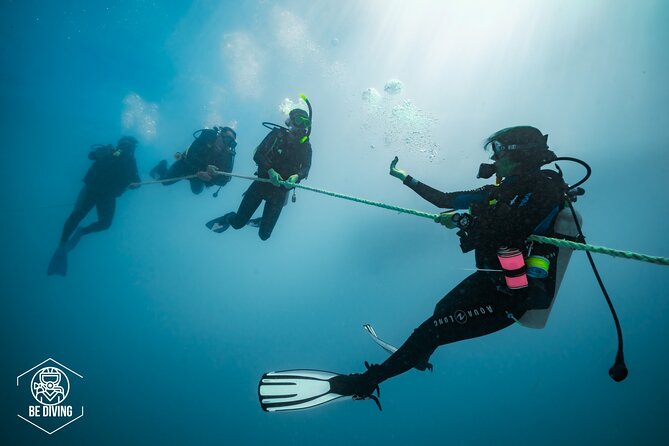
The underwater world starts here. This PADI Open Water course combines classroom learning, pool practice, and four supervised ocean sessions in a 2 or 3 day format, giving you a serious introduction to scuba rather than a quick resort tryout. I especially like the choice between online study and classroom lessons, plus the strong focus on buoyancy, trim, safe habits, and marine care. The main consideration is the price: at $600 per person, it is a sizable commitment, though it includes the full certification process rather than a single introductory outing.
I also like the patient teaching style associated with instructors such as Jon, Mariana, and Cata. Beginners are given time to become comfortable, and the small on-site pool can make awkward early skills easier to practice. You should pay close attention to the meeting details, however, since the course information names San Miguel de Cozumel as the start point while also giving a Playa del Carmen ticket address and describing sessions around Playa del Carmen, Tulum, and Cozumel.
In This Review
- Key points to know before booking
- What the $600 course is really buying
- Day one: theory, equipment, and the small pool
- Day two: Casa Cenote and the first open-water skills
- Day three: Cozumel and the Mesoamerican reef
- Why the instruction earns strong praise
- The conservation lesson is part of the training
- Who will get the most from this course
- Timing, meeting points, and cancellation rules
- Is the Open Water Course Cozumel worth booking?
- FAQ
- How long does the Open Water course take?
- Is the theory completed online or in a classroom?
- Where does the course start?
- How many open-water sessions are included?
- Is this a private activity?
- What happens if bad weather cancels the course?
Key points to know before booking
- Finish in two or three days: The schedule can suit a short holiday, provided you complete the theory and skills required.
- Four supervised open-water sessions: You practice what you learn in the pool and classroom in real underwater settings.
- Cozumel reef finale: The course can include ocean sessions along the Mesoamerican reef near Cozumel.
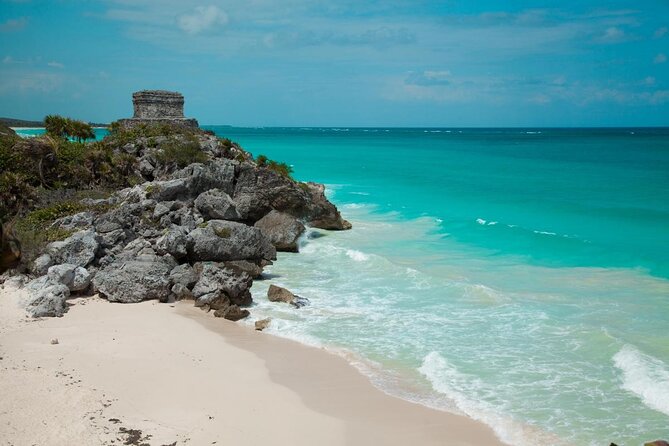
- Casa Cenote option: Training examples include two early sessions at Casa Cenote near Tulum, a setting with fish and clear freshwater conditions.
- Patient, skills-first instruction: Jon, Mariana, and Cata are praised for calm communication, careful practice, and helping beginners progress at their own pace.
- Private activity: Only your group participates, an advantage if you want personal attention rather than a large class.
What the $600 course is really buying
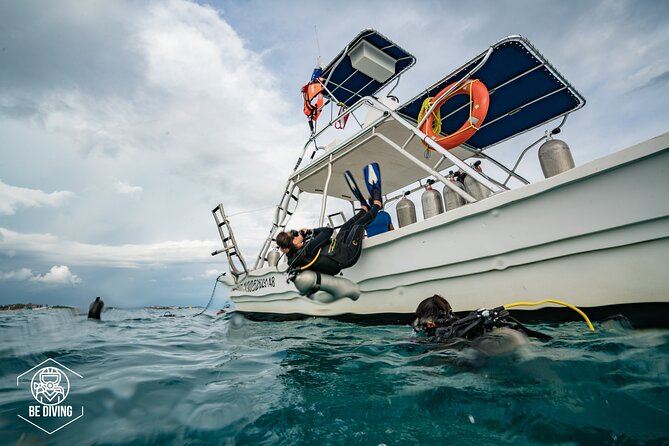
At $600 per person, this is not the cheap way to spend a morning in the Caribbean. It is a complete entry-level scuba qualification, with theory, confined-water training, equipment instruction, and supervised open-water practice. That difference matters. A one-time introductory session may let you breathe underwater, but this course is designed to give you the basic skills and understanding needed to continue scuba around the world.
The value is strongest if you already know you want to scuba regularly. You learn to handle a mask, snorkel, fins, regulator, buoyancy control device, and tank, then use those tools in controlled and open-water settings. Your instructor checks your progress rather than simply moving the group along.
The course also places unusual emphasis on responsible underwater behavior. You are taught to control your body position, avoid stirring up sand, and protect coral. That may sound like a small detail, but good buoyancy is the foundation of both safe scuba and respectful marine sightseeing.
The price deserves a practical check before you commit. The supplied details do not spell out every inclusion, such as photos, meals, equipment rental terms, or transportation on every day, so ask for a precise breakdown. One participant specifically described transport and lunch being handled during the training days, while another noted that underwater videos could be purchased afterward. Treat those as useful possibilities, not guaranteed inclusions for every booking.
More Diving Trips in Cozumel
- Discover Scuba Diving in Cozumel Paradise Reef
★ 5.0 · 686 reviews - SeaTrek Underwater Helmet Diving Experience in Downtown Cozumel
★ 4.5 · 214 reviews - Cozumel Scuba Dive at Chankanaab
★ 5.0 · 153 reviews
Day one: theory, equipment, and the small pool
Your first stage is Knowledge Development. You can complete the theory online as independent study or take it in a classroom. The online option saves holiday time, but classroom learning may suit you better if scuba terms, pressure, safety rules, and equipment feel unfamiliar.
This section is not busywork. You need to understand basic scuba principles before you start handling problems underwater. The instructor also has a chance to answer questions and confirm that you understand the important points, rather than relying only on a computer course.
The next step is confined-water training. The course uses an on-site pool, described as small but useful for beginner buoyancy work. A compact pool can be a real advantage during your first attempts. You can focus on breathing, body position, gear handling, and basic skills without the distractions of waves, current, or a large open setting.
Expect to spend time becoming comfortable with the equipment. You learn how the regulator supplies air, how the buoyancy control device affects your position, and how the mask, fins, snorkel, and tank work together. The point is not to rush through a checklist. It is to build enough calm and control that you can think clearly underwater.
That teaching pace is one of the strongest reasons to consider this course. Jon is praised for giving beginners time to practice, while Mariana is described as patient and reassuring. The best sign is not simply that people enjoyed themselves. It is that the instruction aimed to make students self-sufficient, so you learn to manage your own basic skills instead of depending on an instructor for every move.
Day two: Casa Cenote and the first open-water skills
A two-day version can include the theory and confined-water work followed by open-water practice, while the three-day format gives the course more breathing room. The exact order may depend on your booking, weather, and instructor plan, so confirm the schedule in advance.
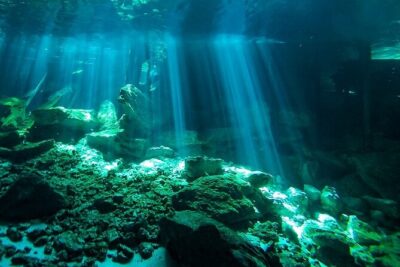
One described itinerary uses Casa Cenote near Tulum for the first two open-water sessions. This gives you a change from pool practice and lets you use your new skills in a real aquatic setting. The cenote is described as beautiful and home to fish, with conditions that helped beginners concentrate on the lessons.
Casa Cenote is not the same experience as an ocean reef. The freshwater setting can feel quieter and more contained, while the fish and unusual surroundings add interest. For a new scuba student, that balance can be helpful. You get the excitement of a real location without beginning in the full complexity of the open sea.
Before each session, the instructor explains its goal. That habit is worth noting. If you know you are working on buoyancy, mask skills, or another specific task, you can focus your attention instead of simply floating from one sight to the next.
After practicing the required skills, you have time to look around. The course is still training, not a sightseeing cruise, so expect instruction to come first. You may also have the chance to purchase underwater pictures or video afterward, but those images are not presented as part of the $600 price.
Travel between locations can affect your day. A participant described the crew handling transport and lunch for the Casa Cenote sessions, which made it easier to concentrate on the course. Still, you should verify exactly what is included for your dates, especially if you are arranging accommodation or connecting this course with other plans.
Day three: Cozumel and the Mesoamerican reef
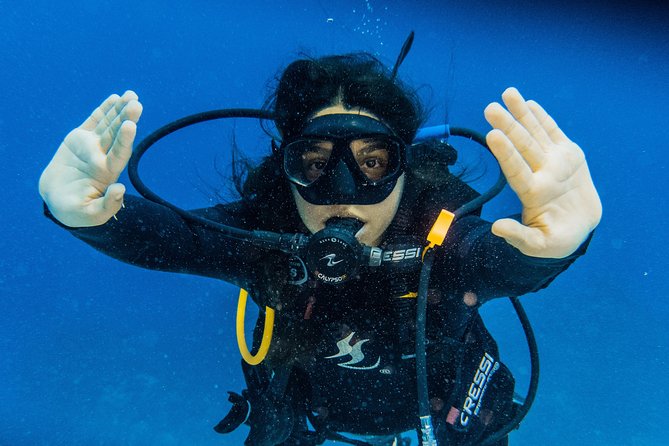
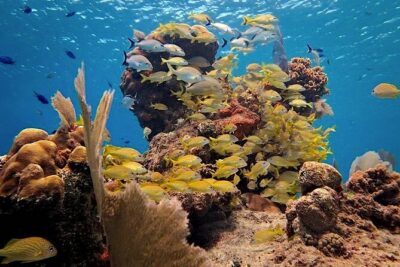
The final open-water sessions can take place around Cozumel, where the course reaches the Caribbean and the Mesoamerican reef. One account describes taking the ferry from the Playa del Carmen area and completing two final ocean sessions along the reef.
This is the part many beginners imagine when they first think about scuba: a broad marine setting, reef life, and the chance to use skills outside a training pool. It is also the point at which sound instruction matters most. You are no longer practicing in a small, controlled space. You need to manage your breathing, buoyancy, equipment, and awareness while enjoying the surroundings.
The Cozumel sessions are presented as a beautiful final step, but you should keep realistic expectations. This is a certification course, not a dedicated wildlife photography trip. Skills and safety remain the priority, and the instructor may pause the sightseeing to correct technique or repeat an exercise.
That is a good trade. A student who learns proper buoyancy and fin control will cause less harm to coral, use air more efficiently, and feel more relaxed on future outings. The course’s environmental message is not an extra lecture tacked onto the end. It is tied to how you move underwater from the start.
The trip arrangement needs careful checking. The information lists San Miguel de Cozumel as the starting point and ending point, but the ticket redemption address is in Playa del Carmen. The course descriptions also refer to Playa del Carmen, Tulum, and Cozumel. Ask where you must meet on each day, how ferry travel is organized, and whether you need to arrange your own transfer.
More dive sites worth booking:
- Cozumel Shore Excursion: Mini-SUB Diving Adventure
★ 4.5 · 151 reviews - Cozumel: One Tank Scuba Dive and Full Chankanaab Park Access
★ 4.9 · 149 reviews - 2 Tank Morning Dive: Scuba Diving in Cozumel
★ 5.0 · 148 reviews - 2 dives in Cozumel (for certified divers only)
★ 4.5 · 141 reviews
Why the instruction earns strong praise
The most important quality in beginner scuba instruction is not charm. It is patience combined with clear safety teaching. This course receives its strongest praise for exactly those traits.
Jon is described as teaching trim, buoyancy, and finning methods from the beginning. Those are not cosmetic skills. Trim keeps your body in a more efficient position, buoyancy helps you control depth without damaging the bottom, and good fin technique reduces unnecessary effort.
Mariana is praised for making a first scuba experience feel comfortable. That matters because fear or uncertainty can make a new student rush, hold a poor position, or miss instructions. A calm instructor gives you room to ask questions and repeat a skill until it makes sense.
Cata is also named as part of the teaching team, with the wider staff described as experienced and attentive. The activity is private, so your group is the only group taking part. That can mean more direct feedback, though the exact student-to-instructor ratio is not provided and should be confirmed.
One especially useful feature is underwater communication. The course goal is not just to have an instructor point the way. You are shown what each session is meant to accomplish, then guided toward handling more of your own decisions. That approach should help you continue safely after certification.
The course appears to suit different ability levels within one group as well. One group included friends who were only taking a single day of scuba, and the team worked to accommodate both the certification students and the day participants. If your party has mixed plans, ask about the current arrangements rather than assuming every group can be combined.
The conservation lesson is part of the training
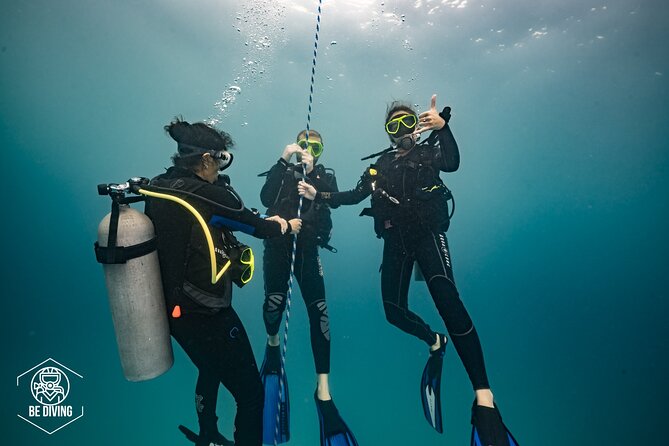
Cozumel’s reef is not just a backdrop. It is a living place that can be damaged by careless fins, poor buoyancy, and contact with coral. The course teaches marine conservation alongside basic scuba, which gives the environmental message practical force.
You learn that responsible movement underwater begins with control. Kicking up sand can reduce visibility and smother nearby life, while touching coral can cause damage even when the contact seems minor. A student who learns to hover calmly is better prepared to enjoy reefs without treating them like an obstacle course.
This focus also improves your own experience. Better control means less frantic finning, steadier breathing, and more time to notice fish and reef details. You get more from the session when you are not constantly correcting your position.
Who will get the most from this course
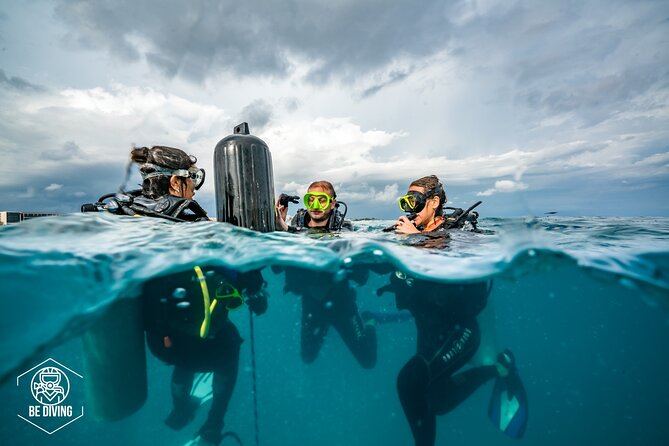
This is a good fit if you want a recognized entry-level scuba qualification and prefer careful instruction over a quick tourist activity. It also suits you if you are willing to study, practice, and accept that the first sessions may feel technical before they feel effortless.
The course should appeal to:
- First-time scuba students who want patient guidance
- Couples or friends who prefer a private group
- Short-stay visitors who need a two or three day format
- People who care about reef protection and good underwater habits
- Students who want both pool practice and real ocean experience
- Beginners who may feel nervous and need time to build confidence
It may not suit you if you want a relaxed single-session outing with no theory. It may also be a poor match if your holiday schedule cannot handle several training stages, travel between Playa del Carmen, Tulum, and Cozumel, or possible weather changes.
The stated requirement is a moderate level of physical fitness. You should take that seriously. Scuba involves equipment, water skills, and repeated practice, so it is not simply a passive boat trip.
Timing, meeting points, and cancellation rules
The listed duration is approximately three days, although the course can be completed in two or three days. The activity starts and ends at the meeting point, with San Miguel de Cozumel listed as the main location. The ticket redemption point is 10 Avenida Nte. 173-5, Gonzalo Guerrero, Playa del Carmen.
Because those locations do not tell one simple story, contact Be Diving Scuba Academy before booking and request a day-by-day meeting plan. This is particularly important if you are staying in Playa del Carmen, visiting Tulum, or arriving directly in Cozumel.
The course is offered in English and confirmation is provided when you book. It is near public transportation, and only your group participates. The activity requires suitable weather and a minimum number of participants. If poor weather or insufficient bookings cancel the course, you can choose another date or experience, or receive a full refund.
For your own cancellation, cancel at least 24 hours before the local start time for a full refund. Changes or cancellations inside that 24 hour window are not accepted and are not refunded.
Is the Open Water Course Cozumel worth booking?
I would recommend this course if you want to become a capable beginner scuba student, not just try breathing underwater once. The combination of online or classroom theory, pool practice, four open-water sessions, private-group instruction, and reef conservation makes the $600 price easier to justify.
Book it especially if instructors such as Jon or Mariana are available for your dates and you value a patient teaching pace. Before paying, confirm the exact locations, transportation, meals, equipment terms, video costs, and whether the two-day or three-day plan fits your schedule.
Skip it if you only want a short recreational outing or dislike structured training. But if you are ready to learn proper buoyancy, care for marine life, and earn a certification you can use on future trips, this course offers a thoughtful start in the waters around the Riviera Maya and Cozumel.
FAQ
How long does the Open Water course take?
The course can be completed in two or three days, depending on your availability and the schedule arranged with the instructor.
Is the theory completed online or in a classroom?
You can choose online independent study or classroom-based theory, according to the course arrangement and your preference.
Where does the course start?
San Miguel de Cozumel, Quintana Roo, Mexico, is listed as the start point, and the activity ends back at the meeting point. A Playa del Carmen ticket redemption address is also provided, so confirm the exact meeting location before booking.
How many open-water sessions are included?
The course structure includes open-water practice after the theory and confined-water work. One described three-day plan uses two sessions at Casa Cenote and two final sessions around Cozumel.
Is this a private activity?
Yes. Only your group participates in the activity.
What happens if bad weather cancels the course?
You can be offered a different date or experience, or receive a full refund. The course also may be canceled if its minimum number of participants is not reached.
Just added around Cozumel
- Cozumel: Mayan Ruins Guided Tour with Snorkeling & Lunch★ 3.9 · 35 reviews
- Magnificent Exploration to El Cielo Palancar and Columbia Reefs★ 3.5 · 35 reviews
- RZR Jungle Off Road to Jade Cavern & Chula’s Beach Club★ 4.5 · 35 reviews
- Super Cozumel Combo Snorkel by Boat and Jeep Exploration (Private)★ 4.5 · 36 reviews
- The Original Cozumel Zipline Adventure★ 4.5 · 36 reviews
- Best Cozumel Beach Day Pass + Food + Drinks San Francisco Beach★ 4.0 · 37 reviews
- Playa Uvas Open Bar Exclusive Pass★ 4.5 · 37 reviews
- Power Snorkel by Sea Scooter & Flavored Tequila tasting★ 5.0 · 38 reviews
Scuba Diving, compared.
Diving in the Mexican Caribbean for Beginners | 2 Tanks 2 Dives | All Inclusive
Read our review →
2-Tank Scuba Dive in Cabo San Lucas Reserve for Certified Divers
Read our review →
Discover Scuba Diving & Beach Club with Transportation In Riviera Maya
Read our review →
Two Tanks Scuba Diving for Beginners in Cancun
Read our review →Browse the lists this tour appears in