
Reviewed · MONTE ALBAN TOURS
Oaxaca: Monte Alban and the Art of Oaxaca
Oaxaca’s best day trips connect past and present. This seven-hour outing links Monte Albán, the former Zapotec capital, with the workshops of San Antonio Arrazola and San Bartolo Coyotepec. I love the way it joins a major archaeological site with working craft traditions, and I like that hotel pickup, a guide, and transport are included for $42 per person.
The main consideration is pacing. Monte Albán deserves time, yet the day also includes several craft stops and often lunch. Some visits can feel more like shopping than cultural instruction, so you should choose this tour for a broad introduction rather than a slow, specialist study of archaeology or art.
A good guide can make a major difference. Guides such as Eloy, Ivan, Antonio, and others have been praised for explaining Zapotec and Mixtec culture with warmth and detail. Still, confirm your pickup time and language arrangements, especially if you book the English option.
In This Review
- Key points to know before booking
- Monte Albán: Oaxaca’s essential archaeological stop
- San Antonio Arrazola and the making of alebrijes
- Cuilapam de Guerrero and its Dominican convent
- San Bartolo Coyotepec and the world of black clay
- Lunch and the risk of a rushed schedule
- Guides, language, and transport
- Who will get the most from this $42 outing?
- My booking advice
- FAQ
- How long does the Monte Albán and art tour last?
- Is hotel pickup included?
- How much does Monte Albán entrance cost?
- Is food included in the tour price?
- What languages are available?
- Is Cuilapam’s former convent guaranteed to be open?
- What should I bring?
Key points to know before booking
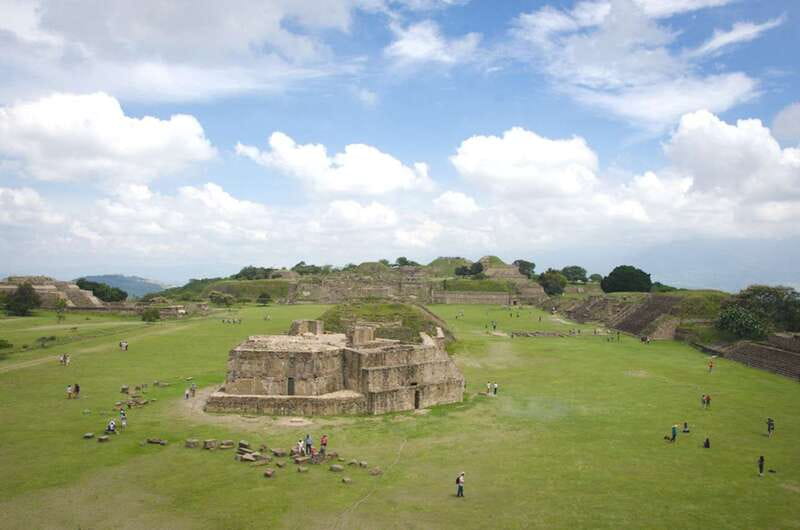
- Monte Albán sits at the heart of the day: You explore the Zapotec capital’s Great Plaza, major structures, and Site Museum, with wide views from the archaeological terraces.
- Alebrijes begin with copal wood: In San Antonio Arrazola, artisans show how carved wood figures are shaped and painted by hand.
- Black pottery is more than a souvenir: San Bartolo Coyotepec lets you see how the area’s distinctive dark clay figures are made.
- Cuilapam adds a colonial-era stop: The former Dominican convent offers a link to Oaxaca’s Mixtec and Spanish history, though it may be closed.
- The price is strong for a full day: At $42, you get pickup, drop-off, guiding, and three cultural stops, but Monte Albán’s $6 entrance fee and food cost extra.
- Expect a full walking day: Comfortable shoes, sun protection, water, and some cash will make the outing easier.
Monte Albán: Oaxaca’s essential archaeological stop
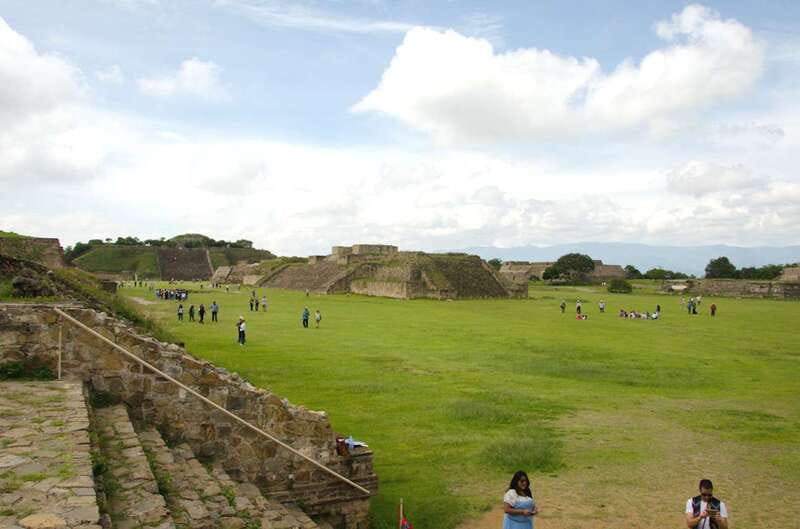
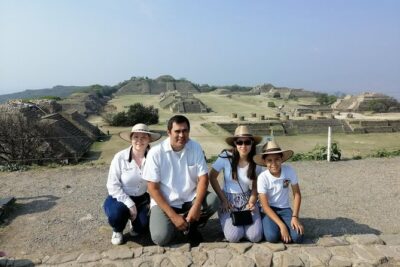
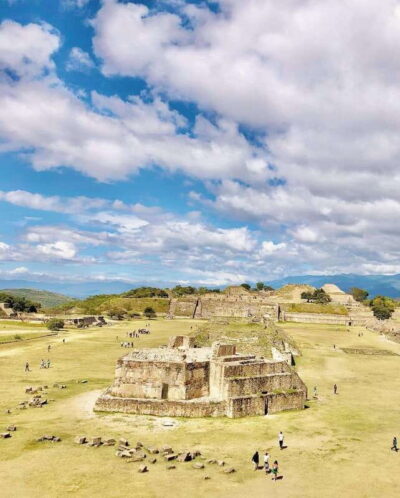
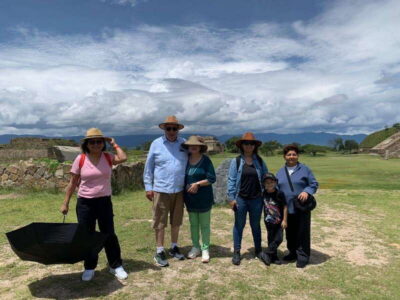
Monte Albán is the reason to book this trip. The site was the religious, political, and economic center of the Zapotec civilization, and its location gives you both ancient architecture and broad views over the surrounding hills.
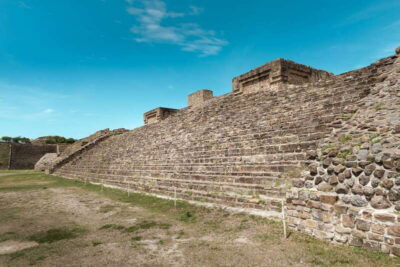
You begin by walking across the main square and among the archaeological structures. The scale matters here. This is not a single pyramid with a short photo stop. The open ceremonial center, raised platforms, and broad stone terraces show how large and organized the Zapotec capital once was.
Bring your camera, but do not spend the whole visit looking through it. The best part is the sense of space from the tops of the structures. From above, you can see how the ceremonial area was planned and why this high setting was so important.
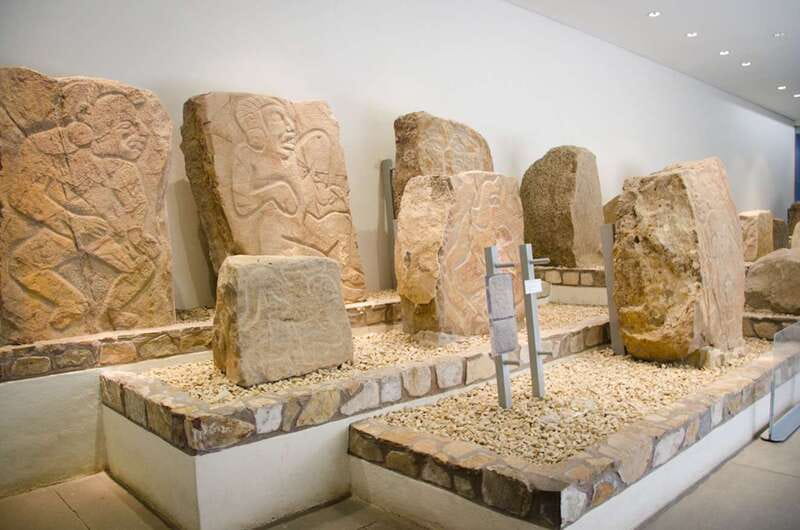
The Site Museum adds useful context. It helps put the buildings and artifacts into a cultural setting, rather than leaving you with a pile of impressive stones and no explanation. A strong guide can turn the site into a story about power, worship, trade, and daily life.
This is where guide quality matters most. Ivan has been singled out for explaining Monte Albán in detail, while Eloy has been praised for his passion and kindness. Antonio, described as a Mixteca guide, also received high marks for helping connect the archaeological site with wider Oaxacan culture.
One weakness is that the amount of guiding at Monte Albán may vary. You might receive a detailed introduction and then have free time to walk on your own. That freedom is useful for taking pictures and exploring at your own pace, but if you want a structure-by-structure explanation, ask your guide to clarify how much of the visit will be guided.
The entrance fee is not included. Budget another $6 per person, in cash if possible. At the tour price, this is still a good deal, but the extra fee should not surprise you.
More Monte Alban visits:
- Monte Alban Guided Half Day Tour
★ 5.0 · 880 reviews - Oaxaca de Juarez: Monte Alban Half-Day Tour
★ 4.7 · 492 reviews - Half day tour to Monte Albán
★ 4.5 · 420 reviews
San Antonio Arrazola and the making of alebrijes
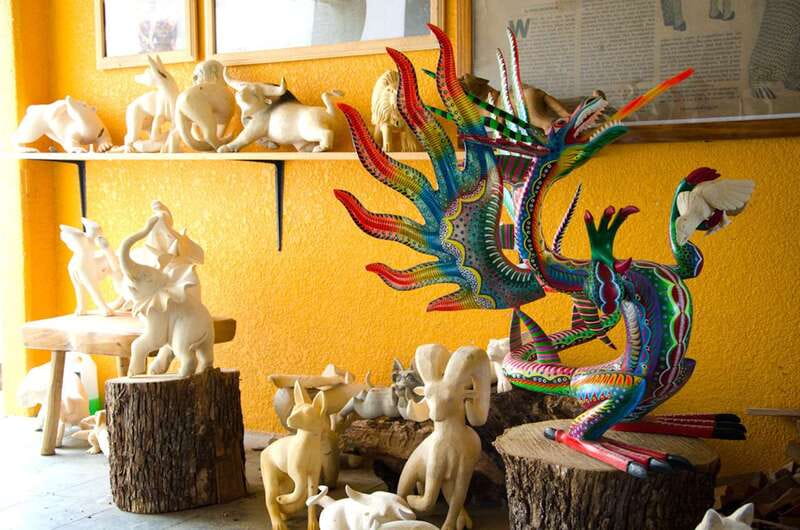
After Monte Albán, the focus shifts from ancient stone to living craft. San Antonio Arrazola is known for its colorful alebrijes, the imaginative animal figures carved from copal wood.
The useful part of this stop is seeing the process. Artisans demonstrate how a rough branch becomes a figure through carving, smoothing, and painting. The work takes patience and a good eye for shape. Even a small piece can represent many hours of hand labor.
You will likely see a large selection of finished figures. This is where the experience can feel less like a museum visit and more like a workshop showroom. That is not necessarily a problem if you want to buy an authentic craft piece, but it can disappoint you if you expect a long lesson in Zapotec symbolism or a quiet demonstration without sales pressure.
I would treat this stop as a chance to meet the craft tradition on its own terms. Look closely at the carving before focusing on the paint. Ask how the wood is prepared, how long the piece takes, and which parts are carved by hand. If buying, cash is useful, and you should leave space in your luggage.
The alebrije visit works best when your guide explains the connection between local identity, family workshops, and the figures themselves. The tour description presents them as an expression of Oaxacan creativity and Zapotec tradition. You should still listen carefully, since the depth of explanation may depend on the guide and the workshop schedule.
Cuilapam de Guerrero and its Dominican convent
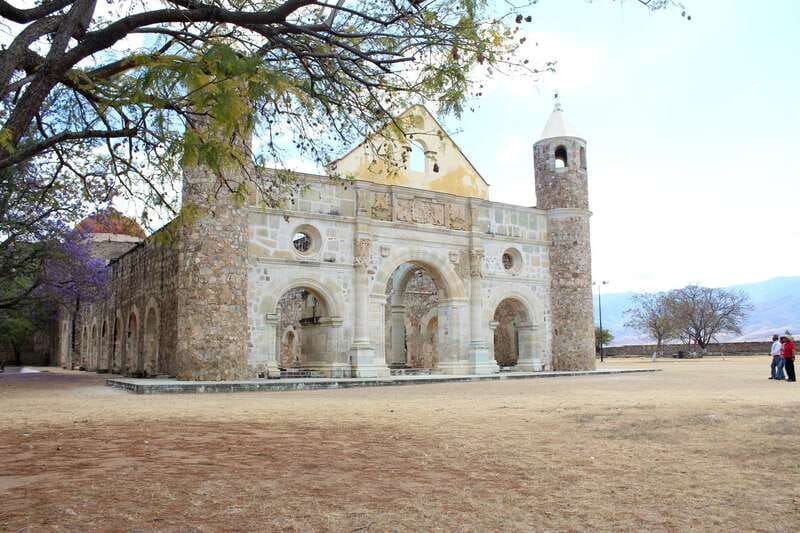
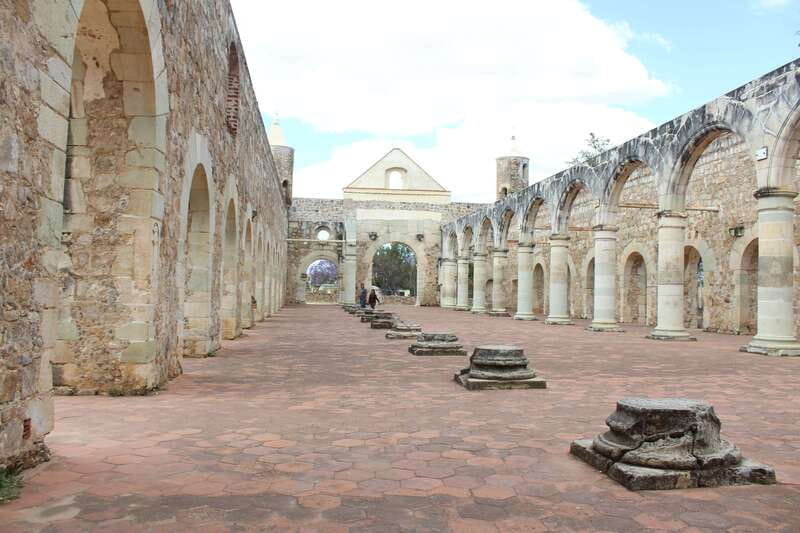
Cuilapam de Guerrero provides a different view of the region. This Mixtec town is known for its 16th-century Dominican ex-monastery, a striking reminder of the colonial period.
The former convent is listed as an optional stop, and it may be closed because of safety restrictions. That makes this part less certain than Monte Albán, so do not book the tour solely for an interior visit.
If access is available, the convent gives the day some historical range. You move from a pre-Hispanic Zapotec center to a Mixtec town shaped by Spanish religious building. Even a short visit can help you see that Oaxaca’s culture was formed by several Indigenous communities and later colonial forces, not by one single tradition.
Because the day already contains several stops, Cuilapam may be brief. Think of it as an added layer, not the main event. If the convent is closed, the rest of the program remains focused on Monte Albán and Oaxacan crafts.
San Bartolo Coyotepec and the world of black clay
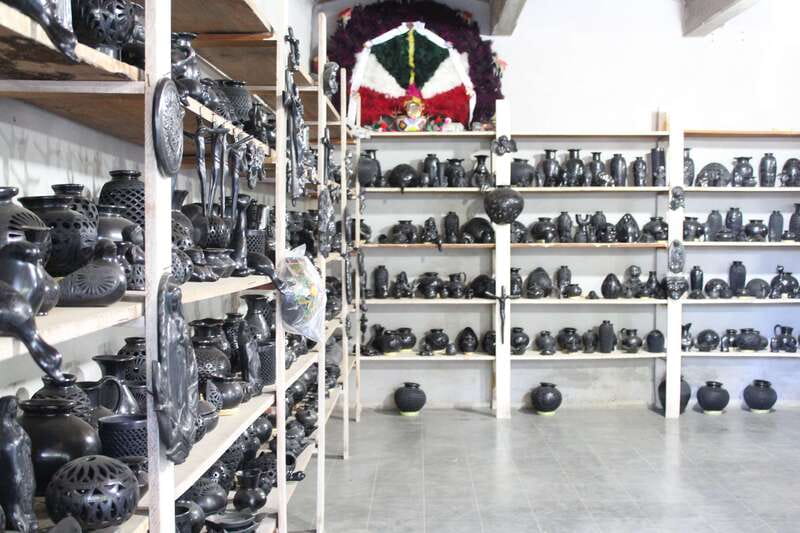
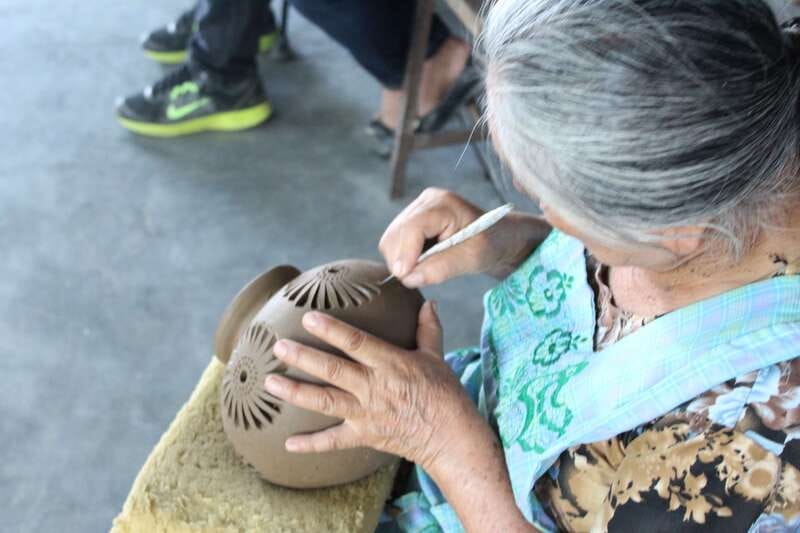
The final major craft stop is San Bartolo Coyotepec, a small town known for its black pottery. Here you can watch artisans make dark clay figures and learn about the local production process.
The color and finish are what make this pottery so memorable. Pieces may look almost metallic, but they come from clay shaped by hand and worked through a careful process. The stop is valuable because you see how an everyday material becomes a distinctive regional art form.
Some visitors find this visit more satisfying than the alebrije stop because it can include a clearer demonstration of technique. The pottery connected with the workshop of Doña Rosa has received especially strong praise. If that name appears in your schedule, pay close attention to the explanation and the objects on display.
As with Arrazola, there is a sales element. You may have time to browse and purchase pottery, but you should not confuse a workshop showroom with a formal art class. I recommend looking for small, well-made pieces that you can protect during the rest of your trip rather than buying the largest object simply because it catches your eye.
The black pottery visit also gives you a chance to compare two very different Oaxacan traditions. Alebrijes are bright, playful, and carved from wood. Black clay is restrained in color and shaped from earth. Seeing both in one day makes the craft portion more meaningful.
A few more reviews worth comparing before you book
- Hierve el Agua, Tule Tree, Mitla and Mezcal Distillery Tour
★ 4.5 · 1,094 reviews - Explore Hierve el Agua, Mitla, Tule, Textile and Mezcal for a day
★ 5.0 · 1,043 reviews - AUTHENTIC OAXACA CULTURAL FOOD TOUR, eat like a local.
★ 5.0 · 462 reviews - Oaxaca: Tule, Mitla & Hierve el Agua, & Mezcal Tour
★ 4.7 · 456 reviews
Lunch and the risk of a rushed schedule

Food is not included in the $42 price, yet lunch can become one of the day’s pleasures. The schedule may include an Oaxacan buffet, and Casa Frida de mi Corazón has been praised for an especially good meal.
This matters because Oaxaca is famous for its food, and a proper regional lunch is more than a break between stops. It can introduce you to local flavors in a practical way, especially if you have limited time in the city.
The tradeoff is time. One person felt that lunch took longer than necessary and that Monte Albán deserved another hour. That is a fair concern. If you care most about archaeology, you may prefer a shorter meal and more time at the ruins. If food is part of your reason for visiting Oaxaca, the longer stop may feel worthwhile.
Food and drinks cost extra, so bring cash and ask your guide how long lunch will last. This small question can help you decide whether to order a full buffet meal or keep the break short.
Some versions of the outing have also included extra stops, such as a mezcal distillery, a chocolate shop, or a chocolate factory in central Oaxaca. These additions are not guaranteed in the stated program, so regard them as possible changes rather than promised features. They can be enjoyable, but they may also reduce time at the core sites.
Guides, language, and transport
Hotel pickup and drop-off are included during the low season. In high season, you may instead be given a meeting point in central Oaxaca. The exact pickup time is flexible, and the driver should wait in the hotel lobby wearing a blue shirt with the Paraiso Huatulco logo and call your name.
Be ready 15 minutes early. Drivers wait no more than five minutes after the scheduled time, and one delayed pickup reportedly arrived much later than expected after questions about the exact time went unanswered. I would confirm the pickup hour before the morning of the trip and wait in the lobby, not inside your room.
The language options are Spanish and English. If you specifically need English, confirm that the tour will be conducted in English. A mixed-language group can work well with a bilingual guide, but it is not fair to assume you will receive full translation if the language plan changes.
The driver and guide are separate roles, and both affect the day. Benjamin and Oscar have received praise for driving and supporting the experience, while guides including Eloy, Ivan, and Antonio have been appreciated for their cultural explanations. The strongest days appear to combine safe transport with a guide who treats the sites as more than photo opportunities.
Drop-off may not always be at the exact place where you started. One passenger was left in central Oaxaca rather than at the original pickup point. If you have dinner reservations, a bus connection, or luggage waiting at your hotel, ask where the tour ends before you book.
Who will get the most from this $42 outing?
I would recommend this tour to you if you have only one day to cover Oaxaca’s major cultural sights. It is especially useful for first-time visitors who want Monte Albán plus two well-known craft towns without arranging several separate taxis or guides.
It also suits curious families and mixed-interest groups. One person can focus on archaeology, another on food, and another on shopping for handmade goods. The day gives you a broad sample of the region.
You should think twice if you want a quiet, slow archaeological visit. Seven hours is a lot of ground to cover, and the program may feel full. Serious craft buyers may also prefer to spend a whole afternoon in one village, where they can compare workshops without watching the clock.
The tour is not suitable for wheelchair users, and it includes a considerable amount of walking. Wear supportive shoes, a hat, sunglasses, comfortable clothes, and biodegradable sunscreen. Carry water, cash, and no oversized luggage or pets.
Free cancellation is available up to 24 hours before departure, and you can reserve now and pay later. Those terms help if your Oaxaca plans are still moving around, but they do not replace checking the pickup details and the current status of Cuilapam’s convent.
My booking advice
Book this experience if you want the efficient version of Oaxaca: one major archaeological site, two famous craft traditions, a possible colonial stop, and regional food in one day. The $42 price is good once you add the convenience of transport and guiding, even with the separate $6 Monte Albán fee and extra meal costs.
I would ask three questions before paying: Will the tour be in English, where exactly will pickup and drop-off occur, and how much time is planned at Monte Albán? If the answers are clear, this is a sensible introduction to Oaxaca.
Choose it for range, local craft, and a strong first look at Zapotec culture. Skip it in favor of a slower private visit if you want long hours at the ruins or detailed instruction from artisans.
FAQ
How long does the Monte Albán and art tour last?
The experience lasts about seven hours, including Monte Albán, San Antonio Arrazola, Cuilapam de Guerrero, and San Bartolo Coyotepec.
Is hotel pickup included?
Yes, hotel pickup and drop-off are included during the low season. During high season, you may be given a meeting point in downtown Oaxaca City.
How much does Monte Albán entrance cost?
The Monte Albán entrance fee is not included and is listed as $6 per person.
Is food included in the tour price?
No. Food and drinks are not included, so bring cash if you plan to buy lunch or refreshments.
What languages are available?
The tour offers live guiding in Spanish and English. Confirm the language arrangement if English service is essential for you.
Is Cuilapam’s former convent guaranteed to be open?
No. The convent is an optional visit and may be closed because of safety restrictions.
What should I bring?
Bring comfortable shoes, sunglasses, a sun hat, water, biodegradable sunscreen, comfortable clothing, and cash. Pets and oversized luggage are not allowed.
Just added around Oaxaca
- Bike tour to the Tule Tree and the Gastronomic Market★ 5.0 · 34 reviews
- Market tour and all gastronomy included⭐️⭐️⭐️⭐️⭐️★ 4.6 · 35 reviews
- Hierve el Agua Half-Day Guided Hike Adventure ALL FEES INCLUDED★ 5.0 · 35 reviews
- Street Food and 3 Markets Tour, Meat or Veggie Options★ 5.0 · 35 reviews
- The Late Shift: Tasting Oaxaca, by Night★ 5.0 · 35 reviews
- Oaxaca: Hierve el Agua & Mezcal Distillery Small-Group Tour★ 4.7 · 40 reviews
- Ultimate Hierve el Agua Hike + Textile Art★ 5.0 · 42 reviews
- Culture, History and Food in Oaxaca City★ 5.0 · 43 reviews
Monte Alban Tours, compared.

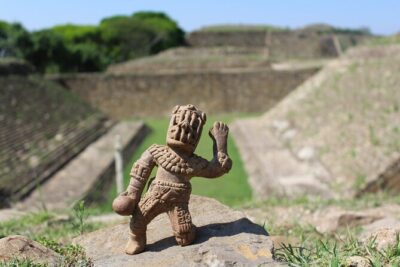
Monte Albán, Arrazola, Cuilapam y San Bartolo Coyotepec.
Read our review →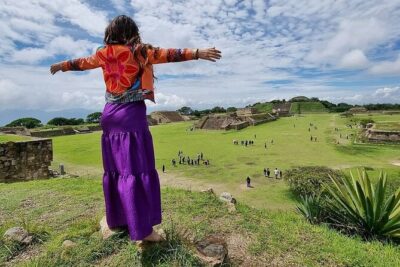
Tour Monte Albán, Hierve el agua, Teotitlán Del Valle and Mezcal
Read our review →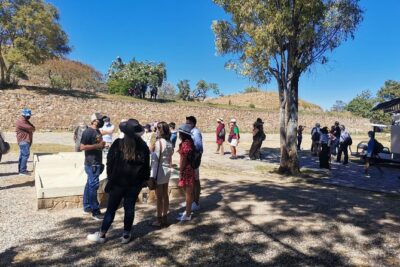
Monte Alban – Full Day Guided Tour with or without Food – Oaxaca
Read our review →Browse the lists this tour appears in