
Reviewed · FRIDA KAHLO MUSEUM TOURS
La Catrina & Muralism: Diego Rivera’s Legacy & Frida Kahlo
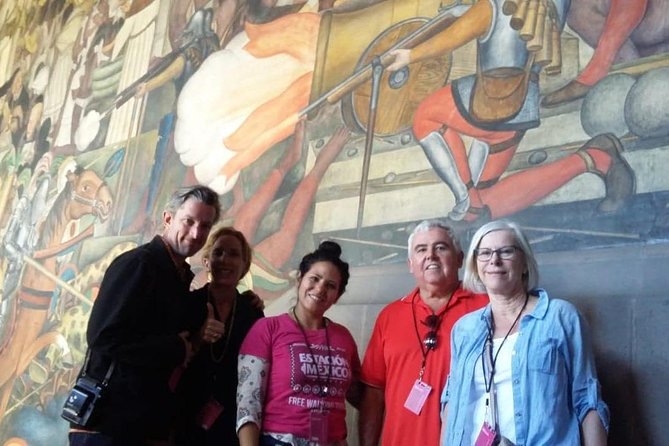
Murals turn downtown into a history book. This 2.5-hour Mexico City walk connects Diego Rivera, Frida Kahlo, La Catrina, and the political art that helped define modern Mexico. I like the small group limit of 12 and the way the tour combines major museums with murals you could easily miss on your own. I also like that admission and public transportation are included, so the $66.14 price covers more than a guide pointing at walls.
The main caution is timing. The advertised length is about two and a half hours, but some outings have run three and a half to more than four hours. There is no planned food or drink stop, so bring water and a snack, and allow extra time before your next appointment.
In This Review
- Key points to know before you book
- Why Mexican muralism makes a good walking tour
- San Ildefonso: where Rivera and Kahlo enter the story
- Museo Vivo del Muralismo and its three levels
- Market murals and public art away from the main route
- Museo Mural Diego Rivera and La Catrina
- Palacio de Bellas Artes and Rivera’s controversial mural
- How the guides shape the experience
- Price, pace, and what to bring
- Who should book this mural walk?
- Should you book it?
- FAQ
- Where does the tour start?
- What time does the tour begin?
- Where does the tour end?
- Are museum tickets included?
- Is transportation included?
- Can I cancel for a full refund?
Key points to know before you book
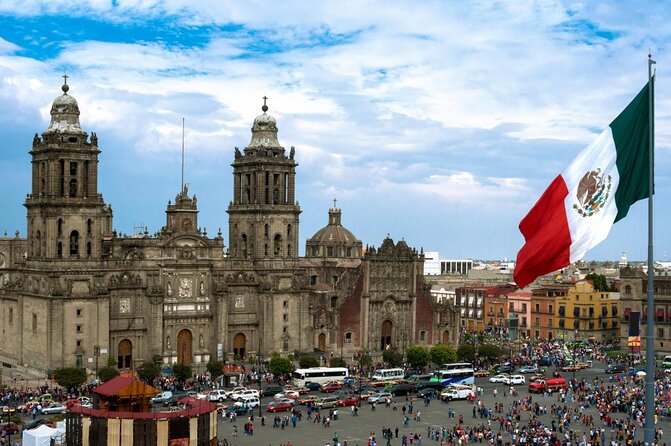
- Start at San Ildefonso at 11 a.m.: The former college is tied to the early story of Diego Rivera and Frida Kahlo.
- See La Catrina in context: The Museo Mural Diego Rivera presents one of Mexico’s most famous mural works, filled with Día de Muertos imagery.
- Look beyond the famous names: Guides such as Addy, Sofía, Ulysses, Waryor, Diana, David, and Guerrero have been praised for finding murals in markets and public buildings.
- Public transportation is part of the plan: You will move through central Mexico City rather than remain inside one museum.
- Expect a standing and walking tour: One participant described it as almost entirely on foot, with no formal bathroom or refreshment break.
- Finish at Bellas Artes: The final stop places you near one of the city’s most important cultural buildings, with tips on nearby food and sights.
Why Mexican muralism makes a good walking tour
Mexican muralism is not simply a collection of enormous paintings. It is a public way of telling the country’s story, often through workers, Indigenous communities, revolutionaries, politicians, religious symbols, and scenes from daily life.
That matters because many of these works were placed in schools, government buildings, markets, and cultural institutions. You are not only looking at art in a quiet gallery. You are seeing images made for public spaces, where history and politics could meet ordinary people.
The walk focuses on the period shaped by the Mexican Revolution and the social struggles that followed. Guides explain how artists presented their own versions of Mexico, sometimes with conflicting political messages. That context helps you read the murals rather than simply admire their size and bright colors.
I especially like this approach for first-time visitors to Mexico City. You can visit major museums independently, but without an art or history background, the figures and symbols may blur together. A strong guide gives you a way to understand who is pictured, what the artists were arguing, and why the work was placed there.
The one-language format also helps. The tour is offered in English, and the storytelling is kept within one language rather than divided among several groups. That should make it easier to ask questions and follow a long explanation.
More Frida Kahlo visits:
- Xochimilco, Coyoacan and Frida Kahlo with Optional Lunch
★ 4.5 · 7,320 reviews - CDMX: Xochimilco, Coyoacan, Frida Kahlo Museum & Murals Tour
★ 4.4 · 3,025 reviews - Frida Kahlo VIP [Museum Tickets Included] Bike, Markets & Churros
★ 5.0 · 1,072 reviews
San Ildefonso: where Rivera and Kahlo enter the story
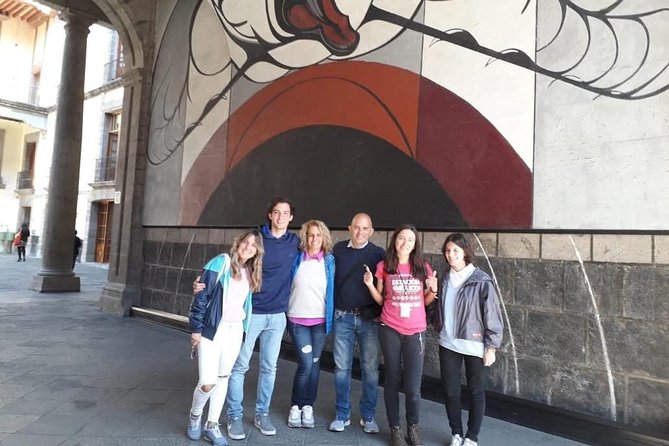
The meeting point is the Antiguo Colegio de San Ildefonso at Justo Sierra 16 in Centro Histórico. This former college provides more than a convenient starting point. It is linked with the beginning of the relationship between Diego Rivera and Frida Kahlo, two figures whose personal story often overshadows their separate artistic work.
The opening portion lasts about 35 minutes, with admission included. Your guide introduces Rivera’s life and work before connecting the site to the couple’s early relationship. That is a useful beginning because it places Rivera in a real setting instead of treating him as a distant name from an art textbook.
I would pay attention to how the guide handles Rivera and Kahlo together. The title promises both artists, but the stops and teaching focus mainly on muralism and Rivera’s legacy. Frida Kahlo is important here as part of the story of Mexican art, yet this is not a dedicated Frida Kahlo museum tour.
San Ildefonso is also a practical first stop. It is in central Mexico City and near public transportation, so reaching the meeting point should be manageable. Arrive ready to walk and stand. The tour begins at 11 a.m., which leaves the morning free for breakfast and a short visit around the Centro Histórico.
Museo Vivo del Muralismo and its three levels
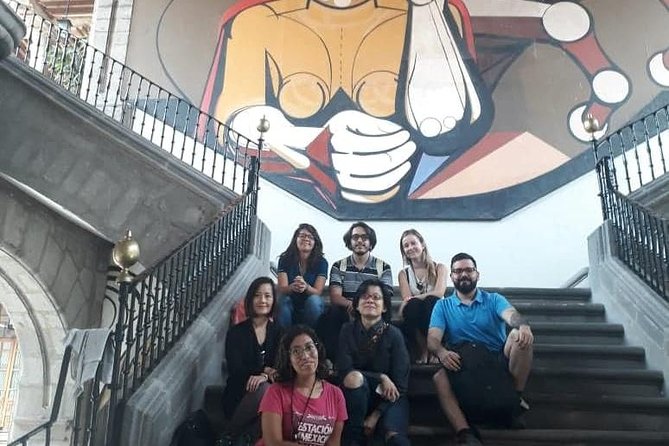
Next comes the Museo Vivo del Muralismo, a site arranged around two courtyards and three levels. The planned visit lasts about 35 minutes, with the ticket included.
The building layout matters. Courtyards and several floors give the tour a sense of movement, and your guide can connect works across different parts of the building rather than presenting one isolated painting. You may find that the setting itself becomes part of the lesson, especially when the guide explains how mural art functioned in public institutions.
This is one place where a guide adds real value. A mural can be easy to overlook when you are moving through a large building. Guides including Sofía and Ulysses have been praised for pointing out sections and rooms that people had not noticed on earlier independent visits.
The tour also brings in artists beyond Rivera. Diana, for example, has been praised for discussing Rivera, José Clemente Orozco, and David Alfaro Siqueiros together. That comparison is important. Mexican muralism was not one artist’s project, and each painter brought a different view of power, labor, revolution, and national identity.
Do not expect a long rest here. The stop is scheduled for roughly half an hour, and the wider experience can involve extended standing. If your legs need a break, take advantage of any natural pause inside the museum, but do not count on a formal rest period.
Market murals and public art away from the main route
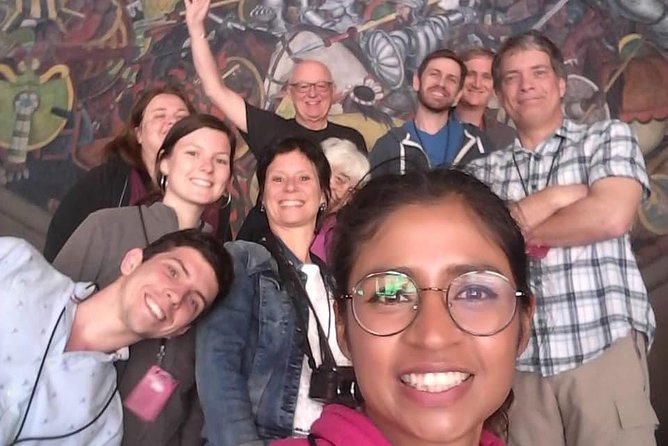
One of the most appealing parts of this experience is its attention to murals in less obvious places. Guides have taken groups through markets and public buildings where paintings are easy to miss if you are following a standard sightseeing route.
Sofía has been praised for showing market murals that many people would never find alone. David has also been singled out for taking participants to a market work and explaining the history and culture around it. These stops give the tour an insider feel without requiring you to search through scattered addresses.
Ulysses and Waryor have received similar praise for locating public art that is not always obvious from the street. Waryor, also called Warrior or Guerrero by some participants, is described as especially passionate and easy to talk with. His strength appears to be combining the artwork with stories about Mexico City itself.
That is a major reason to choose a guided walk instead of simply visiting the best-known museums. You may be able to find the large Rivera works yourself, but you are less likely to recognize a mural tucked into a market or a side area of a public building. The guide supplies the connection between place, artist, and political message.
The tradeoff is that the exact order or selection of museums may change based on availability. The experience includes four named stops, but the provider notes that museums can change. If one particular building is your main reason for booking, ask about current access before you pay.
A few more reviews worth comparing before you book
- Teotihuacan, Guadalupe Shrine & Tlatelolco Day Tour with Lunch
★ 5.0 · 11,603 reviews - Balloon flight + Breakfast in cave + Pyramids + Pick up CDMX.
★ 5.0 · 6,335 reviews - Teotihuacan pyramids morning or afternoon without tourist traps
★ 5.0 · 6,186 reviews - Teotihuacan Early Access Guided Tour with optional Lunch
★ 4.5 · 6,138 reviews
Museo Mural Diego Rivera and La Catrina
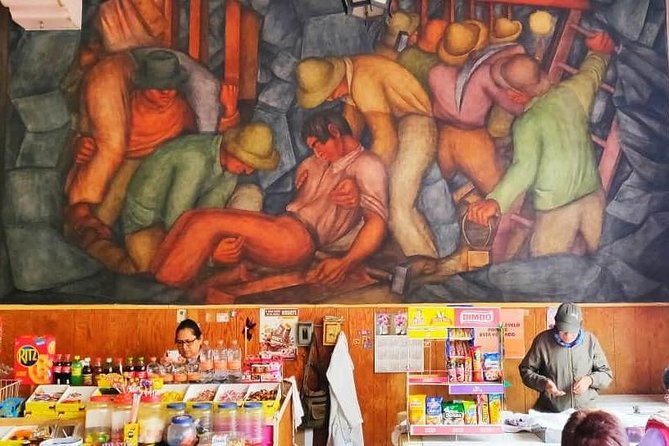
The Museo Mural Diego Rivera is the tour’s most direct meeting with Rivera’s work. The planned stop lasts about 30 minutes, and the admission ticket is included.
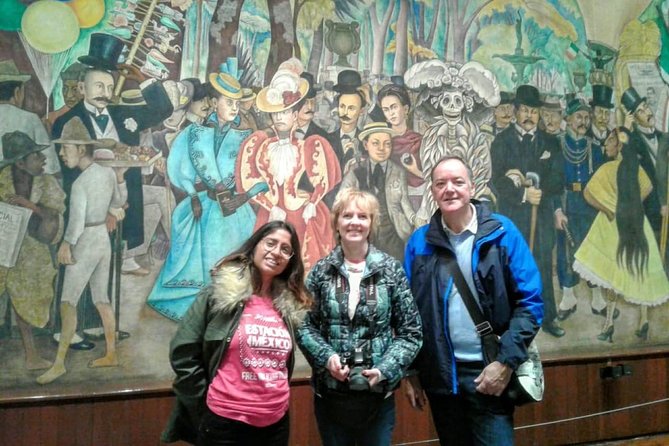
Here you see one of the best-known works associated with Mexican muralism, a large composition that brings together Día de Muertos imagery and the figure of La Catrina. La Catrina is more than a decorative skeleton. Within Mexican visual culture, the figure carries ideas about death, class, social behavior, and the way people present themselves.
A guide can help you follow the crowded scene and identify its central figures. Without that help, a mural this large can feel like a mass of faces and costumes. With background, you can begin to see how Rivera used historical personalities and popular symbols to make arguments about Mexico.
This stop should appeal to you if you like art that has a clear social edge. The murals discussed on this walk are not neutral decoration. Several participants have valued the political messages and the way the paintings reveal struggles faced by Mexican people, both during the revolutionary period and afterward.
The visit is not especially long, so you may want to review the central image again after the explanation. Ask questions as you go. Guides such as Erin and Ulysses have been praised for allowing time for questions and for explaining details that would otherwise pass unnoticed.
Palacio de Bellas Artes and Rivera’s controversial mural
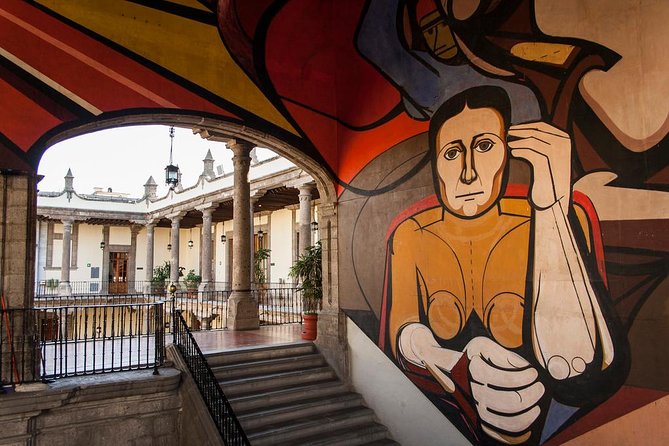
The final stop is the Palacio de Bellas Artes on Avenida Juárez. The tour spends about 30 minutes here and ends near the building.
Bellas Artes is Mexico City’s leading cultural venue, and it contains important murals by major Mexican artists. The tour highlights Rivera’s controversial mural created in the United States and later preserved in Mexico. That story adds a useful layer to the visit because it shows that Rivera’s work could provoke strong political reactions beyond Mexico.
Ending here works well. After several smaller or less obvious locations, you arrive at a grand cultural landmark with a concentrated collection of major art. The guide can tie together the themes from the earlier stops, including revolution, class, public education, national identity, and the political force of painting.
The tour ends near the Palace of Fine Arts rather than returning to San Ildefonso. That saves you a return trip and leaves you in a central part of Mexico City. Your guide offers suggestions for things to do and places to eat nearby, which is useful because the tour begins at 11 a.m. and may run into lunchtime.
If you want to continue sightseeing, Bellas Artes puts you close to other major Centro Histórico attractions. The exact next stop depends on your energy and schedule, but the location makes it easy to continue on foot or use public transportation.
How the guides shape the experience
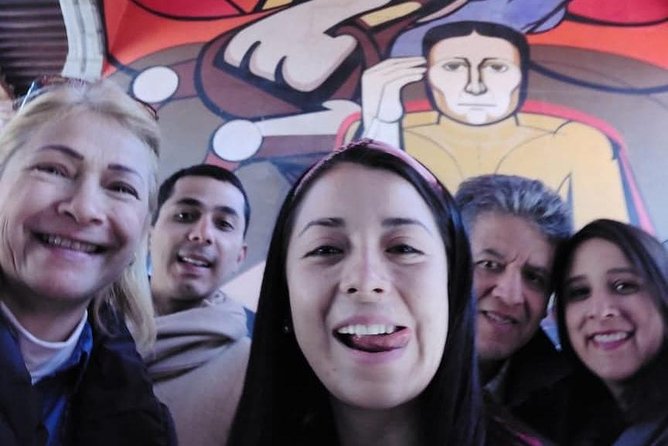
The strongest praise for this experience centers on the guides’ passion and ability to explain difficult subjects in plain language. Addy has been described as warm, friendly, and fun while still covering a large amount of material. Sofía is repeatedly praised for her enthusiasm and clear explanations.
Ulysses receives credit for showing areas inside familiar buildings that people had not seen before. Waryor, Warrior, and Guerrero are praised for their energy, city knowledge, and willingness to spend extra time with participants. One guide even helped complete a final mural visit later in the day after the schedule ran short.
Those details suggest an experience that depends heavily on the person leading your group. The provider offers a host connected to art and history, but the named guides bring different styles. Some focus on careful explanation, while others bring more storytelling and personal energy.
The small maximum of 12 people helps. You should have a better chance to hear the guide and ask questions than on a large bus tour. In an unusually small departure, one participant was able to ask as many questions as desired and take extra time at each location.
Price, pace, and what to bring
At $66.14 per person, this is not the cheapest way to see downtown murals. It becomes a better value when you count the museum admissions, public transportation, small group size, and access to works in markets and public buildings.
I would book it for the interpretation, not merely for entry tickets. If you only want to photograph famous murals, you can plan several museums independently. If you want to understand the symbols, political arguments, and links among Rivera, Orozco, Siqueiros, Kahlo, and the broader movement, the fee is easier to justify.
The published duration is about two hours and 30 minutes, but you should plan for flexibility. Some departures have lasted well beyond the stated time, especially when the guide spent longer answering questions or showing additional works. That can be a benefit if you are eager to learn, but it may frustrate you if you have a fixed lunch booking or another tour.
Bring water and a snack. Food and drinks are not included, and no official refreshment break is scheduled. Wear comfortable shoes and expect a good amount of standing, even though the total walking distance is described as manageable.
Most people can participate, and the route is near public transportation. Still, anyone who finds long periods on their feet difficult should ask for current details before booking. Museum access and the exact stops can change.
Free cancellation is available if you cancel at least 24 hours before the local start time. Inside that window, the payment is not refunded and changes are not accepted.
Who should book this mural walk?
I recommend it most for first-time Mexico City visitors who want a stronger grasp of Mexican art and history than a standard city tour provides. It also suits solo visitors, couples, families with older children, and anyone who enjoys political art.
A 14-year-old joined one outing with a parent and had a good experience, especially because the small group allowed plenty of questions. Art students, mural painters, and people interested in public art should find the subject especially rewarding.
You may want to skip it if you need a tightly controlled two-and-a-half-hour schedule, dislike standing, or mainly want a Frida Kahlo-focused experience. Frida is part of the opening story, but the main subject is Mexican muralism, with Rivera at its center.
Should you book it?
Book this tour if you want to see Mexico City through its public art, not just its famous buildings. The best reason to go is the guide’s ability to connect major museum pieces with murals in markets and less obvious corners of Centro Histórico.
Bring water, wear good shoes, and keep the rest of your day open. If you can give the tour extra time, ask questions, and stay curious about the political messages in the paintings, the $66.14 cost offers solid value.
FAQ
Where does the tour start?
It starts at the Antiguo Colegio de San Ildefonso, Justo Sierra 16, Centro Histórico de la Ciudad de México.
What time does the tour begin?
The scheduled start time is 11 a.m.
Where does the tour end?
It ends near the Palacio de Bellas Artes at Avenida Juárez, in Mexico City’s Centro Histórico.
Are museum tickets included?
Yes. Admission tickets for the museums are included in the tour price.
Is transportation included?
Public transportation is included. The tour moves between central Mexico City locations.
Can I cancel for a full refund?
Yes, if you cancel at least 24 hours before the experience start time. Cancellations made less than 24 hours before the start receive no refund.
Just added around Mexico City
- Teotihuacan & Anthropology Museum, Templo Mayor & City Tour★ 4.5 · 109 reviews
- Mexico Private Food Tour With Locals Including 10 Tastings★ 4.5 · 109 reviews
- THE REAL CDMX: Under the skin of the city★ 5.0 · 111 reviews
- Mexico City: Mexican Folklore Ballet★ 4.5 · 111 reviews
- Teotihuacán plus Bike Tour★ 5.0 · 114 reviews
- Bike to taste the world’s best tacos – Mexico City★ 5.0 · 116 reviews
- EXCLUSIVE TOUR Chapultepec Castle – Small Groups★ 5.0 · 117 reviews
- Balloon flight with private transportation and guided tour to Teotihuacán★ 5.0 · 118 reviews
Frida Kahlo Museum Tours, compared.

Xochimilco, Coyoacan and Frida Kahlo with Optional Lunch
Read our review →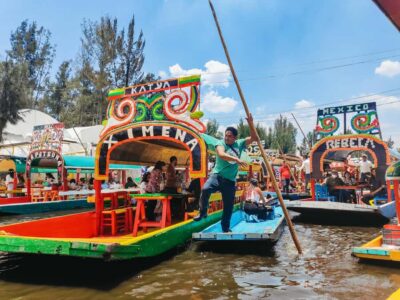
Xochimilco, Coyoacan, Frida Kahlo Museum & Murals Tour
Read our review →![Frida Kahlo VIP [Museum Tickets Included] Bike, Markets & Churros](https://assets.mexicanguides.com/wp-content/uploads/frida-kahlo-vip-museum-tickets-included-bike-markets-churros-400x267.jpg)
Frida Kahlo VIP [Museum Tickets Included] Bike, Markets & Churros
Read our review →![Frida Kahlo VIP [Museum Tickets Included] Walk, Markets & Churros](https://assets.mexicanguides.com/wp-content/uploads/frida-kahlo-vip-museum-tickets-included-walk-markets-churros-400x267.jpg)
Frida Kahlo VIP [Museum Tickets Included] Walk, Markets & Churros
Read our review →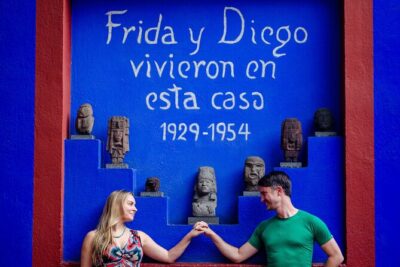
EXCLUSIVE TOUR Frida Kahlo Museum – SMALL GROUPS
Read our review →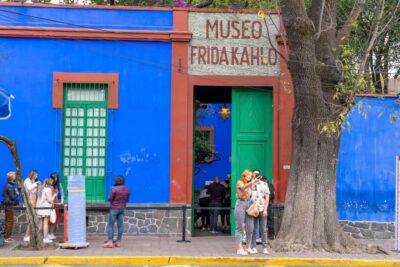
Frida Kahlo Museum Entry Ticket w/Digital Guide
Read our review →
Private City Tour in Frida Kahlo, Coyoacan, and Xochimilco
Read our review →
PREMIUM Frida Kahlo Museum and Xochimilco (Small Groups)
Read our review →Browse the lists this tour appears in