
Reviewed · BASILICA OF GUADALUPE TOURS
Guadalupe Shrine Tour
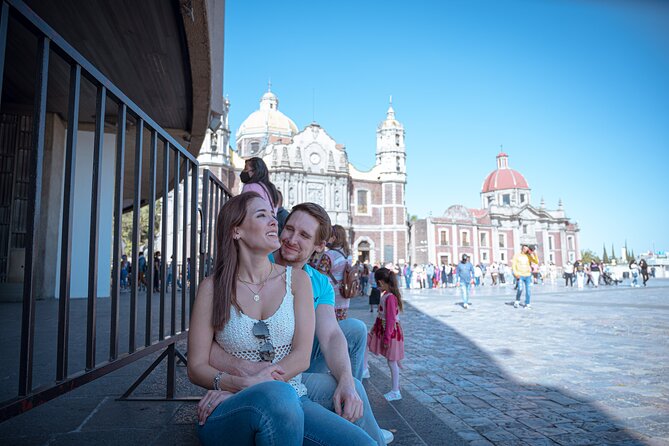
The Virgin of Guadalupe’s story begins on a hill. This four-hour tour takes you from central Mexico City to the Basilica of Our Lady of Guadalupe, where you can see the old and new basilicas, the famous tilma, Tepeyac Hill, and a museum of 17th-century religious art. I especially like the expert-guided context and the round-trip transportation, which make a sprawling pilgrimage site far easier to understand. The main drawback is the 3 p.m. start: several buildings close around 5 p.m., so a late departure can make the visit feel rushed.
I also like that the tour leaves time for prayer, Mass, photographs, or a quiet walk around the grounds. Guides such as Ligia, Miriam, Jocelyn, Gabriel, Antonio, and Herson have been praised for clear explanations and a friendly manner. Still, service can vary, and there have been complaints about late vehicles, confusing communication, and occasional cancellations.
In This Review
- Key points to know before you go
- Why the Guadalupe Shrine matters
- Getting from central Mexico City to Tepeyac
- The Old Basilica and its colonial details
- Seeing the tilma inside the basilica
- The New Basilica and its remarkable scale
- Climbing Tepeyac Hill
- The museum’s 17th-century religious art
- Free time for Mass, prayer, or wandering
- What the $51 price really buys you
- Timing, fitness, and practical planning
- Who should book this Guadalupe tour?
- Should you book it?
- FAQ
- How much does the Guadalupe Shrine Tour cost?
- How long does the tour last?
- Where does the tour begin?
- What time does the tour start?
- Is hotel pickup available?
- What does the tour include?
- Is the tour offered in English?
- Does the tour visit both basilicas?
- Can I cancel for a full refund?
Key points to know before you go
- The tilma is the emotional center: You see the image associated with Juan Diego and the Virgin of Guadalupe inside the basilica complex.
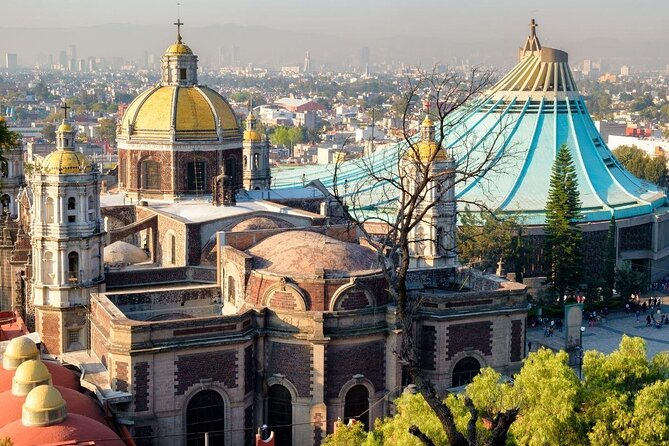
- This is a large religious campus: The visit includes two basilicas, chapels, Tepeyac Hill, gardens, plazas, and a museum, not just one church.
- The 3 p.m. departure matters: A late start may leave little time for smaller churches and museum rooms before closing.
- Transport saves effort: Round-trip travel from central Mexico City removes the need to plan a longer independent outing.
- The hill requires moderate effort: The stairway to the upper chapel is maintained but still calls for a reasonable level of fitness.
- Private pickup costs extra: Hotel pickup is available only with the private option. The standard meeting point is Hostal Amigo on Isabel La Católica.
Why the Guadalupe Shrine matters
The Shrine of Guadalupe is one of Mexico City’s most important religious and cultural sites. According to Catholic tradition, the Virgin Mary appeared to Juan Diego, an Indigenous peasant, on Tepeyac Hill in 1531. Her image was later said to have appeared on his tilma, or cloak.
You do not need to be Catholic to appreciate the place. The story has shaped Mexican identity, art, politics, family life, and national feeling for centuries. One of the tour’s strengths is that it treats the shrine as more than a church. You learn why the Virgin is both a central religious figure and a powerful cultural symbol.
The scale may surprise you. The site is a broad complex with several religious buildings, open spaces, chapels, gardens, and views from the hill. If you arrive expecting a quick look at one basilica, you may underestimate the time needed.
That is where a guide helps. The buildings do not always explain themselves, and the complex can be difficult to read without a map or clear orientation. Antonio, Gabriel, Jocelyn, Miriam, Ligia, and other guides have received praise for explaining the story of Juan Diego, the apparition points, the basilicas, and the role of the shrine in Mexican culture.
More Basilica of Guadalupe visits:
- Teotihuacan, Guadalupe Shrine & Tlatelolco Day Tour with Lunch
★ 5.0 · 11,603 reviews - Mexico City: Teotihuacan, Tlatelolco & Guadalupe Shrine Tour
★ 4.6 · 3,773 reviews - Mexico City: Teotihuacan, Tlatelolco & Basilica of Guadalupe
★ 4.7 · 975 reviews
Getting from central Mexico City to Tepeyac
The standard tour begins at 3 p.m. at Hostal Amigo, located at Isabel La Católica 61-A in the Centro Histórico. This is not a hotel pickup unless you reserve the private option, so plan your route to the meeting point carefully.
The departure location is near public transportation, but it can be hard to find. One visitor described the office as tucked inside a youth hostel and not especially easy to identify. Give yourself extra time, especially if you are unfamiliar with the historic center.
Once the group is assembled, round-trip transportation takes you north to the shrine. The drive is part of the value. You avoid arranging public transport, working out the return journey, or trying to navigate the complex after arriving tired. A comfortable vehicle is included, though one complaint described a van with faulty air conditioning, so the transport experience may not always be perfect.
The maximum group size is 20 people. That is small enough for a guide to answer questions, though the quality of the visit depends heavily on the particular guide and how well the schedule runs.
The Old Basilica and its colonial details
The first major stop is the Basílica Antigua, or Old Basilica, built in 1709. Its Spanish colonial design includes Moorish influence, giving it a different feel from the later circular church nearby.
This building is important not only because of its age, but also because it helps you see how devotion to Guadalupe developed over time. The old church carries the visual language of colonial Mexico, with devotional paintings and religious decoration that connect the shrine to earlier centuries.
The old basilica has also faced structural problems, including gradual sinking. That detail is worth noticing because Mexico City’s soft ground affects several historic buildings. Here, the issue is not just an engineering curiosity. It helps explain why a newer basilica was eventually needed.
Take your time with the architectural contrast. The old church feels traditional and enclosed. The new basilica was designed for enormous crowds and a very different style of worship. Seeing both in one visit gives you a clearer picture of how the shrine changed as its following grew.
Seeing the tilma inside the basilica
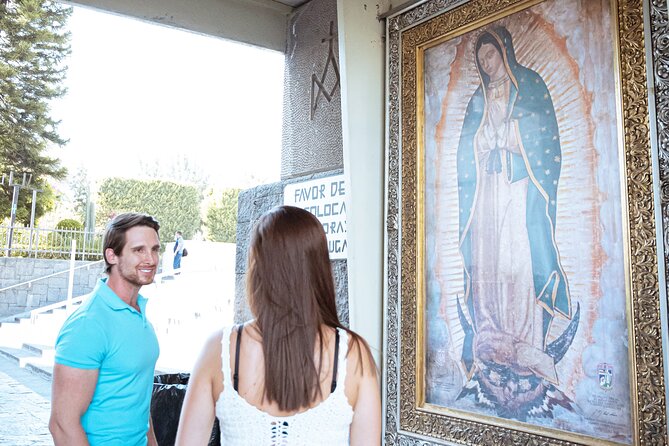
The image on Juan Diego’s cloak is the central focus of the visit. It is displayed inside the basilica, where you can view it as part of the shrine’s devotional setting.
The tour guide explains the story and the importance of the image, but this moment can also be personal and quiet. Some people come to pray. Others come to understand an important part of Mexican culture. You can do both without needing to share the same beliefs.
One practical detail matters here: photographs are allowed in most areas, but not in the original chapel. Follow posted instructions and be respectful around people who have come specifically for prayer.
The experience can feel busy, especially as pilgrims move through the main aisle. Guides have been praised for not rushing the visit, but timing is still important. If your vehicle arrives late, you may have less time to pause at the shrine before other buildings close.
A few more reviews worth comparing before you book
- Xochimilco, Coyoacan and Frida Kahlo with Optional Lunch
★ 4.5 · 7,320 reviews - Balloon flight + Breakfast in cave + Pyramids + Pick up CDMX.
★ 5.0 · 6,335 reviews - Teotihuacan pyramids morning or afternoon without tourist traps
★ 5.0 · 6,186 reviews - Teotihuacan Early Access Guided Tour with optional Lunch
★ 4.5 · 6,138 reviews
The New Basilica and its remarkable scale
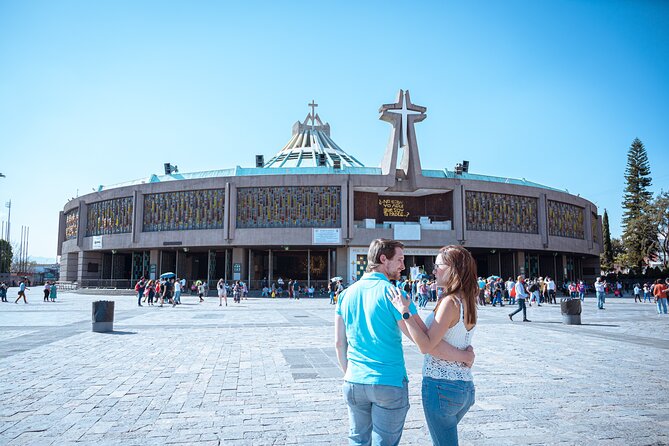
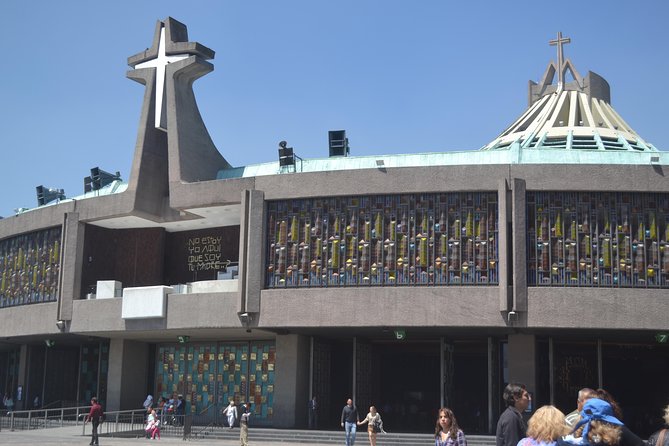
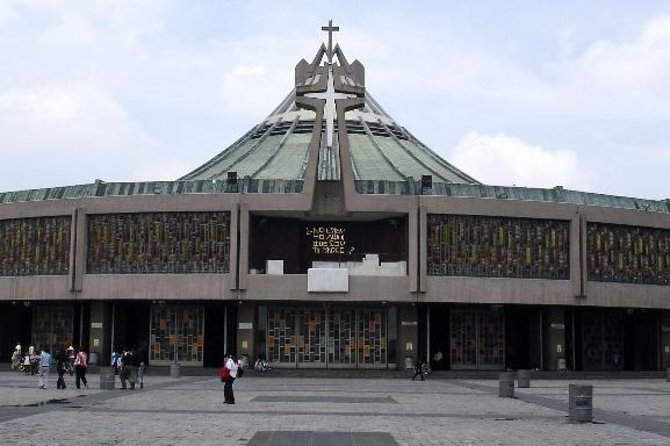
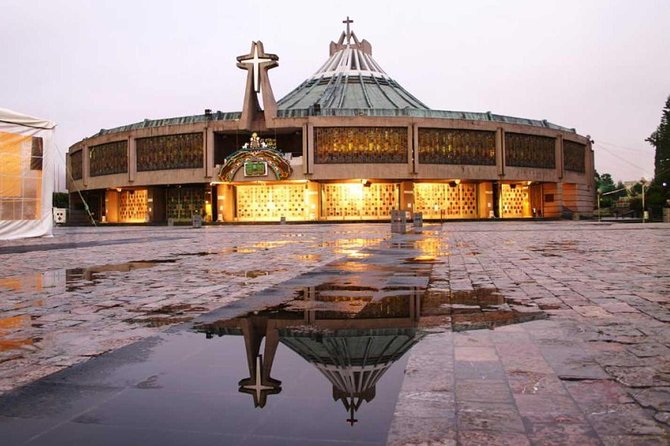
The New Basilica, completed in 1976, is the visual and practical counterpoint to the old church. Its circular floor plan allows people in different parts of the building to see the Virgin’s image.
This shape was designed for large crowds. The basilica can seat more than 10,000 worshippers, a figure that helps explain the site’s importance. The building is not intimate in the way a small chapel is, but its size reflects the scale of the pilgrimage.
Look up, then look across the main floor. You will see the building functioning as a place of movement and worship, with people streaming toward the image. Some older pilgrims have made a major journey to reach this spot, and that human side of the visit is easy to miss if you focus only on the architecture.
The guide adds value here by explaining what you are seeing rather than simply pointing out the structure. Several guides have been praised for answering questions patiently and giving visitors time for Mass or personal prayer.
Climbing Tepeyac Hill
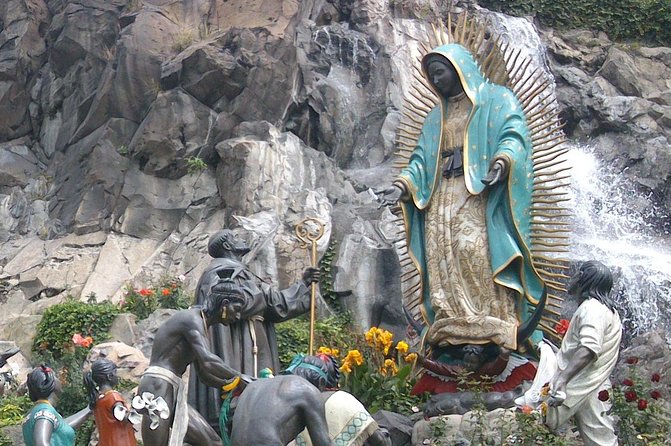
Tepeyac Hill is where the traditional story began. The tour takes you up the hill to the site associated with the apparitions.
The climb involves maintained stairs and requires moderate physical fitness. It is not a technical hike, but it can be tiring, particularly for older visitors or anyone with limited mobility. The route offers views over the grounds and adds a physical sense of place to the story.
This part of the tour is worth keeping in the schedule. It is easy to see the basilicas and leave without understanding why the hill matters. Walking up to the chapel connects the modern pilgrimage complex with the original setting.
If you are traveling with someone who uses a wheelchair, discuss the route with the guide at the start. Guides have helped visitors find easier paths and assisted people using wheelchairs, but the hill itself may present challenges. Do not assume every part of the route will be equally accessible.
The museum’s 17th-century religious art
Behind the Old Basilica, the museum contains about 4,000 pieces of religious art from the 17th century. This stop gives the visit added historical depth.
The museum is useful because it places the shrine within the wider world of colonial religious art. Paintings and devotional objects show how faith was taught, pictured, and practiced in earlier Mexico.
You may find the museum especially worthwhile if you enjoy art or want more than the central apparition story. It also offers a break from the open plazas and large churches. The catch is time. With a 3 p.m. start, you may have to move quickly if the buildings close at 5 p.m.
One person who took the tour specifically wished for an earlier departure so there would be time for the museum, chapels, and other churches. That is sensible advice. The tour can cover the main sights, but it may not allow a leisurely museum visit.
Free time for Mass, prayer, or wandering
Near the end, you have free time to attend Mass, pray, take photographs where permitted, or walk around the grounds. This flexibility is one of the best features of the outing.
Many organized tours push visitors from one stop to another. Here, the final free period can make the experience feel more personal. One guide, Ligia, was praised for waiting while a couple attended services. Other guides have adjusted the pace for visitors with different interests.
If you are making a pilgrimage, this time matters. You can attend Mass rather than simply observe the building. If you are visiting for cultural reasons, you can use the time to look at the architecture, gardens, plazas, and smaller religious buildings.
Do keep an eye on the clock. The schedule is not unlimited, especially with the afternoon departure. If you want a long service, extended prayer, or a careful museum visit, ask the guide early so you can understand what the transport schedule allows.
What the $51 price really buys you
At $51 per person, this is not the cheapest way to reach the shrine. The main basilica admission is free, and you can visit the complex independently.
The price makes more sense if you value transport and explanation. You get round-trip transportation, an English-speaking professional guide, and a planned route through a site that includes multiple churches and a museum. You also avoid the work of figuring out which buildings matter and how they connect.
The strongest value appears when the group is small or the guide is excellent. Some tours have operated with only one couple or even one participant, turning the outing into something close to a private visit. In those cases, guides have answered questions in detail and adjusted the pace.
The value drops if the vehicle is late, the guide’s English is weak, or the group arrives after important buildings have closed. One serious complaint described a delay of nearly two hours, missed sites, and a guide who could not answer basic questions. That appears to be an exception rather than the usual experience, but it is a real risk to consider.
Group discounts may be available, and the maximum group size is 20. Hotel pickup requires the private option, so compare the added cost if door-to-door service is important to you.
Timing, fitness, and practical planning
The tour lasts about four hours, though one outing returned around 6:30 p.m. after a 3 p.m. departure. The itinerary is usually described as roughly two hours at the shrine, plus transport and free time.
Wear comfortable shoes. The complex includes walking between buildings and stairs up Tepeyac Hill. You should have a moderate level of physical fitness, and anyone with mobility concerns should speak with the guide at the beginning.
Bring water and plan to eat beforehand or afterward. Food and drinks are not included. The tour ends back at the original meeting point, not at your hotel unless a private pickup arrangement applies.
English is offered, but guide quality can vary. Most praised guides have spoken English clearly and warmly. One poor experience involved a guide who did not speak English, so it is wise to confirm the language at booking and again at the meeting point if anything seems unclear.
Free cancellation is available up to 24 hours before the start time for a full refund. Changes or cancellations made less than 24 hours before the start are not accepted for a refund. Since the meeting point can be confusing, arrive early rather than risk missing the departure.
Who should book this Guadalupe tour?
I would recommend it to a first-time Mexico City visitor who wants an organized introduction to the shrine and does not want to arrange transport alone. It is also a good fit for Catholic visitors who want time for Mass or prayer, provided they tell the guide what they hope to do.
It suits culturally curious visitors, too. One person who identified as atheist still found the architecture and history worthwhile. The shrine can be appreciated as a religious center, an art site, a place of pilgrimage, and a window into Mexican identity.
Families may like the simple transport and guided structure. Guides have been especially helpful with parents and wheelchair users, though the hill deserves careful planning.
I would hesitate if your schedule is tight or if you want a slow, detailed look at every chapel and museum room. The 3 p.m. departure can make the visit hurried. Independent visitors with plenty of time may prefer to go earlier and explore at their own pace.
Should you book it?
Book this tour if you want the story explained, prefer round-trip transport, and value help at a large, complicated religious site. The best guides, including Ligia, Miriam, Jocelyn, Gabriel, Herson, and others, have made the visit personal, flexible, and meaningful.
Before paying, confirm the English-language service, meeting point, departure time, and whether hotel pickup is included in your chosen option. If you can choose a private or earlier departure, that may give you more breathing room.
At $51, the tour is a fair convenience buy rather than a bargain admission ticket. Its success depends on punctual transport and the guide assigned. With a strong guide and an on-time start, it offers an efficient, thoughtful visit to one of Mexico City’s most important sites.
FAQ
How much does the Guadalupe Shrine Tour cost?
The tour costs $51 per person. Group discounts may be available.
How long does the tour last?
The experience lasts approximately four hours, including transportation from central Mexico City and the visit to the shrine.
Where does the tour begin?
The standard meeting point is Hostal Amigo, at Isabel La Católica 61-A in Mexico City’s Centro Histórico.
What time does the tour start?
The listed start time is 3 p.m.
Is hotel pickup available?
Hotel pickup is available only if you select the private tour option. You must provide your hotel name to arrange it.
What does the tour include?
The tour includes a professional guide and round-trip transportation. Food and drinks are not included.
Is the tour offered in English?
Yes. English is the listed language for the experience.
Does the tour visit both basilicas?
Yes. The route includes the Old Basilica, built in 1709, and the New Basilica, completed in 1976.
Can I cancel for a full refund?
Yes, if you cancel at least 24 hours before the experience start time. Cancellations made less than 24 hours before the start are not refundable.
Just added around Mexico City
- Neon Bike Party – Private Bike Tour★ 4.5 · 34 reviews
- Private Tour with Archaeologist and VR Experience at Teotihuacan★ 5.0 · 34 reviews
- Mexico City: Full-Day Taxco and Cuernavaca Tour★ 4.1 · 34 reviews
- Food and Historic Walking Tour: Private Tortilla Crawl in Mexico City Downtown★ 5.0 · 35 reviews
- Guided tour EN Teotihuacan – Breakfast EN cave-round transport★ 5.0 · 35 reviews
- Xochimilco, Coyoacan and Frida Kahlo Museum Tour★ 3.5 · 35 reviews
- Xochimilco: amanecer en kayak Ciudad de México★ 5.0 · 35 reviews
- Full-Day Private Tour of Mexico City: Teotihuacan and Xochimilco★ 5.0 · 35 reviews
Basilica of Guadalupe Tours, compared.
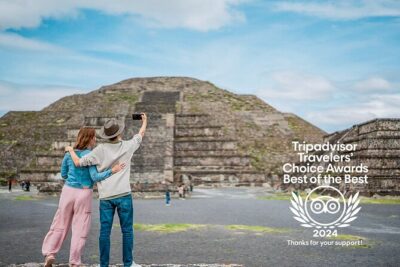
Teotihuacan, Guadalupe Shrine & Tlatelolco Day Tour with Lunch
Read our review →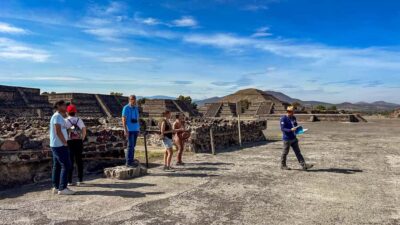
Teotihuacan, Tlatelolco & Guadalupe Shrine Tour
Read our review →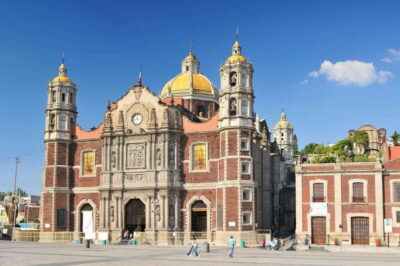
Teotihuacan, Tlatelolco & Basilica of Guadalupe
Read our review →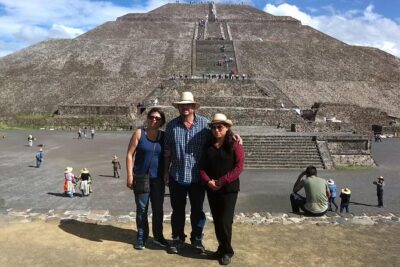
Private Tour: Teotihuacan and Guadalupe Shrine
Read our review →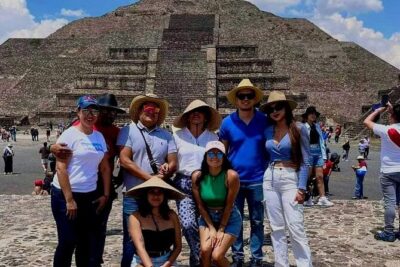
Teotihuacan Tour with Basilica of Guadalupe & Tlatelolco
Read our review →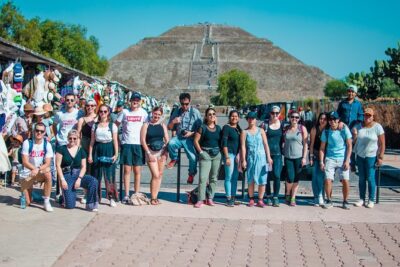
Pyramids of Teotihuacan, Guadalupe Shrine & Tlatelolco Tour
Read our review →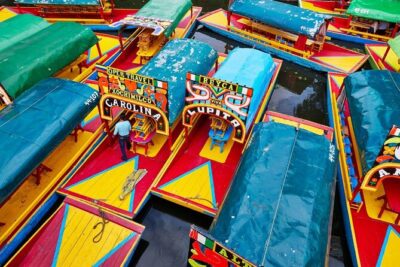
Teotihuacan & Guadalupe Shrine + Xochimilco, Coyoacán & Frida Kahlo Combo Tour
Read our review →
Balloon Flight with Teotihuacan & Guadalupe Shrine Full day Tour
Read our review →Browse the lists this tour appears in