
Reviewed · WORKSHOPS
Cozumel: Chocolate Workshop at The Mayan Cacao Company
Chocolate makes ancient history taste better. This 1.5-hour workshop at The Mayan Cacao Company combines a look at Mayan cacao traditions with hands-on food making, and I especially like the chance to grind cacao on a traditional pre-Hispanic metate. I also like that you leave with a chocolate bar you made yourself, not just another souvenir bought in a shop.
The tasting adds real value to the $40 price, with 13 artisanal chocolates to try after the workshop. Guides such as Paty, Roberto, Eduardo, and Leti have earned praise for making the cultural material lively and answering questions with care, which matters when a short tour could otherwise feel like a sales pitch.
The main drawback is practical: the workshop is not wheelchair accessible and is not suitable for people with chocolate or nut allergies. You also need to make your own way to the Mayan Cacao Company, so allow extra time if you are fitting this between other Cozumel plans.
In This Review
- Key points to know before you book
- Why this Cozumel chocolate workshop works
- Arriving at The Mayan Cacao Company
- The Mayan meaning of cacao
- Grinding cacao on the metate
- The 13-chocolate tasting
- Is $40 a fair price?
- Who will enjoy this most?
- Timing, language, and booking flexibility
- What the guide quality adds
- Final verdict: should you book it?
- FAQ
- How long does the chocolate workshop last?
- Where does the workshop meet?
- How early should I arrive?
- What languages are available?
- Is transportation included?
- What is included in the $40 price?
- Can I cancel for a full refund?
- Is the activity suitable for people with allergies or wheelchair users?
Key points to know before you book
- Grind cacao on a traditional metate: You take part in the old-style preparation instead of only watching a demonstration.
- Make a handmade chocolate bar: The cacao seeds and simple ingredients become a personal edible souvenir.
- Taste 13 artisanal chocolates: The boutique tasting gives you a broad sample of the company’s chocolate range.
- Learn about Mayan cacao culture: The lesson covers cacao as a sacred food, prestige item, social centerpiece, and part of religious ceremonies.
- Plan for a 90-minute visit: The short format works well beside other Cozumel activities, but there is little room for a late arrival.
- Expect a guide-led, interactive class: English and Spanish are offered, with guides including Paty, Roberto, Eduardo, and Leti praised for their friendly teaching.
Why this Cozumel chocolate workshop works
Cozumel offers plenty of sun, water, and organized excursions. This workshop gives you something different: a small taste of Mexican food culture with enough context to make the chocolate feel meaningful.
The lesson begins with cacao’s place in pre-modern Mayan society. You learn that it was not treated simply as a sweet snack. Cacao could be a sacred food, a marker of status, a social focus, and an offering connected with religious life. That background gives the hands-on portion a useful purpose. You are not merely making candy. You are handling an ingredient that carried social and spiritual importance.
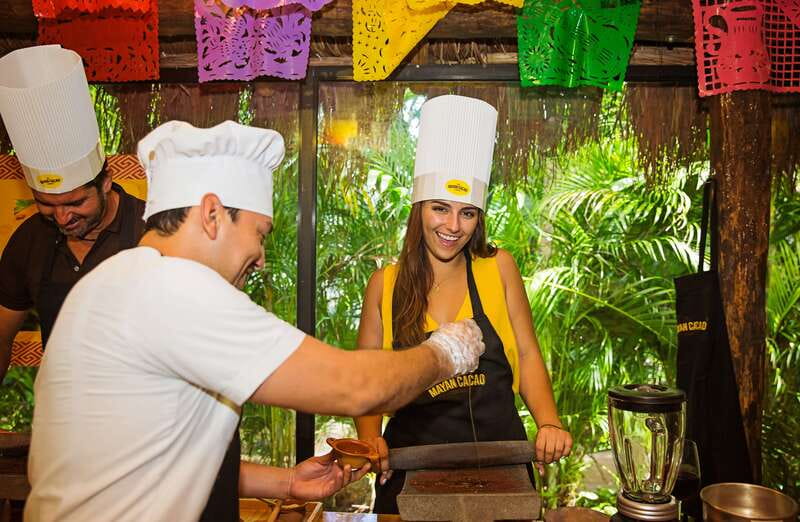
I like the balance between explanation and activity. A talk about ancient food customs can become dry if you are only standing and listening. Here, the metate, cacao seeds, and mixing process give your hands something to do while the guide explains what made cacao important.
The guides are a major part of the experience. Paty is repeatedly praised for her warmth, patience, and clear explanations. Roberto has been described as enthusiastic and generous with his time, particularly when a small group had extra questions. Eduardo received praise for explaining the process well, and Leti was credited with making the history accessible to children aged nine and eleven.
That does not mean every session will feel exactly the same. Guide personality and group size can affect the pace. Still, the feedback points to a consistent strength: the teaching is designed to be friendly and interactive rather than formal.
A few more reviews worth comparing before you book
- Chocolate & Margarita Workshop
★ 5.0 · 207 reviews - Chocolate Workshop
★ 5.0 · 92 reviews - Chocolate Seaside Workshop & Wine Tasting
★ 5.0 · 76 reviews
Arriving at The Mayan Cacao Company
You meet at The Mayan Cacao Company itself. Hotel pickup and drop-off are not included, so you need to arrange your own transportation and arrive 15 minutes before the scheduled start.
That early arrival is worth taking seriously. The total visit lasts only 1.5 hours, and the workshop has several parts: cultural introduction, preparation, chocolate making, tasting, and time in the boutique. Arriving late could mean missing the opening explanation or joining the group after the process has already begun.
Bring comfortable clothes. Chocolate making is a hands-on activity, and you will be working with cacao and ingredients rather than sitting through a lecture. Cash is also recommended, useful if you want to buy something from the boutique after the tasting.
The setting itself has received positive attention, with one participant praising the surroundings as part of the experience. The supplied information does not describe every facility or transport option, so you should not assume that a particular shuttle, meal, or hotel transfer is included.
The Mayan meaning of cacao
The first teaching section places cacao within Mayan life. This is the part that gives the workshop its cultural value.
You hear about cacao as a sacred food and a sign of prestige. It also served as a social centerpiece and a cultural touchstone. The lesson connects the bean with rituals and ceremonies honoring Mayan gods, showing why the ingredient was more important than its modern role as a dessert flavor.
I appreciate that the workshop does not reduce the subject to a simple ancient-versus-modern story. The supplied description focuses on several roles cacao played, from religious use to social status. That gives you a wider picture of the ingredient and helps explain why the traditional process deserves attention.
The best guides appear to bring this material to life through questions and conversation. Roberto was praised for creating an audience-focused program with plenty of interaction. Paty was singled out for taking time with questions, even when a small group led the discussion in unexpected directions.
If you are expecting a full archaeological tour, adjust your expectations. This is a chocolate workshop first. The Mayan cultural material is an important part of the visit, but the experience is not presented as a detailed museum lecture or a tour of major archaeological ruins.
Grinding cacao on the metate
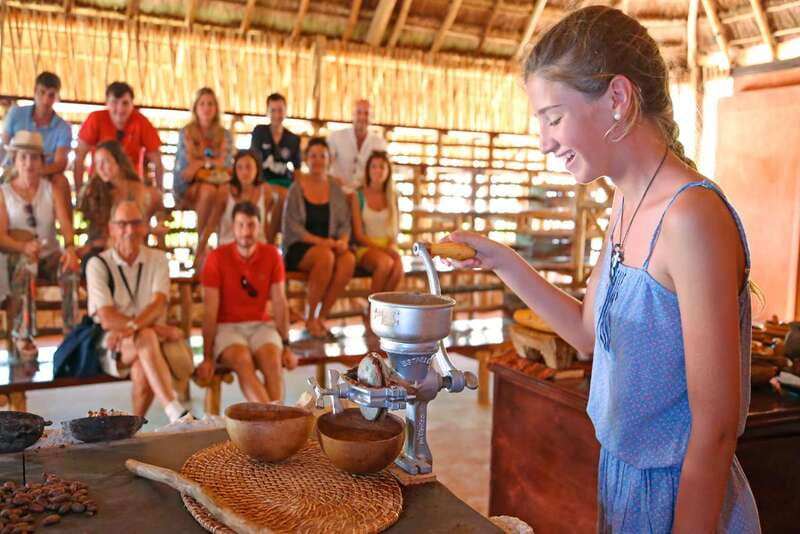
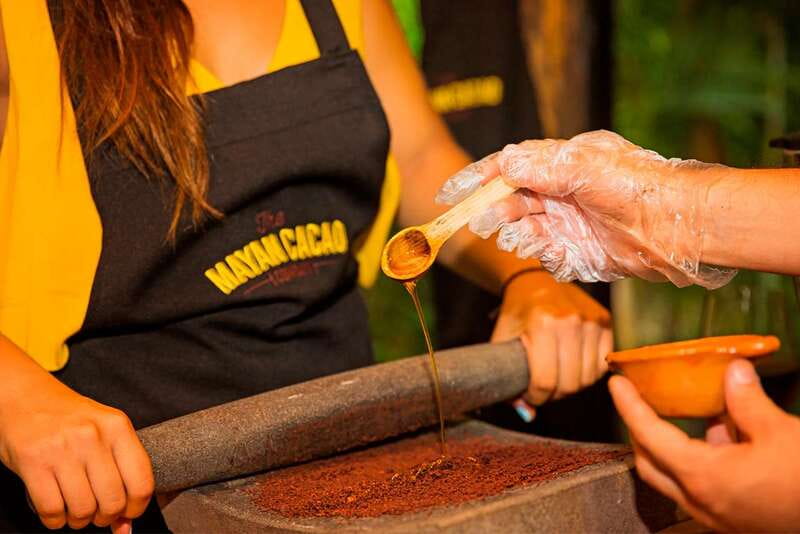
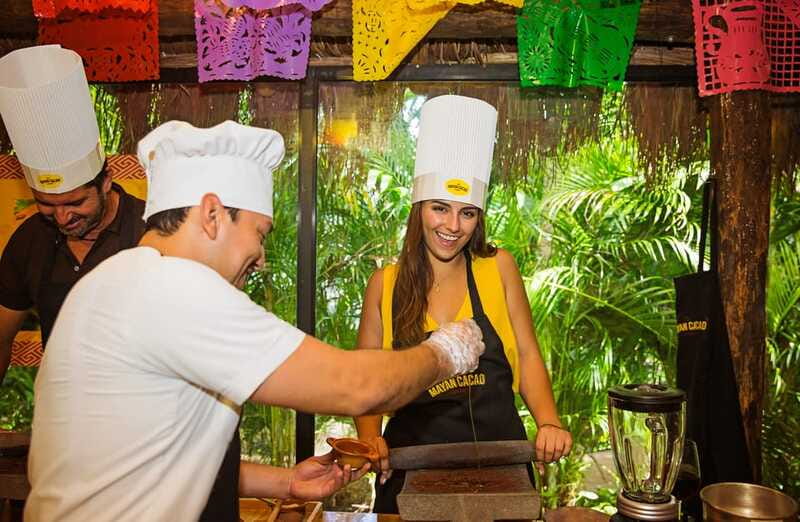
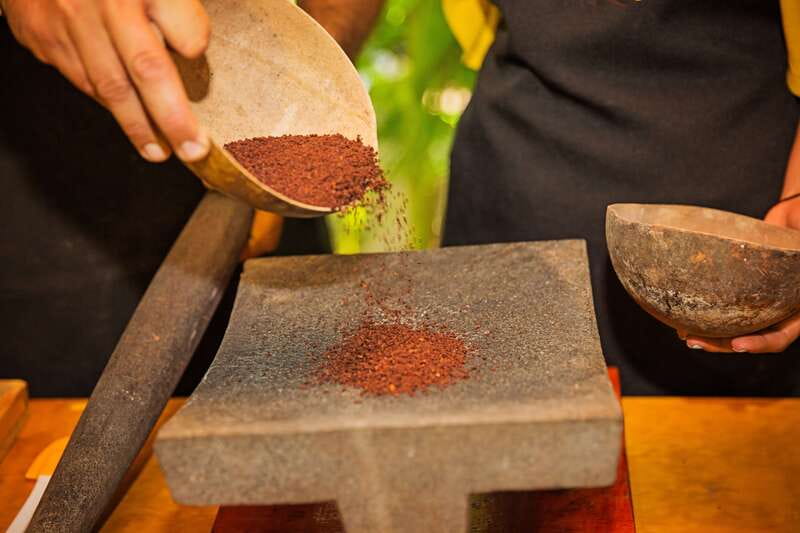
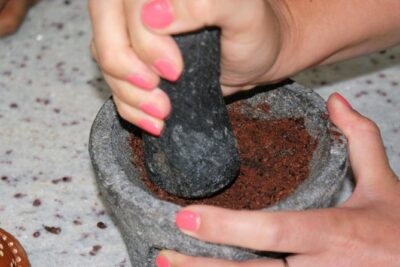
The hands-on section is the heart of the visit. You work with cacao seeds and use a traditional pre-Hispanic metate, a stone grinding tool, to begin making your chocolate.
This is a simple activity, but it changes the feel of the workshop. Instead of hearing that chocolate was once made by hand, you get a physical sense of the effort involved. Grinding takes participation, and some people may need help. Paty was praised for assisting with the grinding, so you should feel comfortable asking your guide for support.
The process uses simple ingredients. The supplied information does not list every ingredient or give a full recipe, so do not arrive expecting a detailed formula to recreate at home. The value is in seeing and trying the traditional method, then shaping the result into something you can take with you.
The activity works especially well for families. One parent described how a child was able to take part and felt proud of the chocolate made during the workshop. Another parent said making chocolate from natural ingredients was the highlight for two young daughters. The lesson is not only for children, though. Adults who enjoy food traditions and practical cultural activities should find enough substance here.
Expect the finished bar to be handmade rather than factory-perfect. That is the point. Your chocolate is a small record of the work you did during the session, and it makes a better souvenir than a standard packaged item if you enjoy taking home something personal.
A different sort of day out around Cozumel:
- Mr. Sanchos Beach Club All-Inclusive Day Pass
★ 4.5 · 6,744 reviews - Cozumel: Paradise Beach Club All-Inclusive Day Pass
★ 4.5 · 3,311 reviews - ATV 4×4+Snorkeling+Beach Club+ Lunch+Sabores de Cozumel
★ 5.0 · 1,468 reviews - Cozumel Snorkeling Tour: Palancar, Columbia and El Cielo Reefs
★ 4.5 · 1,462 reviews
The 13-chocolate tasting
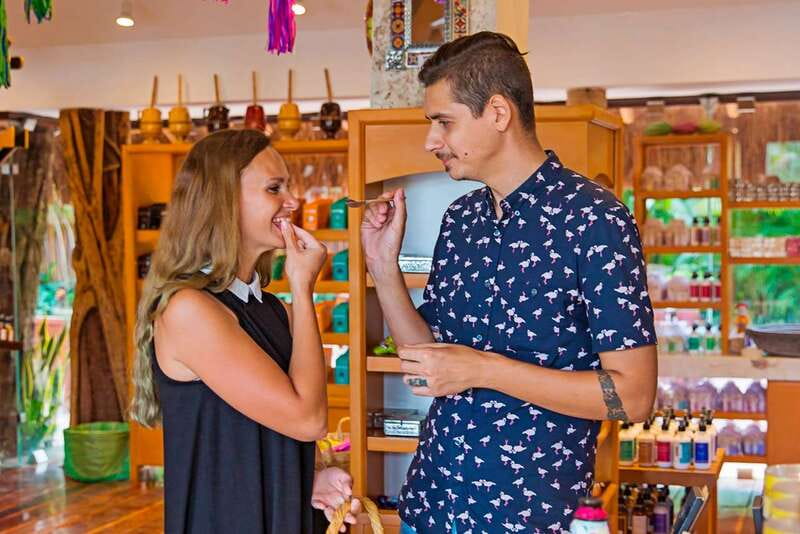
After making your bar, you visit the chocolate boutique and taste 13 different artisanal chocolates. This is a generous number for a short workshop and one of the clearest reasons the $40 fee can make sense.
The tasting lets you compare different chocolate styles and flavors, although the provided information does not specify the exact varieties. You can treat it as a guided introduction to the company’s selection rather than assume every sample will match your taste.
A tasting of this size also helps you decide if you want to buy something from the boutique. Take your time with the flavors, then use the cash you brought if you find a favorite. Food and drinks beyond the included tasting are not part of the activity, so a separate purchase may be needed if you want more than the scheduled samples.
One useful detail from the feedback is the suggestion to try the chocolate smoothie. It was specifically recommended by a parent who also enjoyed the workshop with a child. The smoothie is not listed as part of the included package, so consider it an optional extra, not a promised feature of the $40 booking.
The boutique portion may feel less appealing if you dislike shopping after tours. Still, the tasting gives it a clear purpose. You can sample before deciding, rather than choosing blindly from a shelf.
Is $40 a fair price?
At $40 per person, this is not the cheapest way to spend 90 minutes in Cozumel. Its value depends on what you want from an activity.
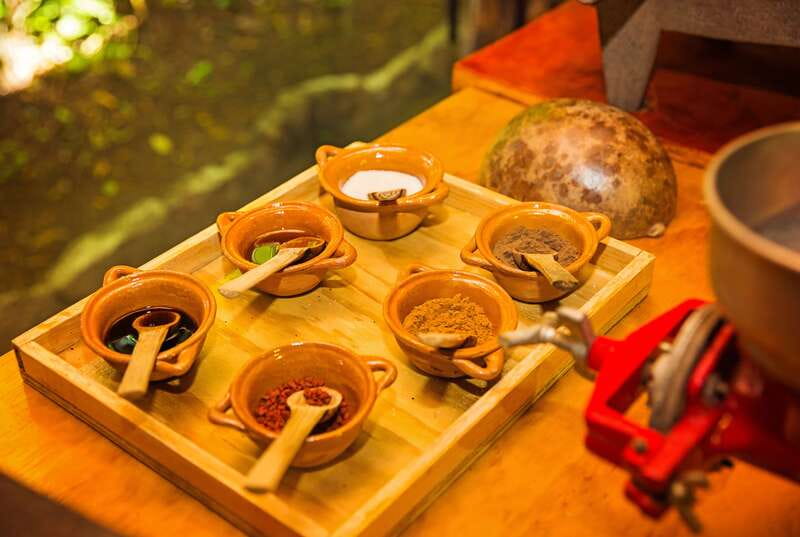
If you only want to eat chocolate, the price may feel high. You are paying for more than samples: admission to The Mayan Cacao Company, instruction about Mayan cacao culture, the use of tools and ingredients, your handmade bar, and the 13-chocolate tasting.
I consider the price reasonable for someone who values participation. The metate activity gives you something you cannot get from a regular boutique visit, while the cultural explanation adds context to the food. The tasting also means the visit has a clear finish rather than ending as soon as your bar is made.
Families should calculate the cost carefully, especially with several people paying the full amount. The positive feedback from parents suggests the activity can hold children’s attention, but food allergies, mobility needs, and the lack of included transportation are important factors.
The visit is also easier to justify if you are already planning time near the company. If transportation requires a separate paid ride, include that in your budget. The workshop price covers the listed activity, not your journey to the meeting point or any extra food and drinks.
Who will enjoy this most?
I would recommend this workshop to:
- Families looking for a short, hands-on activity
- Couples who enjoy food and cultural lessons
- Cruise visitors or day visitors with a free 90-minute block
- Anyone curious about cacao before modern chocolate production
- People who prefer making something over watching a long performance
- English or Spanish speakers who want a guide-led experience
Children seem to benefit from the practical side. Leti reportedly kept nine and eleven-year-old participants engaged, while another family found that a younger child could make a bar and feel proud of the result.
Adults should not dismiss it as a children’s class. The Mayan role of cacao, the use of the metate, and the tasting give the session enough interest for grown-ups. The strongest guide feedback comes from people who valued the explanations and the chance to ask detailed questions.
I would skip it if you have a chocolate or nut allergy. The activity is specifically not recommended for people with food allergies, and it is not a good place to test your luck with ingredients you cannot safely eat.
You should also think carefully about mobility. The workshop is not wheelchair accessible. The information does not give further details about walking surfaces, seating, or assistance, so contact the provider before booking if you have mobility concerns.
Timing, language, and booking flexibility
The workshop lasts 1.5 hours, with starting times dependent on availability. English and Spanish instruction is offered.
Because the meeting point is at The Mayan Cacao Company, you should plan the visit around your own transportation. Arrive 15 minutes early, particularly if you are coordinating the workshop with other plans in Cozumel.
The booking terms are useful if your schedule may change. You can cancel up to 24 hours before the activity for a full refund, and the reserve-now, pay-later option lets you hold a place without paying at the time of booking.
Those policies do not remove the need to plan carefully. A late arrival, a transportation delay, or a tight connection could reduce the amount of time you have for the workshop. Give yourself a buffer rather than scheduling another activity immediately afterward.
What the guide quality adds
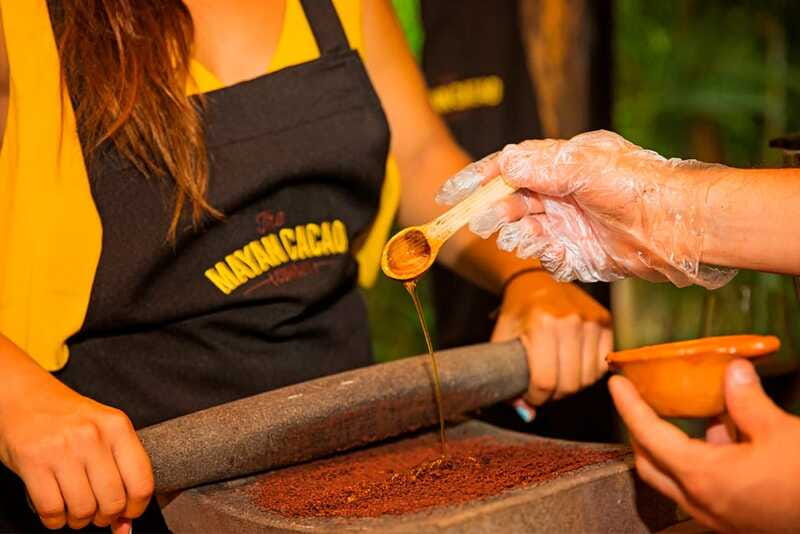
The most highly praised part of this experience is the instruction. That is worth emphasizing because a chocolate-making activity can be either memorable or forgettable depending on the person leading it.
Paty is repeatedly described as friendly, enthusiastic, and helpful. She appears especially good at adjusting to the group, including taking extra time when only two people attended. Roberto received similar praise for his enthusiasm and for responding thoughtfully to questions and side conversations.
Eduardo was noted for explaining the process clearly and kindly, while Leti made the historical material fun for children. One participant jokingly called a guide the Mexican Willy Wonka, which gives you a sense of the playful tone some sessions can have.
You cannot choose your guide from the information provided, so do not book solely around one person. But the repeated praise for several instructors suggests that the quality is not tied to one isolated performance.
Final verdict: should you book it?
Book this workshop if you want a short cultural activity with real participation, especially if you like food, have children with you, or want a break from beach and water activities. The strongest reasons are the metate grinding, the handmade chocolate bar, the 13-sample tasting, and guides who make the Mayan material easy to follow.
Skip it if you have food allergies, need wheelchair access, or want a major archaeological experience rather than a food-focused introduction. Also account for your own transportation and any extra boutique purchases.
For most suitable visitors, $40 is a fair price for 90 minutes of instruction, making, tasting, and admission. The chocolate bar is the souvenir, but the better takeaway is understanding why cacao mattered long before it became a familiar sweet.
FAQ
How long does the chocolate workshop last?
The activity lasts 1.5 hours.
Where does the workshop meet?
The meeting point is at The Mayan Cacao Company in Quintana Roo, Mexico.
How early should I arrive?
You should arrive 15 minutes before the activity starts.
What languages are available?
The workshop is offered in English and Spanish.
Is transportation included?
No. Hotel pickup and drop-off are not included, so you need to arrange your own transportation to The Mayan Cacao Company.
What is included in the $40 price?
The price includes entrance to The Mayan Cacao Company, the chocolate tasting, and the ingredients and tools needed to make your chocolate bar.
Can I cancel for a full refund?
Yes. You can cancel up to 24 hours in advance for a full refund. You can also reserve now and pay later.
Is the activity suitable for people with allergies or wheelchair users?
The workshop is not recommended for people with chocolate or nut allergies, and it is not wheelchair accessible.
Just added around Cozumel
- Cozumel: Mayan Ruins Guided Tour with Snorkeling & Lunch★ 3.9 · 35 reviews
- Magnificent Exploration to El Cielo Palancar and Columbia Reefs★ 3.5 · 35 reviews
- RZR Jungle Off Road to Jade Cavern & Chula’s Beach Club★ 4.5 · 35 reviews
- Super Cozumel Combo Snorkel by Boat and Jeep Exploration (Private)★ 4.5 · 36 reviews
- The Original Cozumel Zipline Adventure★ 4.5 · 36 reviews
- Best Cozumel Beach Day Pass + Food + Drinks San Francisco Beach★ 4.0 · 37 reviews
- Playa Uvas Open Bar Exclusive Pass★ 4.5 · 37 reviews
- Power Snorkel by Sea Scooter & Flavored Tequila tasting★ 5.0 · 38 reviews
Workshops, compared.
Cabo San Lucas Mexican Cooking Class Experience and Local Markets
Read our review →
Puerto Vallarta Cooking Class Experience with Market Tour
Read our review →
La Paz World Class Snorkeling in Balandras Hidden Beaches
Read our review →
Mexican Cooking Class with Food Market Visit in Mexico City
Read our review →
Bean to Bar Chocolate Workshop in Puerto Vallarta
Read our review →
Browse the lists this tour appears in