
Reviewed · MEXICO
Boating along the coastline of San Carlos with a Marine Biologist
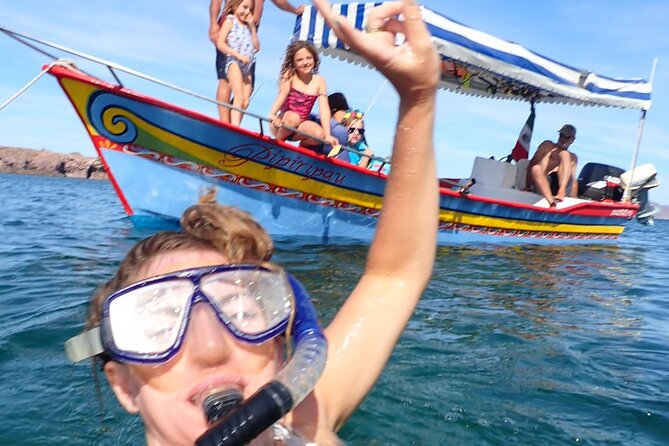
Dolphins are only part of the story. This three-hour boat trip explores the mangroves, islands, seabird colonies, calm coves, and clear waters around San Carlos with marine biologist Michael. I like the small maximum of eight people, which keeps the outing personal, and I like that the guide brings binoculars, sea-life books, and a real interest in explaining what you are seeing. The fresh ceviche and snorkeling stop add plenty of fun.
The main drawback is that wildlife is never guaranteed. Dolphin sightings depend on nature, and the bay can lose some of its color on a cloudy day. If you get seasick easily, take the recommended medication, such as Difenidol, one hour before departure.
In This Review
- Key points to know before booking
- Why this San Carlos boat trip is different
- Starting in Esterito and Bahía San Carlos
- Roca San Nicolimaás and its seabird colony
- Isla La Raza and the flat nesting ground
- Searching for dolphins in Bahía San Francisco
- Ceviche and calm water at Playa San Francisco
- The value of a $80 small-group outing
- Who will enjoy this most
- Weather, cancellation, and practical planning
- Should you book the San Carlos marine biology boat tour?
- FAQ
- How long does the boat tour last?
- What time does the tour start?
- Where does the tour begin?
- Where does the tour end?
- How many people can join the tour?
- Is the tour offered in English?
- Are binoculars provided?
- Is snorkeling included?
- Is food included?
- What happens if the weather is poor?
- Can I cancel for a full refund?
Key points to know before booking
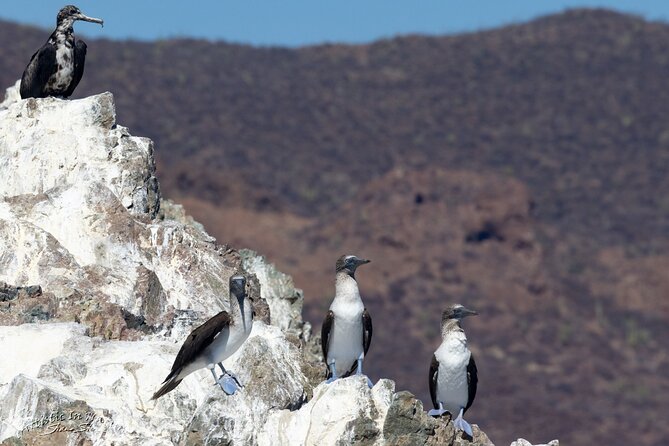
- Blue-footed boobies near Roca San Nicolimaás: Binoculars are provided for viewing seabirds on a guano-covered rocky island.
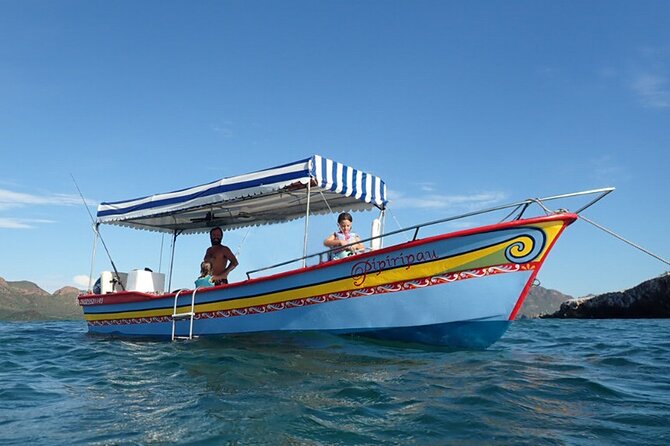
- A small group of eight or fewer: The limited size gives Michael room to adjust the pace and answer questions.
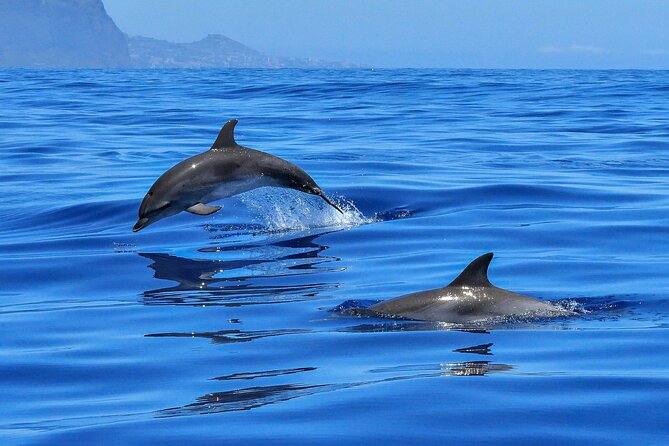
- Dolphin watching in Bahía San Francisco: Bottlenose dolphins often ride the bow and may be seen hunting mullet.
- Snorkeling near Isla La Jama: Calm, protected water offers a chance to see reef fish and other marine life.
- Fresh ceviche on the water: The meal is prepared by Michael and served with refreshments during the one-hour rest stop.
- A bilingual, science-focused outing: Michael communicates in English and Spanish and explains local birds, fish, geology, and coastal ecology.
Why this San Carlos boat trip is different
Many coastal boat rides are mainly about scenery. This one gives you a way to understand what you are looking at. The bay, mangrove estuary, islands, birds, dolphins, and reefs are connected parts of one marine system, and Michael explains those links as the boat moves along.
Michael is a college professor of marine biology and has a broad interest in the area. He also explains geology, local plants, and the natural setting around the Sea of Cortez. His style appears to be relaxed rather than formal. If he does not know an answer, he is willing to say so, which is a useful quality on a wildlife outing.
The experience runs in English, and Michael also speaks Spanish. Spanish speakers can use the trip as a relaxed chance to practice conversation. The small boat and group limit make it easier to ask questions than on a large sightseeing cruise.
The meeting point is Educational Adventure Tours of San Carlos in La Choya, San Carlos. Departure is at 12:30 p.m., and you return to the same place. The total time is about three hours, though the schedule can shift with weather, wildlife, and the needs of the group.
Other Mexico trips people book alongside this one:
- Chichen Itza, Cenote, and Valladolid Tour
★ 5.0 · 24,293 reviews - Chichen Itza, Cenote & Valladolid Tour with Tequila and Lunch
★ 4.5 · 15,789 reviews - Teotihuacan, Guadalupe Shrine & Tlatelolco Day Tour with Lunch
★ 5.0 · 11,603 reviews
Starting in Esterito and Bahía San Carlos
The boat begins in Esterito, a mangrove estuary at the northern end of Bahía San Carlos. This is a good opening because the water here feels different from the open bay. Mangroves grow along the edges, including red mangrove, Rhizophora mangle, with roots that create shelter for small marine life.
Birds feed among the mangroves, so this first section is a fine place to get your binoculars ready. You might see several types of marine birds using the shallow water and tangled roots. The listed time for this first portion is only about 10 minutes, so do not expect a long stop. Think of it as a slow introduction before the boat crosses wider water.
As you motor across the bay, Michael points out coastal places such as Caracol, El Tomate, and El Acuario. These beaches are more secluded than the main shore areas, and seeing them from the water gives you a better sense of how the coast is arranged.
The turquoise water is part of the appeal, but conditions matter. One afternoon can bring strong color and clear views, while another may be less bright if the sun is hidden. That is one reason to value the natural-history explanation, not just the photographs.
Roca San Nicolimaás and its seabird colony
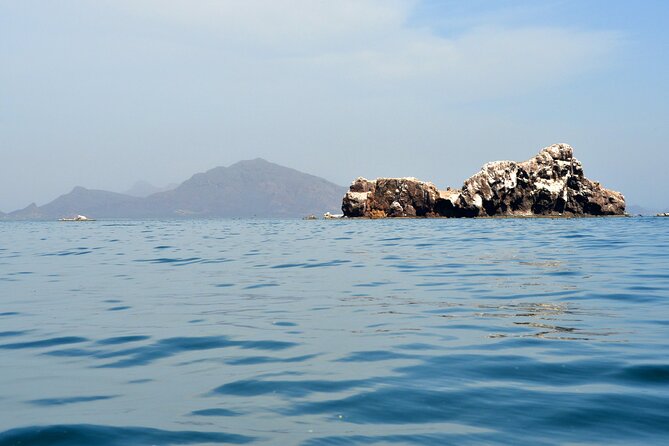
The boat then approaches Roca San Nicolimaás, a rocky island with a large bird population. The island is covered in white guano, a clear sign of the number of marine birds that use it and the fish available in the surrounding water.
This is where the provided binoculars become especially useful. The blue-footed booby, Sula nebouxii, nests on the island, and spotting one is a memorable reason to bring this trip into your San Carlos plans. You are not simply looking at a bare rock. You are watching a working bird colony shaped by food, nesting space, and the island’s position in the Sea of Cortez.
The visit lasts about 20 minutes. You will probably remain on the boat rather than walk ashore, so the experience is best for watching and learning. If you want to photograph birds, bring realistic expectations. The boat may not be close enough for a phone to capture every detail, but the binoculars should help you see more than you would with the naked eye.
Isla La Raza and the flat nesting ground
Isla La Raza offers a useful contrast to the previous island. Instead of being a typical rocky Sea of Cortez island, it is flat and wide. Brown pelicans nest on its level top, using the broad surface as a suitable place to raise young.
Again, the island is covered in white guano. That detail may sound unglamorous, but it gives you a quick lesson in how productive these waters are. Large seabirds need plentiful fish, and the repeated use of these islands reflects the food supply around them.
This stop also lasts about 20 minutes. The boat’s approach is the main event, with Michael identifying birds and explaining why the shape of the island matters. It is a good section for anyone who enjoys natural details that are easy to miss on a standard coastal cruise.
A different sort of day out around Mexico:
- Cabo Beach Camel Ride, Mexican Buffet and Tequila Tasting
★ 5.0 · 8,815 reviews - Xochimilco, Coyoacan and Frida Kahlo with Optional Lunch
★ 4.5 · 7,320 reviews - Mr. Sanchos Beach Club All-Inclusive Day Pass
★ 4.5 · 6,744 reviews - Cancun: Chichen Itza, Cenote & Valladolid Tour with Lunch
★ 4.6 · 6,722 reviews
Searching for dolphins in Bahía San Francisco
The longest wildlife stop is in Bahía San Francisco, where the goal is to find a local pod of bottlenose dolphins. The boat spends about 45 minutes in this area, allowing time to look for movement and observe behavior rather than simply race past a possible sighting.
The dolphins, Tursiops truncatus, are known to ride the bow of boats. Young dolphins may swim with their mothers, and cooperative hunting can occur as they pursue striped mullet, Mugil cephalus, along the sandy shores. If the pod appears, this can become the emotional high point of the outing.
Wildlife viewing calls for patience. You might see dolphins quickly, or you may spend much of the allotted time searching. Michael has a reputation for working hard to find them, and one particularly memorable tactic involved making a dolphin call after the group had nearly given up. The animals appeared afterward, but you should still treat any sighting as a gift, not a promise.
Bahía San Francisco stretches from San Carlos toward Estero Soldado, with Playa San Francisco along its white sandy coast. The setting is attractive even if the dolphins stay out of sight. On a cloudy afternoon, the water may not look as dramatic, but the natural behavior remains the point of the stop.
Ceviche and calm water at Playa San Francisco
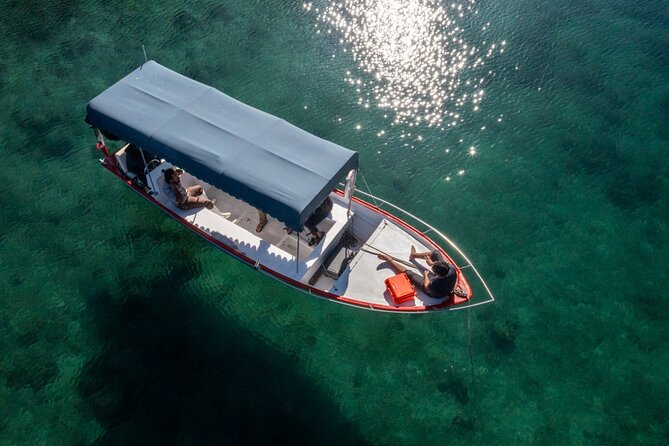
The final hour is set aside for a slower break near the eastern side of Isla La Jama. The boat anchors by Playa San Francisco, also described as Playa Shangri-La in this protected area, and Michael serves freshly made fish ceviche with assorted refreshments.
Food can make a boat outing feel either rushed or generous. Here, the ceviche is part of the schedule, not an afterthought. The break gives you time to eat, talk about the birds and dolphins, and ask questions while the boat sits in calmer water.
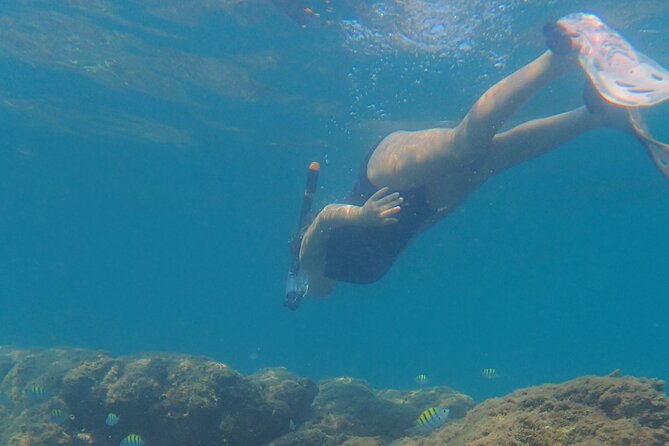
Weather permitting, snorkeling is encouraged in this area. Isla La Jama helps protect the cove from swells, creating a better setting for looking among the reefs. The water is described as calm and clear, with many types of fish and other marine organisms.
Several families singled out the snorkeling as a favorite part of the day, including children who had snorkeled elsewhere. That does not mean the conditions will always be perfect. Visibility, wind, and water temperature can change. Still, the protected position makes this a sensible place to include snorkeling in a short coastal excursion.
If you have never snorkeled before, this stop also gives you a chance to focus on a smaller area rather than trying to cover a huge reef. Experienced snorkelers may appreciate the chance to identify fish and ask Michael what they are seeing.
The value of a $80 small-group outing
At $80 per person, this is not the cheapest way to spend three hours in San Carlos, but the price compares favorably with arranging a private boat and guide on your own. You are paying for a boat outing, a marine biology perspective, binoculars, snorkeling equipment, refreshments, and ceviche, all within a group capped at eight.
The strongest value comes from the guide. A basic boat ride can show you the coastline, but Michael adds context about fish, birds, geology, and coastal habitats. That matters if you want more than a pretty view.
The experience also has a personal feel. Michael has adjusted the schedule to suit group interests, helped people with snorkeling, and provided practical care when someone was stung by a jellyfish, including vinegar. Those details suggest thoughtful preparation, although you should still follow all safety instructions and take responsibility for your own comfort in the water.
The small group is a major advantage for families, couples, and friends who prefer conversation over a loud crowd. It also means the outing may book ahead. It is typically reserved about 13 days in advance, so planning ahead is sensible, especially during busy periods.
Who will enjoy this most
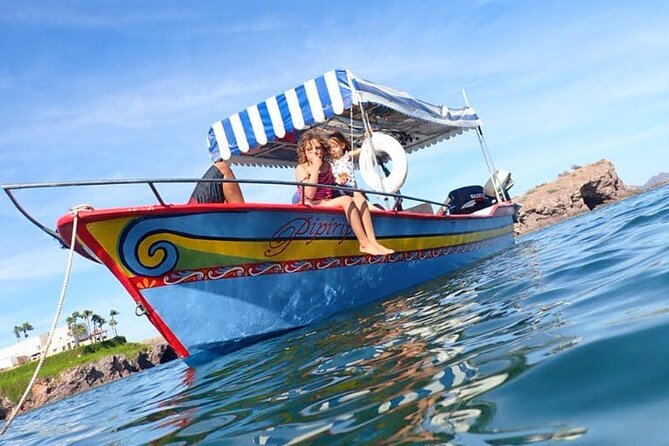
I would choose this tour if you care about wildlife, want a guide who can explain the setting, and enjoy a flexible day on the water. It suits families because the dolphins, snorkeling, and ceviche provide variety. Children may find the bird stops less exciting than the water activities, but the guide’s explanations help connect the two.
It is also a strong choice for couples and friends who want an outing with more substance than a beach stop. Spanish speakers can enjoy a bilingual experience, while English speakers receive the tour in English.
You may want to skip it if you are highly prone to seasickness, dislike changing plans for wildlife, or want a guaranteed dolphin encounter. Take seasickness medicine one hour ahead if needed, and remember that poor weather can cancel or change the trip.
The tour is offered with a mobile ticket, and most people can participate. The information provided does not promise a specific snorkeling equipment list or describe special access arrangements, so contact the provider if you have a particular mobility or equipment concern.
Weather, cancellation, and practical planning
This outing requires good weather. If conditions force a cancellation, you can receive a different date or a full refund. The same applies if the minimum number of people is not reached and the provider cancels.
You can cancel for a full refund up to 24 hours before the 12:30 p.m. start time. Cancellations or changes made within 24 hours are not refunded or accepted. The cut-off uses local time in Mexico.
Bring sun protection and clothing suited to a warm afternoon on the water, though the supplied details do not specify a required packing list. Since snorkeling is weather dependent, treat it as an expected possibility rather than a guaranteed part of every departure.
Should you book the San Carlos marine biology boat tour?
Yes, if you want a compact, personal outing that combines wildlife, local science, snorkeling, and food. The best reasons to book are the eight-person maximum, Michael’s broad knowledge of the coast, the chance to see blue-footed boobies and bottlenose dolphins, and the calm-water stop with homemade ceviche.
I would book it well ahead, especially if your San Carlos schedule is fixed. Go with patience, take seasickness medication if you need it, and judge the trip by the whole coastal experience rather than by one animal sighting. If you want a thoughtful look at the Sea of Cortez instead of a simple boat transfer, this is a strong value at $80.
FAQ
How long does the boat tour last?
The experience lasts approximately three hours.
What time does the tour start?
Departure is at 12:30 p.m.
Where does the tour begin?
The meeting point is Educational Adventure Tours of San Carlos in La Choya, Bahía, San Carlos, Sonora, Mexico.
Where does the tour end?
The activity returns to the original meeting point.
How many people can join the tour?
The maximum group size is eight people.
Is the tour offered in English?
Yes. The tour is offered in English. Michael also speaks Spanish.
Are binoculars provided?
Yes. Binoculars are provided for viewing birds near Roca San Nicolimaás and Isla La Raza.
Is snorkeling included?
Snorkeling is encouraged at the protected area near Isla La Jama when weather permits.
Is food included?
Freshly made ceviche and a variety of refreshments are served during the stop near Playa San Francisco.
What happens if the weather is poor?
If poor weather causes cancellation, you will be offered a different date or a full refund.
Can I cancel for a full refund?
Yes. You must cancel at least 24 hours before the experience start time for a full refund. Cancellations within 24 hours are not refunded.
Just added around Mexico
- Tour to the Tolantongo Caves, starting from Querétaro★ 5.0 · 34 reviews
- Exclusive Tour to Chichen Itza, 2 different Cenotes & Valladolid for 1 price!★ 3.5 · 34 reviews
- Akumal Bay snorkeling, plus 3 cenotes and great food★ 5.0 · 34 reviews
- Oaxaca: Legends Tour Mezcalbús★ 3.9 · 34 reviews
- Private Tour: Teotihuacan and Basilica of Guadalupe★ 4.5 · 34 reviews
- Authentic Mexican Cooking Class in Playa del Carmen★ 5.0 · 34 reviews
- Land’s End Sightseeing Boat Tour in Los Cabos★ 4.5 · 34 reviews
- Round private transfer -Airport – Puerto Morelos -Airport.★ 4.5 · 34 reviews